


NASA Tests Medical AI for Astronauts Far from Earth
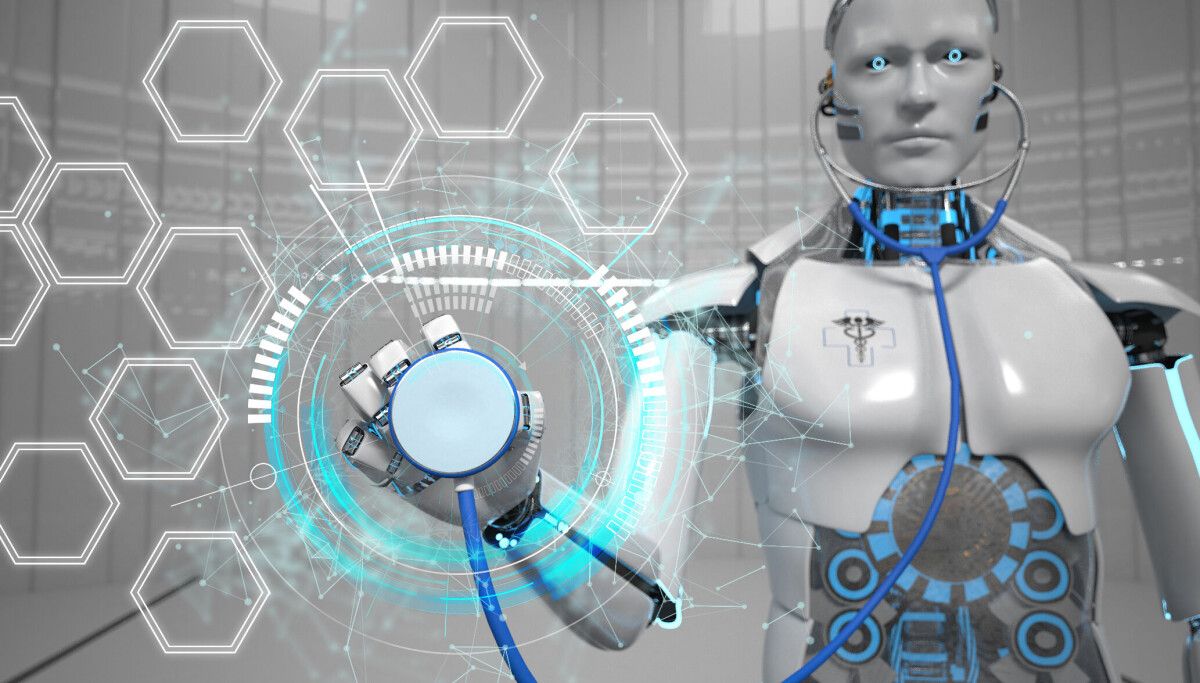
Imagine being millions of kilometers away from Earth, with no way to call a doctor. For astronauts, this could be a reality in future missions. NASA is testing an artificial intelligence-based medical support system to help astronauts diagnose and treat symptoms during long-distance space missions. Called the Crew Medical Officer Digital Assistant (CMO-DA), this system is powered by an open-source tool supported by Red Hat, called RamaLama. While it is not yet a medical hologram like in Star Trek, it could be a significant aid for sick astronauts far from home.
Recently, NASA had to bring the Crew-11 crew back from the International Space Station (ISS) earlier due to a medical concern. However, as missions venture further, such as to the Moon or Mars, an early return may not be practical. Additionally, communication delays may hinder real-time consultations with doctors on Earth.
The Evolution of CMO-DA
The CMO-DA started as an initial concept before evolving from a cloud-dependent model to a fully disconnected deployment. Currently, it operates on a terrestrial twin of the HPE Spaceborne Computer, which is aboard the ISS. The system's inference is multimodal, meaning it can process both textual and visual data without needing massive infrastructure. This is made possible thanks to RamaLama, which provides the engine to run complex language models and vision models for image-based symptom analysis.
The system has not yet left Earth. Testing on the terrestrial twin allows it to be refined before any potential deployment on the ISS. Once validated, the CMO-DA will be demonstrated to NASA leadership for evaluation of its future use. HPE's Spaceborne project is already in its third iteration aboard the ISS. Built with commercially available components, the system is based on HPE Edgeline and Proliant servers, being more than capable of handling machine learning and AI workloads.
The Future of Space Medical Assistance
In the future, the team plans to integrate Red Hat Enterprise Linux AI into the next iteration of CMO-DA. Unfortunately, there are no chances of a virtual Robert Picardo appearing to offer medical advice to astronauts. But the advancement of CMO-DA represents a significant step towards medical autonomy in space missions. The ability to perform diagnostics and treatments without relying on a connection to Earth could be crucial for the success of long-duration missions.
Medical autonomy could be the key to exploring deep space. With CMO-DA, NASA is paving the way for astronauts to handle medical emergencies independently. This not only enhances mission safety but also opens new possibilities for space exploration. What once seemed like science fiction is now becoming a tangible reality.
Comments (0)
Comments are moderated and if they violate our Terms and Conditions of use, the comment will be deleted. Persistence in violation will result in a ban of your account.