

Erling Haaland is a World Cup star, but most of it is AI
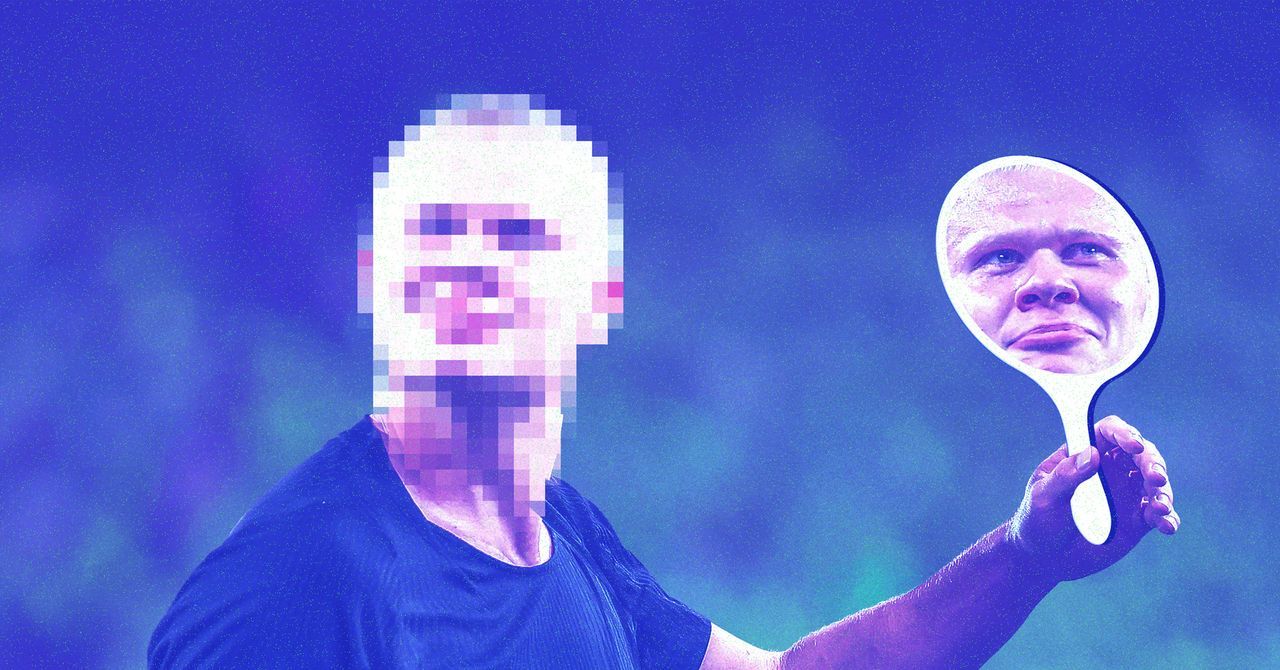
Erling Haaland is no longer just a football player. He has become an internet character, driven by fans and artificial intelligence. During the World Cup, a video went viral showing Haaland in a restaurant, startled by his own reflection. But, surprise: it wasn't him. The video was traced back to a sketch by Chinese comedian Jin Long. Even after the correction, the clip continued to circulate. Because, in the fourth week of the Cup, the internet had already decided who Haaland is. With or without AI, he became a character.
The old model of stardom was to control your image. The new one, as Haaland shows, is to be such a vivid character that AI does the promotional work for you. Celebrity becomes an open-source character, only vaguely linked to the human who lent the face. And the origin of the fake? It came from China, where Haaland is already a sensation. He starred in beverage commercials, tried to speak Mandarin, and became a meme, earning the nickname Habao. With the rise in popularity, he launched accounts on Douyin and Weibo, amassing millions of followers.
When deepfake becomes fan art
The question is: what happens when deepfake becomes fan art? Online sports fandom works like this. Athletes are no longer consumed just for highlights or interviews, but as characters with stories and quirks. They receive the fandom treatment once reserved for fictional characters. A study showed that Generation Z connects more with athletes than with teams. And content on social media is the biggest engine of this engagement. When a player becomes a character, fans stop being spectators and start influencing the content.
The "fanon" — material that the audience invents to fill gaps — is now highly susceptible to AI. It is no longer necessary for the athlete to generate the story; the audience can create it on demand. It is no surprise that Haaland's deepfake was accepted online. The content does not need to be real, just in character. And perhaps the Haaland phenomenon suggests a deviation from the panic around deepfakes. Although many were fooled by the video, a significant portion of the audience chose to share it anyway.
The contradiction that captivates
Haaland would always be a star of this tournament — Norway's first World Cup since 1998, a striker behind the Golden Boot — but it is his displays of personality off the field that have made him the main character. Modern footballers are supposed to be monomaniacal automatons, trained by the media and protected by brands. But Haaland is the opposite. His Snapchat account, with 3.3 million followers, is a lesson in authenticity. He has become a lovable persona on the internet, generating memes, edits, and interactions that treat him more like a recurring character than an athlete.
The joke, most of the time, is the contradiction. On the field, Haaland is a terrifying goal machine. Off it, he posts funny selfies and comedic videos. Kylian Mbappé is another player who became a meme and was "AI-ified" on the internet during the Cup. The "Dictator Mbappé" memes reimagine him as Mao or Kim Jong Un, often with chaotic soundtracks. The hype in football has always worked this way; every transfer rumor depends on fans' willingness to believe. But the old fantasy machine needed raw material of Haaland doing real things. Now, AI allows fans to create new tailored material. The new era depends only on the audience's willingness to keep the story alive.
Comments (0)
Comments are moderated and if they violate our Terms and Conditions of use, the comment will be deleted. Persistence in violation will result in a ban of your account.