



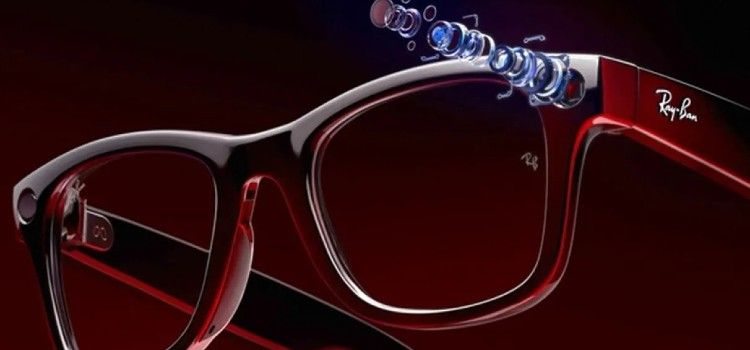
AI Smart Glasses Get Traffic Rules
AI-equipped smart glasses are about to enter the traffic regulations in Brazil. The Commission on Transportation and Traffic of the Chamber of Deputies approved a bill that establishes specific rules for the use of these devices by drivers. The idea is clear: allow use only in a "driving mode," which restricts functions to navigation, driving assistance, or assistive technology. Any use outside these conditions will be considered a serious infraction, with suspension of the driver's license and a fine multiplied by three.
The bill, proposed by Deputy Carlos Zarattini, was modified by an amendment from the rapporteur Gilberto Abramo. The original version completely prohibited the use of glasses while driving, but the new approach seeks a balance between innovation and safety. The main concern is to prevent the driver's field of vision from being compromised. Additionally, the text establishes rules for the use and sale of glasses outside of traffic, imposing obligations on manufacturers and suppliers. They will have to implement visual or auditory signals to indicate recordings and prevent, by default, the facial recognition of third parties.
Rules Extend Beyond Traffic
It is not only in traffic that smart glasses will face restrictions. The bill also prohibits the use of these devices in places where privacy is essential, such as bathrooms, changing rooms, hospitals, and classrooms. Public competitions and educational assessments are also on the list of restrictions. Mass surveillance of people in public spaces without legal provision is another point that the proposal aims to curb. The goal is to ensure that technology is not used for illegal surveillance, with penalties of up to four years of imprisonment for those who violate the rules.
The focus is clear: transparency and technological minimization. This means limiting the functions of the glasses to what is strictly necessary, preventing risks to the physical and psychological safety of the population. The project also determines that suppliers will be objectively held responsible for the risks created by the product design. The proposal will still go through the committees of Science, Technology and Innovation, as well as Constitution, Justice, and Citizenship, before moving to the Plenary. To become law, it needs to be approved by both the Chamber and the Senate.
The Responsibility of Innovation
This regulation represents an important step towards safely integrating technology into everyday life. The discussion is not limited to traffic or privacy. We are talking about how artificial intelligence can be used responsibly, without compromising people's safety. Technology advances rapidly, and it is essential that laws keep pace to prevent abuses and ensure that innovations bring real benefits to society. Responsibility is a crucial component in this process of technological adaptation.
Comments (0)
Comments are moderated and if they violate our Terms and Conditions of use, the comment will be deleted. Persistence in violation will result in a ban of your account.