


Beijing May Restrict External Access to China's AI Models
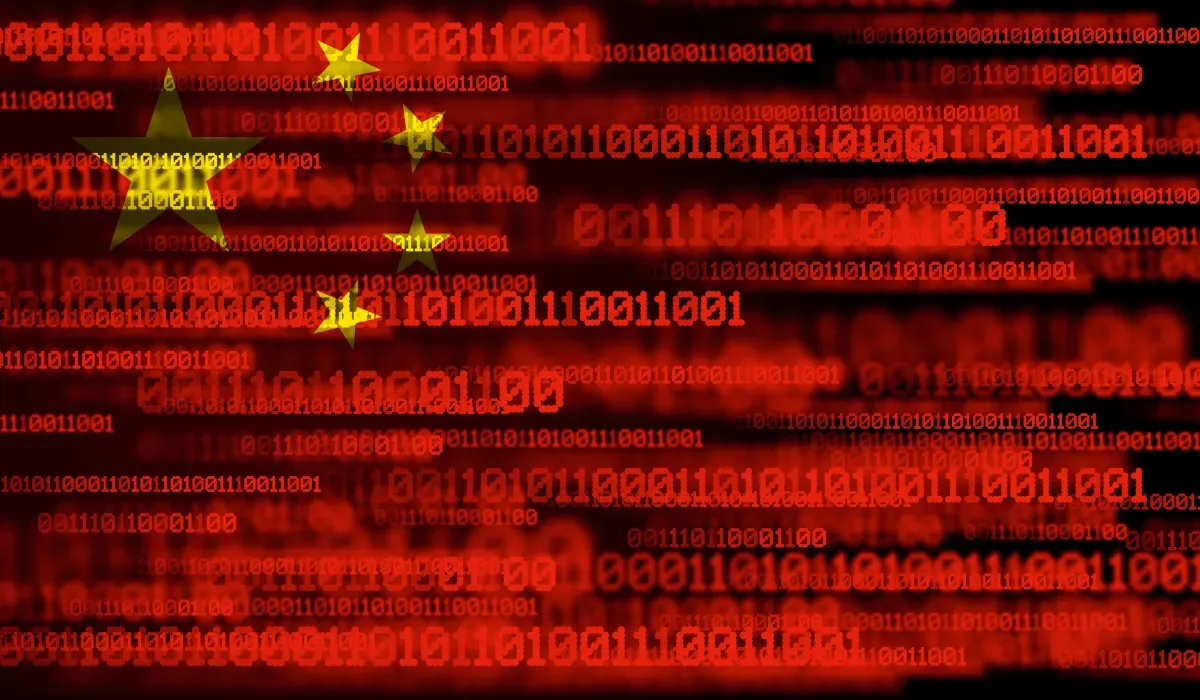
China is considering closing its doors to foreign access to its most advanced AI models. This is not just a matter of technology, but of national security. In recent meetings, giants like Alibaba, ByteDance, and the emerging Z.ai discussed new export restrictions and harsher penalties for AI technology theft, all under the country's national security law. The backdrop is a scenario where China, like the United States, sees artificial intelligence as a critical national asset that requires strict control.
Concerns over U.S. AI models, such as Mythos, have only increased China's determination to protect its creations. This includes stricter rules on foreign investments and technology transfers. Since the emergence of DeepSeek's R1 model in 2025, Chinese AI models have been gaining global traction, primarily due to their reduced costs and increasing capabilities. If Beijing decides to limit access to these products, the impact on the AI market could be significant, with costs rising for many companies.
Discussions on Penalties and Restrictions
In meetings led by China's Ministry of Commerce, limitations for the most advanced AI models were debated, both closed-source and more open ones. Authorities discussed making any leak or theft of AI technology an offense under the country's national security law. Additionally, new measures to restrict who can fund domestic AI startups were also considered. The extent of these restrictions is still under discussion, and they may only apply to future models.
The Ministry of Commerce of China and the National Development and Reform Commission, which also participated in the meetings, did not respond to requests for comment. Companies Alibaba, ByteDance, and Z.ai also did not comment. These companies have a range of AI models, some closed-source, while others are open-weight, allowing users to download, run, and customize the underlying systems. Models like Alibaba's Qwen and ByteDance's Doubao are widely used in China, while Z.ai's GLM-5.2 has caught attention in Silicon Valley for its capabilities that approach the leading U.S. offerings, but at a much lower cost.
National Security and AI Models
The administration of U.S. President Donald Trump also expressed concerns about the national security implications of AI, especially regarding the potential for American AI products to be used by military intelligence in countries like China and Russia. In June, it was ordered that foreigners would not have access to the most advanced models from Anthropic, Fable, and Mythos, which led the company to deactivate the models for all users globally, as nationality could not be verified in real-time.
In China, concerns about Mythos run deep. Authorities fear that the model could exploit software vulnerabilities and that Washington could use it against Chinese interests. This reflects concerns already expressed by state media and by Zhou Hongyi, founder of cybersecurity firm 360, who stated that China needs to develop its own Mythos. In 2026, China implemented several measures to protect domestic AI, including strict rules on overseas agreements involving Chinese investors, technology, data, and national security.
The question now is how these potential new restrictions on foreign access to Chinese AI models will be implemented. Some clues can be found in a May roundtable with Chinese legal experts on open-source AI regulations. They proposed a layered system: basic open-source tools subject to simple registration, more advanced technologies undergoing security reviews, and the most sensitive frontier models being barred from public release or restricted to domestic use.
Comments (0)
Comments are moderated and if they violate our Terms and Conditions of use, the comment will be deleted. Persistence in violation will result in a ban of your account.