


The Atlantic revela músicas presentes em grandes datasets associados ao treinamento de IA
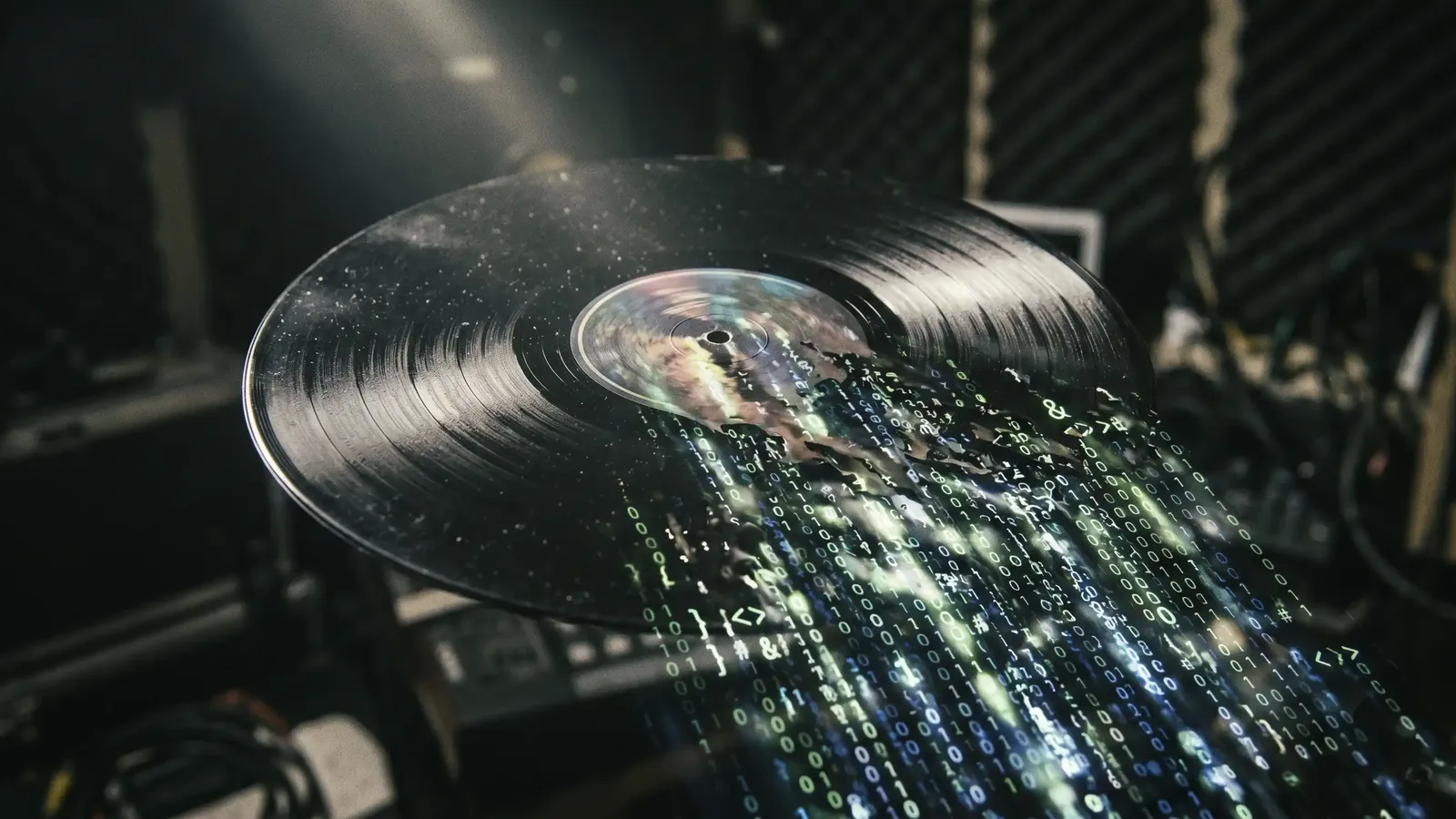
A música e a inteligência artificial estão se cruzando de maneiras inesperadas. A Atlantic deu um passo importante ao criar um banco de dados pesquisável que permite identificar músicas presentes em alguns dos maiores conjuntos de dados utilizados pela comunidade de inteligência artificial. Isso não é apenas uma questão de curiosidade; é um mergulho profundo em como a música está sendo utilizada nesse universo tecnológico.
Alex Reisner, repórter da Atlantic, identificou quatro grandes conjuntos de dados musicais amplamente utilizados em pesquisas relacionadas à inteligência artificial. Dois desses conjuntos são gigantescos, com 12 milhões e 9 milhões de faixas cada. Os outros dois são menores, mas ainda assim significativos, com mais de 100 mil músicas. Esses conjuntos já foram baixados milhares de vezes, e empresas como Google e Stability AI confirmaram ter utilizado alguns deles em pesquisas relacionadas à IA.
O detalhe é que, embora os conjuntos estejam disponíveis na internet, usá-los para treinar IA não é tão simples quanto parece. Muitos dos dados vêm de plataformas como YouTube e Spotify, e os desenvolvedores usam ferramentas para baixar as músicas, muitas vezes violando os termos de serviço dessas plataformas. Isso levanta questões éticas e legais sobre o uso de conteúdo protegido por direitos autorais.
A música que alimenta a IA
Nomes de peso como Lady Gaga, Radiohead e Wu-Tang Clan aparecem nesses conjuntos de dados. É um mix de estrelas do pop e compositores experimentais, mostrando a diversidade do material presente nesses conjuntos de dados associados ao desenvolvimento de modelos de IA.
A principal discussão não é apenas quais obras aparecem nesses conjuntos de dados, mas se seus autores autorizaram esse uso e se deveriam ser compensados quando esse material contribui para o desenvolvimento de produtos comerciais baseados em inteligência artificial. À medida que empresas lançam ferramentas cada vez mais avançadas, cresce também a pressão por maior transparência sobre as fontes utilizadas no treinamento desses sistemas.
Mas por que isso importa? Porque a forma como a música é usada pode influenciar diretamente os modelos de IA que estão sendo desenvolvidos.
Se você está curioso para explorar, o site AI Watchdog da Atlantic permite que qualquer pessoa pesquise obras identificadas em conjuntos de dados relacionados ao treinamento de modelos de IA. É uma oportunidade de ver de perto como a cultura está sendo entrelaçada com a tecnologia.
A relação entre música e IA é um capítulo em evolução. Não se trata apenas de saber quais músicas estão sendo usadas, mas de entender como isso pode moldar o futuro da música e da IA.
Questões éticas e o futuro da música na IA
A questão ética aqui é inegável. Usar músicas sem a devida licença para treinar IA levanta debates sobre direitos autorais e a remuneração justa para artistas. Ferramentas que contornam logins e anúncios para baixar músicas violam os termos de serviço, mas continuam sendo usadas. Isso coloca plataformas e criadores em uma posição delicada.
A música sempre foi uma parte vital da cultura humana, e sua interação com a inteligência artificial é um território ainda em exploração. Como a indústria musical vai reagir a isso? E como os desenvolvedores de IA vão lidar com as implicações legais e éticas?
O lançamento da ferramenta da Atlantic representa um avanço importante em transparência. Pela primeira vez, artistas, pesquisadores e o público podem verificar parte dos conteúdos que alimentam o desenvolvimento de sistemas de IA e participar de forma mais informada do debate sobre direitos autorais, inovação e remuneração na era da inteligência artificial.
Comments (0)
Comments are moderated and if they violate our Terms and Conditions of use, the comment will be deleted. Persistence in violation will result in a ban of your account.