



Ron Johnson and the Resistance to AI Commerce
While Silicon Valley invests billions for artificial intelligence agents to shop for us, Ron Johnson, the visionary behind Apple stores, believes the industry is overestimating how much people will delegate their shopping to machines. For him, physical stores will continue to thrive.
Johnson, who helped build the Apple store network in the early 2000s, has heard predictions about the end of physical retail before. At that time, online shopping was beginning to gain traction, but Apple stores became a central point in the company's sales strategy, offering a unique experience of connection with customers. Johnson's bet is that, even with the evolution of technology, the physical experience will still be irreplaceable.
The Physical Experience Still Matters
For Johnson, the idea that an AI agent could choose and buy a laptop costing one or two thousand dollars without the consumer visiting a store or website is unthinkable. "No one is going to do that," he asserts. Buying a laptop is a personal decision that involves feeling the weight of the device, seeing the screen, and choosing the right size. Although AI can help narrow down options, many consumers still prefer to try the product before investing a significant amount of money.
Johnson believes that AI will not be able to provide the physical experience of a product. Instead, he predicts that AI agents will make consumers more informed before they enter a store. "They will become more informed shoppers when they arrive at the store," he says.
The Human Value in Stores
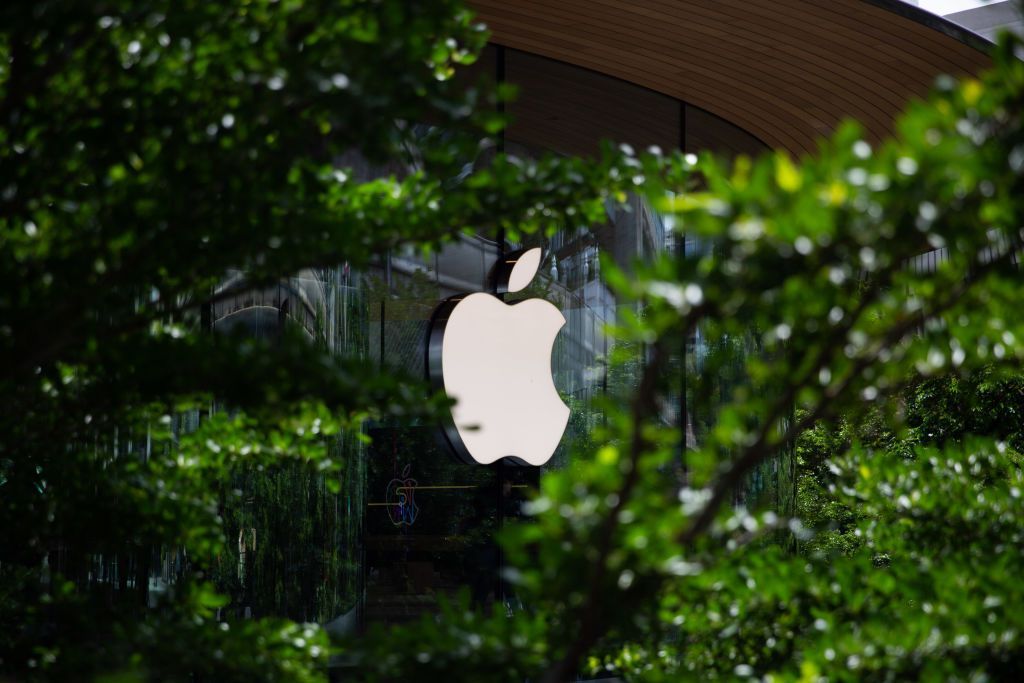
Johnson's conviction comes from a decision that Apple made over two decades ago. Apple’s physical stores were designed not just as places to buy Macs but also as spaces where people could experience the products, learn how to use them, and seek help when needed. Apple's differentiator has always been human service, something that technology cannot replicate.
Johnson emphasizes that Apple Store employees do not receive commissions, unlike the common sales culture in retail. The idea was to remove the pressure to sell and instead focus on understanding what the customer really needed. This customer-centric approach is something many competitors have tried to copy, but often without success.
The Vision for the Future
Despite his skepticism about the impact of AI on commerce, Johnson is optimistic about technology. He believes that Steve Jobs, with whom he worked closely, would have also embraced AI, but not as a substitute for human judgment. "There is no substitute for human intuition," Johnson recalls, highlighting the importance of bringing smart people together to discuss problems and find new perspectives.
After his time at Apple, Johnson tried to apply his innovative vision in other companies, such as J.C. Penney, but faced challenges in trying to rapidly transform a traditional chain of stores. Later, he founded Enjoy Technology, an e-commerce startup that brought technology products and services directly to customers' homes, but ultimately faced financial difficulties.
In the end, as technology advances and AI commerce becomes an increasingly present reality, Johnson's vision reminds us of the irreplaceable value of human experience and personal interaction in the retail world.
Comments (0)
Comments are moderated and if they violate our Terms and Conditions of use, the comment will be deleted. Persistence in violation will result in a ban of your account.