


Trump and .gov Websites: The Digital Revolution That Became a Nightmare
Donald Trump's bold plan to reinvent all .gov websites with the help of artificial intelligence is not going as expected. Last August, Trump created the National Design Studio (NDS), a temporary entity that reports directly to the president. The goal? To update the US Web Design System (USWDS) and redesign 27,000 government websites in just three years. The idea was to create a more beautiful and functional "design language" for the government. But, as expected, the monumental task became even more complicated with deep cuts to the agencies that were previously responsible for improving government websites.
The detail is that these agencies were already struggling to get all government entities to adopt new web standards. Even after years of effort, only 30% of government websites were compliant with USWDS standards by mid-2023. And to make matters worse, the USWDS team was reduced to a single full-time employee after Trump took office.
The Resistance and Awkward First Steps
One year after the creation of the NDS, the results are, at best, disappointing. The biggest achievement so far has been modernizing the federal retirement system, but even that was already in progress before the NDS existed. The team has launched few websites, and many design experts criticize the excessive use of AI without proper accessibility testing. The resistance from agencies to adopt the new standards has only increased.
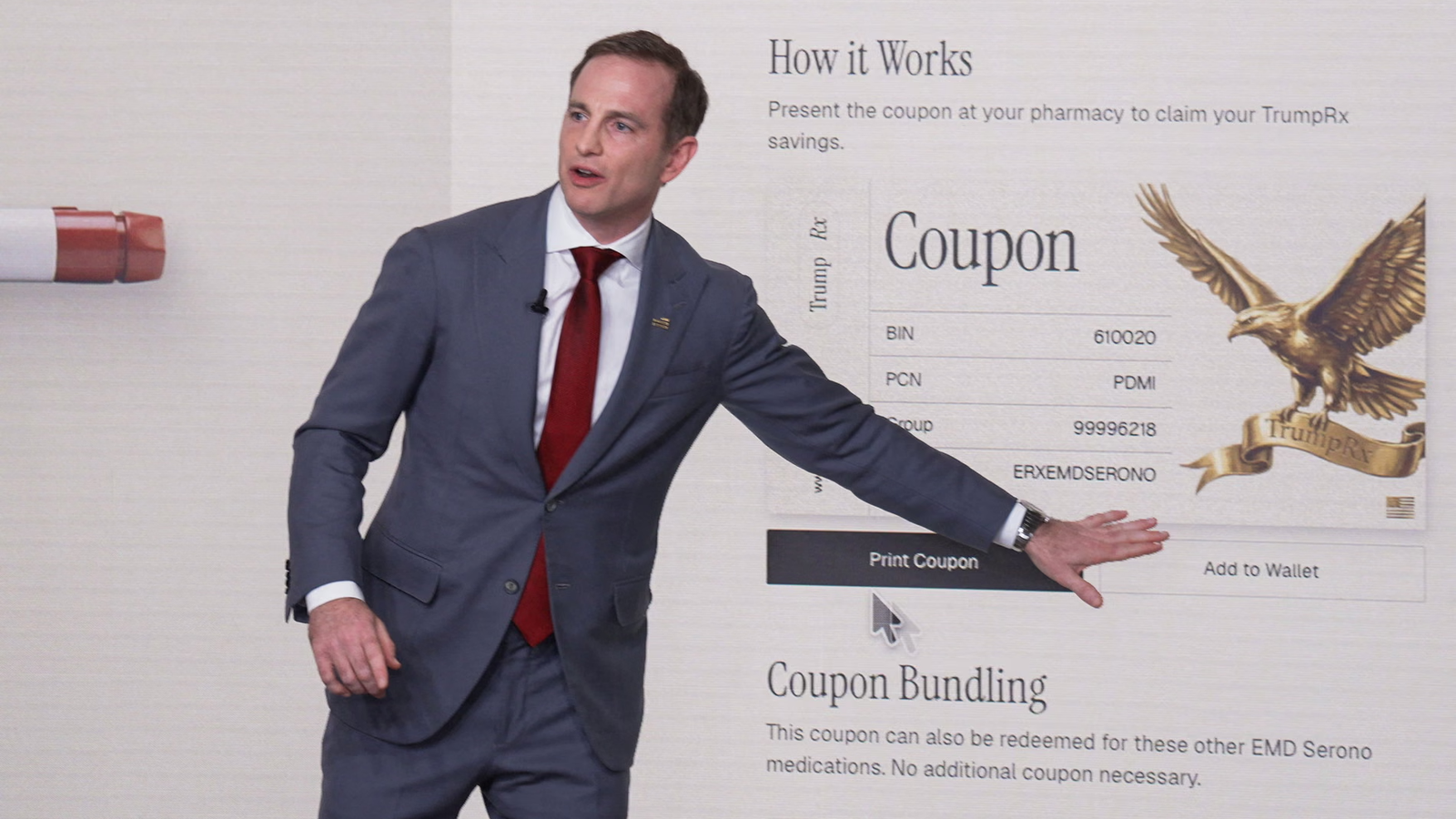
The websites launched by the NDS are mostly single pages where visitors can do little more than fill out a registration form. A useful example is TrumpRX, which offers a search tool to compare drug prices. But for anything else, visitors still need to resort to old websites. Additionally, many newly registered domains, such as live.gov and onlyfarms.gov, redirect to legacy sites, undermining user trust.
The Design That Became a Joke
Among the few larger websites launched by the NDS is the ndstudio.gov itself. It catalogs the team's releases, discusses AI and accessibility efforts, and even encourages talented designers to apply. However, the site's online store, which sold limited edition posters, was removed after questions about the fate of the profits. Another curious example is merrychristmas.gov, which seems more like a vanity project than a useful government resource.
The NDS has been mocked for using AI to generate bizarre images, such as a child with six fingers running towards a starless American flag. These design errors not only erode public trust but also reveal the rush to launch sites that look like iPhone ads.
Privacy Concerns and Hidden Intentions
What worries the public the most are the projects that the NDS apparently completes but never launches. Investigations suggest that the Trump administration may have hidden motives, such as surveillance or propaganda. Sensitive domains like vote.gov and passport.gov were created but remain inactive. The Guardian revealed that, under the NDS design, voters would have to verify their identity through Login.gov, raising questions about privacy and data use.
In the end, what was supposed to be a digital revolution has turned into a design nightmare. The promise of more beautiful and functional government websites seems increasingly distant, while public trust continues to be undermined by errors and suspicions. The lingering question is: can beauty really strengthen democracy, or are we just painting a facade on a system that needs much more than an aesthetic overhaul?
Comments (0)
Comments are moderated and if they violate our Terms and Conditions of use, the comment will be deleted. Persistence in violation will result in a ban of your account.