


Microsoft and the supercomputer that troubled NYT
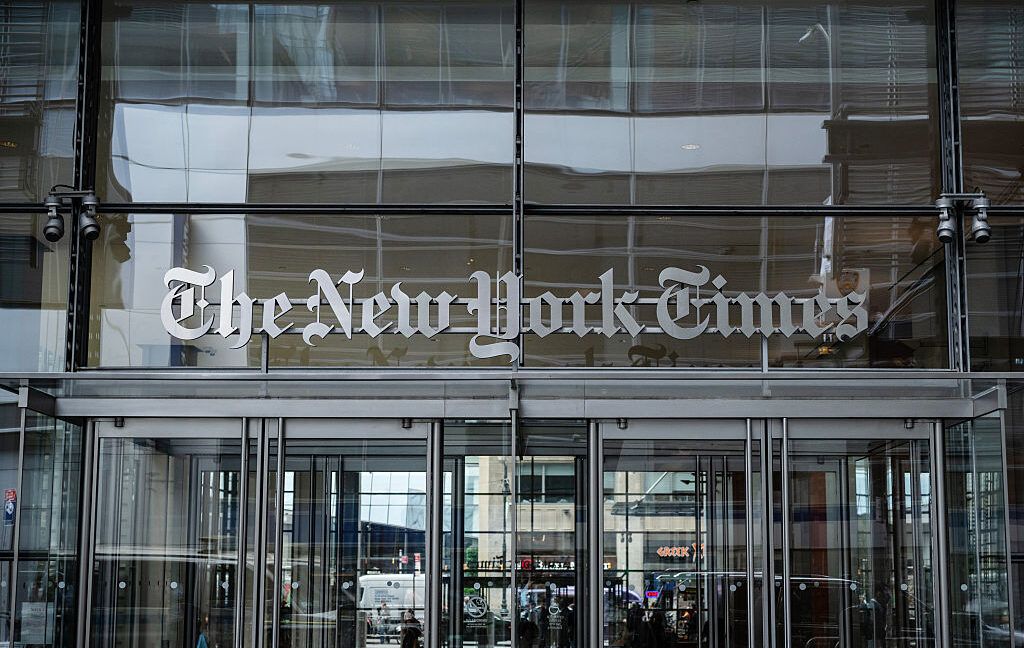
The New York Times is at war with Microsoft. The tech giant is accused of building a supercomputer that allegedly helped OpenAI infringe the newspaper's copyrights. The story gains further traction after a decision by the U.S. Supreme Court that changed the rules of the game regarding contributory infringement. Now, NYT wants to adjust its complaint to align with this new legal reality.
The case is curious. NYT accuses Microsoft of encouraging OpenAI to use its copyrighted works, all with the help of a custom-built supercomputer. This machine, one of the most powerful in the world, was allegedly developed to train AI models using the newspaper's content without permission. The idea was to use the best of journalism to create models that could replicate that level of writing.
NYT's change of strategy
With the new Supreme Court decision, NYT decided to adjust its strategy. They want to make it clear that Microsoft not only assisted in selecting the infringed works but also created a means to capture that content without authorization. NYT spokesperson Graham James stated that the action seeks to strengthen the case against Microsoft, aligning with the new legislation and evidence uncovered during the process.
On the other hand, Microsoft sees this amendment as a desperate attempt to salvage the complaint. They argue that allowing the change would not harm either Microsoft or OpenAI, as it would not require new discoveries. Nevertheless, NYT maintains the accusation that Microsoft and OpenAI stole millions of works to compete with their products and illegally enrich themselves.
The market impact and the issue of "fair use"
For NYT, the evidence is clear. During the discovery phase, they shared user sessions from ChatGPT that show how the model reproduced excerpts from their articles almost literally. This, they argue, replaces the need for a NYT subscription, causing market harm. Additionally, there is the issue of hallucinations, where the models falsely cite NYT for content that was never published.
Microsoft and OpenAI defend that training AI with NYT articles is a case of fair use. Drew Pusateri, a spokesperson for OpenAI, emphasized that their models are trained with publicly available data and grounded in fair use. However, NYT believes that their substitution evidence is strong and may not be favorable to the tech companies.
The collision between technology and copyright
The dispute between NYT and Microsoft/OpenAI is a clear example of how technology and copyright are on a collision course. While tech companies advocate for fair use, copyright holders see their works being used without permission. The issue is complex, and the outcome could set new standards for the use of protected content in AI training.
The fight is far from over, and the result could impact not only NYT but the entire media and technology market. The final decision could establish important precedents regarding what is considered fair use in the context of artificial intelligence. Until then, we will keep an eye on the next chapters of this legal saga.
Comments (0)
Comments are moderated and if they violate our Terms and Conditions of use, the comment will be deleted. Persistence in violation will result in a ban of your account.