



South Korea Bets Big on Memory Chips and Humanoid Robots
South Korea is about to make a giant leap in the tech race, investing no less than $1 trillion in megaprojects that promise to revolutionize memory chip production and humanoid robotics. The South Korean government, along with tech giants like Samsung and SK Hynix, is committed to strengthening the global supply of memory chips, building new AI data centers, and boosting the commercial use of humanoid robots by 2028.
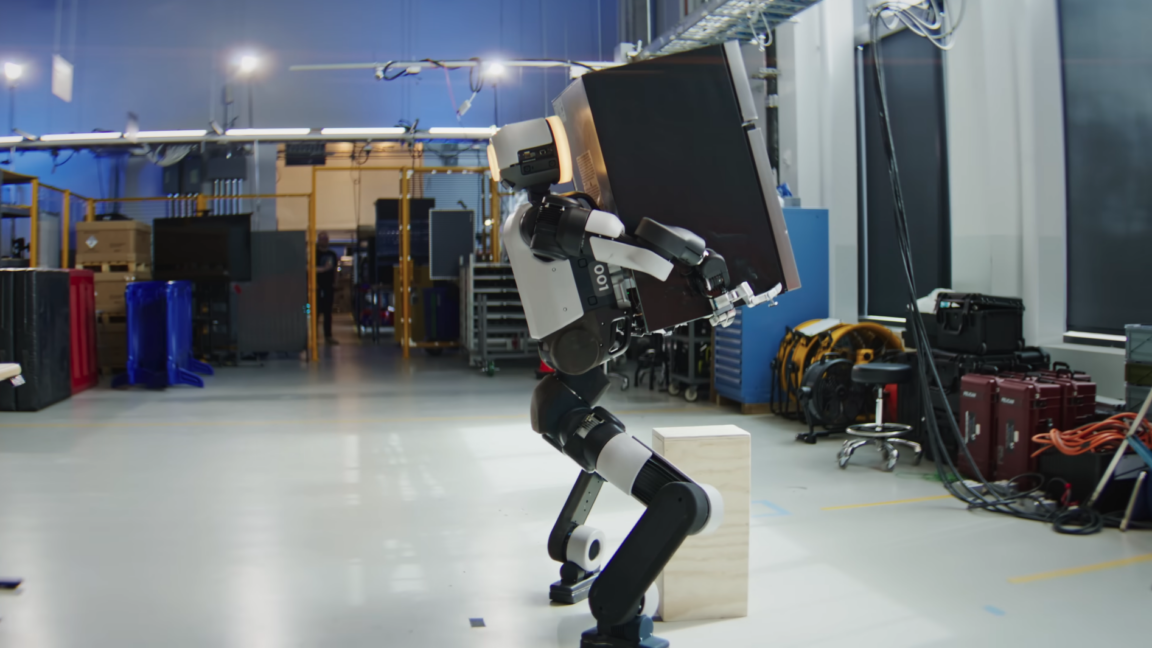
What’s behind this movement? It’s simple: the demand from the artificial intelligence industry for memory chips is on the rise, and with that, the prices of consumer electronics are too. Meanwhile, Hyundai Motor Company is racing to mass-produce humanoid robots, developed by its subsidiary Boston Dynamics, which could take on arduous tasks in automotive factories and other workplaces.
The Triad of Technological Advancement
South Korean President Lee Jae Myung emphasized the importance of securing the core elements of AI before any other country. For him, semiconductors, physical AI, and AI data centers are the tripod for a great leap forward. However, this race to the future does not come without controversies. The country’s chip giants are under scrutiny for their astronomical profits during the AI boom, and there are proposals for redistributing this wealth.
The most expensive investment involves building new chip factories, with Samsung and SK Hynix committing $585 billion. The goal is to double DRAM memory production in five years. However, global consumers may have to wait a bit longer to see prices drop, as building new factories is a time-consuming process.
Data Centers and Energy Demand
Another major investment, amounting to $357 billion, is directed towards constructing AI data centers in various provinces of the country. But there’s a challenge: these facilities require a substantial amount of electricity and water to operate. The government is working to ensure sufficient energy, turning to renewable and nuclear sources, in addition to fossil fuels.
South Korea's dependence on natural gas, which accounts for nearly 25% of electricity generation, leaves it vulnerable to supply crises and high prices. This is particularly concerning amid the crisis in the Strait of Hormuz.
Humanoid Robots and Worker Resistance
The third megaproject involves designating "national strategic industry" to physical AI, allowing robots and autonomous vehicles to interact more autonomously with the real world. Hyundai is investing $5.8 billion in a robot factory and an AI data center, aiming to produce 30,000 Atlas robots per year by 2028.
However, not everyone is excited about the prospect of working alongside robots. Hyundai workers have already approved a potential strike, seeking guarantees for job protection and profit sharing. The arrival of humanoid robots is generating tension, and the government is encouraging companies to share their unprecedented profits with workers.
South Korea is clearly aiming for the future, but the transition to an AI and robotics-driven economy will not be without challenges. The question remains: how to balance technological advancement with the needs and concerns of the human workforce?
Comments (0)
Comments are moderated and if they violate our Terms and Conditions of use, the comment will be deleted. Persistence in violation will result in a ban of your account.