


OpenAI launches programmable keyboard for Codex
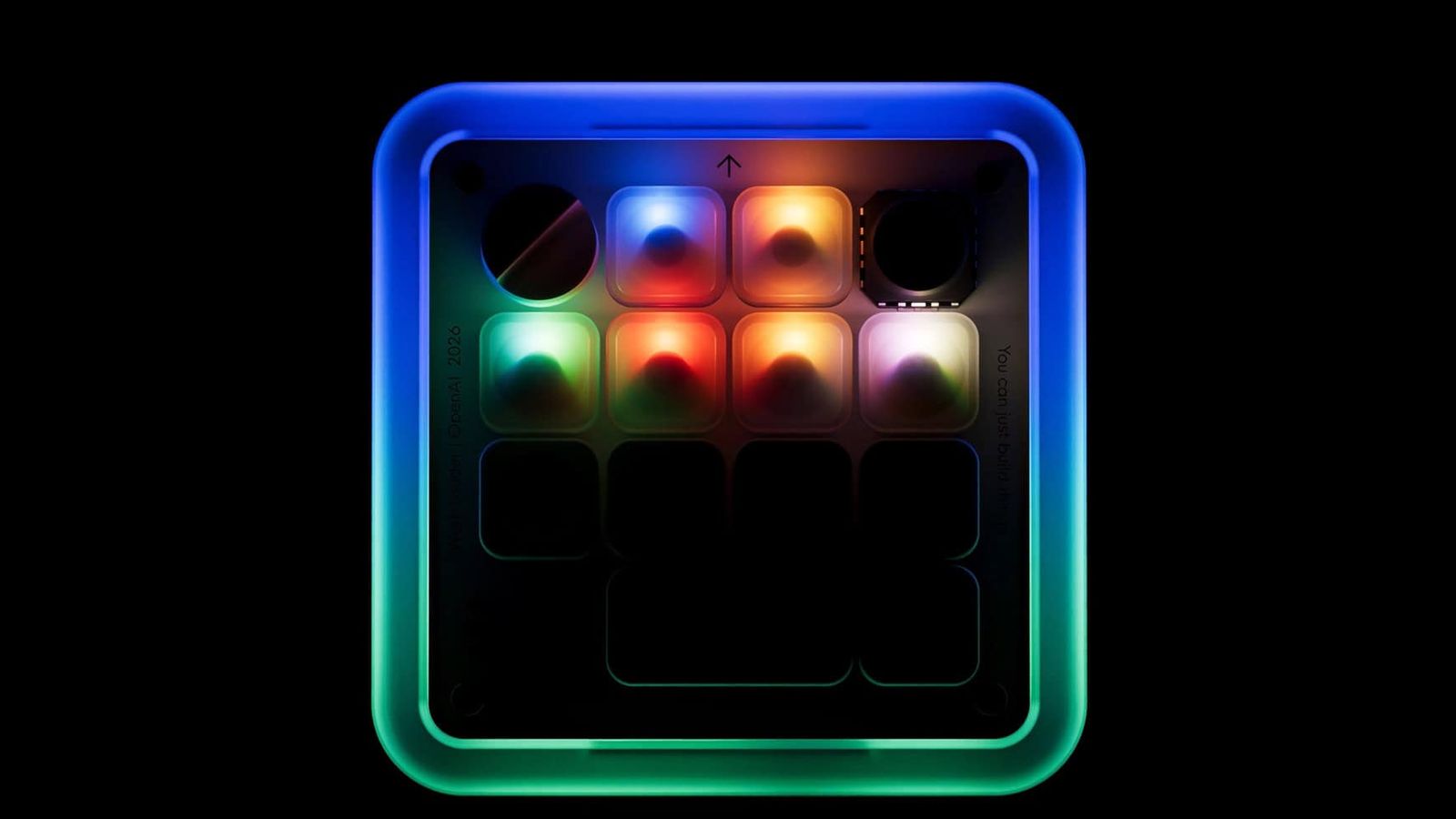
OpenAI is about to revolutionize the way we interact with programming. Imagine a programmable keyboard that transforms the experience of using Codex, OpenAI's AI tool aimed at programming, into something even more straightforward and intuitive. This new device, revealed in a video on the social network X, is a physical panel with programmable buttons that promises to simplify the use of Codex shortcuts. The partnership with Work Louder, known for customizable peripherals, is a strategic step to integrate the digital and physical worlds.
The launch is scheduled for July 15 and promises to be a game changer for those who use Codex. The device resembles the Creator Micro 2 from Work Louder, a macro pad that allows quick actions to be assigned across different applications. The idea is that frequent commands can be triggered with a simple touch, making the workflow more efficient. OpenAI, alongside Work Louder, aims to integrate programming flows with tactile controls, an innovation that could change how developers interact with their tools.
Codex and its role in the programming world
For those who are not yet familiar, Codex is an AI tool created by OpenAI to facilitate programming. It interprets commands in natural language and converts them into code, functioning as a translator between what the user wants and software writing. This means that developers can describe tasks simply, while Codex generates the corresponding code, suggests adjustments, and helps in understanding existing structures.
Additionally, Codex automates parts of the development process, reducing the need for manual writing in repetitive tasks. The goal is to make programming more accessible and productive, serving both experienced professionals and beginners. This tool is part of a set of solutions from OpenAI that apply language models in technical and practical contexts.
The partnership with Work Louder
The collaboration with Work Louder is an interesting point in this launch. The company already has a history of creating peripherals aimed at command customization, used in editing and design software like Photoshop. The similarity of the new device to the Creator Micro 2 reinforces the idea of a macro pad, with buttons and physical controls for automating digital tasks. This approach can be especially useful for those looking to optimize time and increase productivity when programming.
Although we do not yet have all the technical details, expectations are high. OpenAI is clearly investing in making its tools more accessible and integrated into the daily lives of developers. And with this new device, interaction with Codex promises to be more fluid and efficient, allowing creativity and innovation to flow without barriers.
This programmable keyboard could be the key to transforming the programming experience, making it more intuitive and straightforward. And, of course, we are all eager to see how this innovation will impact the world of technology.
Comments (0)
Comments are moderated and if they violate our Terms and Conditions of use, the comment will be deleted. Persistence in violation will result in a ban of your account.