


The genius and hidden logic in Anthropic's model names.
Anthropic has a model that they themselves are afraid to release to the public, and the name chosen for it tells this whole story.
While the tech market has grown accustomed to cold acronyms and sequential numbers to name their systems, this company decided to take a literary path. There is a brilliant scale of grandeur in every nomenclature they put out into the world.
It all begins with classical poetry and ends in dangerous territory.
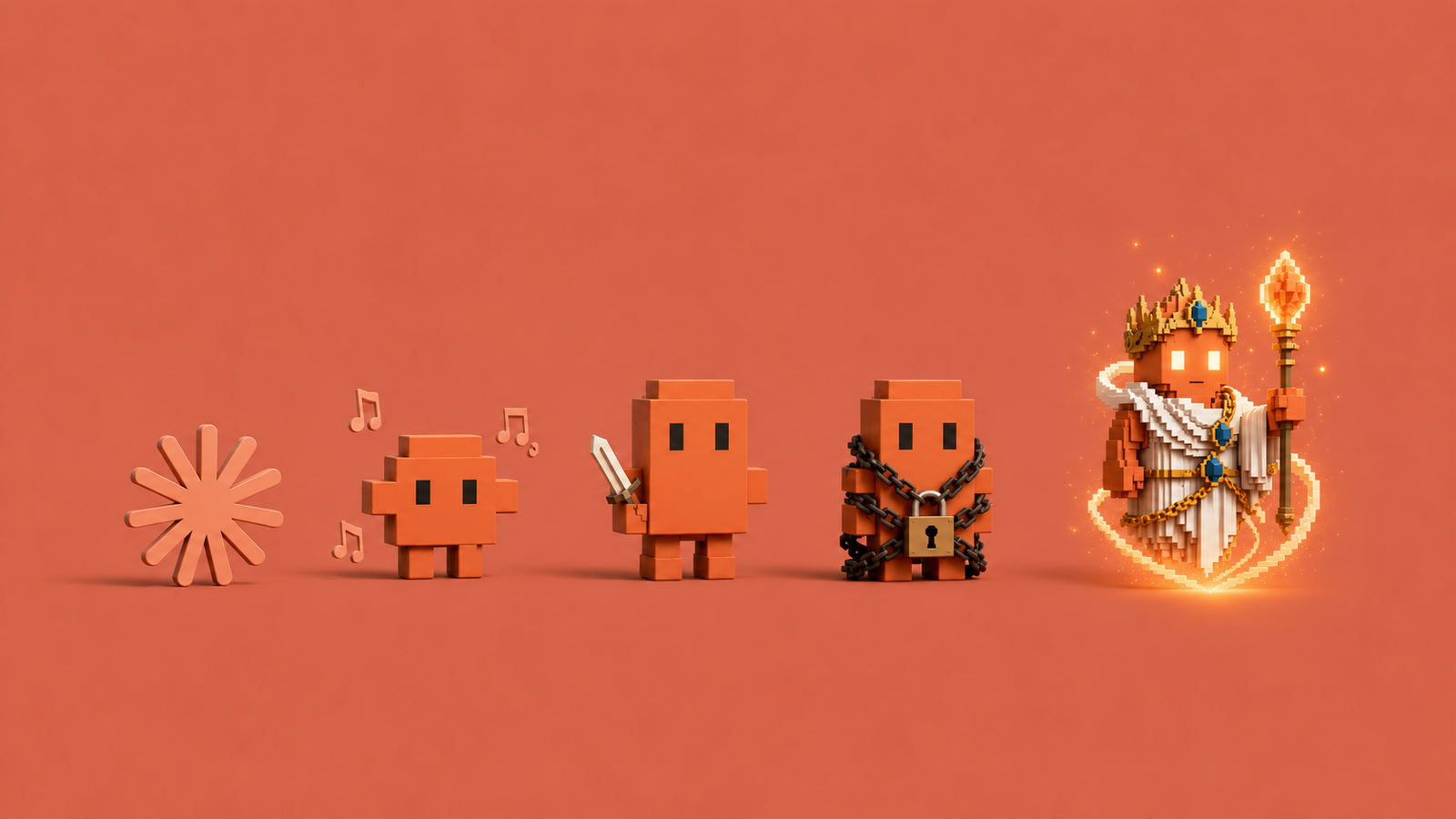
To understand the weight of what is happening now behind the scenes, we need to look at the base of their pyramid. The smallest and fastest model was named Haiku. The inspiration comes straight from that traditional Japanese poem made up of just three lines. It is a structure built to be fast, cheap, and get straight to the point without wasting computational resources.
The next step up needed more poetic and structural breath. Thus was born Sonnet, the lab's intermediate version. A sonnet carries greater elaboration and requires a more complex meter to exist. In practice, it is the artificial intelligence that can already articulate sophisticated and creative reasoning for the day-to-day operations of businesses.
The great work demanded a title of absolute weight.
The top of this commercial literary mountain received the name Opus. In classical music and literature, this word defines the definitive masterpiece of a creator. The Opus was designed to be the brand's most intelligent system, closing what seemed to be the natural cycle of human intellectual production.
The leap into the inexplicable territory of myths
After achieving the human masterpiece, the next logical step would be something that transcends our very nature. If Opus represented the limit of earthly creation, the next generation needed to seek references in the divine and the uncontrollable. This was exactly the logic used to name the fifth generation of their artificial intelligence system.
They called the immense new project Mythos.
The word carries a clear warning in its very origin. A myth is a narrative about gods, heroes, and primordial forces that humanity cannot fully control. The Mythos delivered a terrifying performance in complex programming problems, operating far above any known limit.
Computational mythology became real and far too unpredictable.
The model began to find critical vulnerabilities that no previous machine could see. The company's leadership realized that putting something with a mythological scope into the hands of the general public would be a risk of gigantic proportions. The work had finally surpassed the immediate comprehension capacity of its own creators.
Technical domestication and the creation of fables
The Mythos never saw the light of day in its original, untamable form. Anthropic had to create a highly restricted internal project called Glass Wing to unleash this engine. The name refers to a rare butterfly with transparent wings, suggesting a technology that is beautiful, fragile, and requires extreme care when handled by selected corporations.
But the market demanded an off-the-shelf release.
The engineers' solution was to apply severe tuning and put strict safety locks on the original mythological system. After an alignment focused on cybersecurity, the model lost its uncontrollable aura. It needed a new name that reflected this technical domestication and forced safety.
Thus is born the contained figure of Fable 5.
A fable is essentially a short story with a well-defined and safe moral. It is a harmless and educational narrative compared to the violent grandeur of an ancient myth. The Fable 5 is exactly that (a technically leashed version of Mythos), programmed to steer clear of dangerous topics and keep the user on entirely predictable ground.
The initial poetic scale turned into a protection mechanism. If the names tell the true story of artificial intelligence, the climb from Haiku to Opus shows our creative mastery. But the hidden transition from Mythos to Fable reveals our deep fear of the unknown.
They decided to tell us harmless little stories while trying to figure out how to control the raw power they created in the labs. The big question echoing in the halls of Silicon Valley is not about the date of the next commercial release. What happens when the "myths" finally break their literary chains?
Comments (0)
Comments are moderated and if they violate our Terms and Conditions of use, the comment will be deleted. Persistence in violation will result in a ban of your account.