


Unions prepare to face AI in the 2028 elections
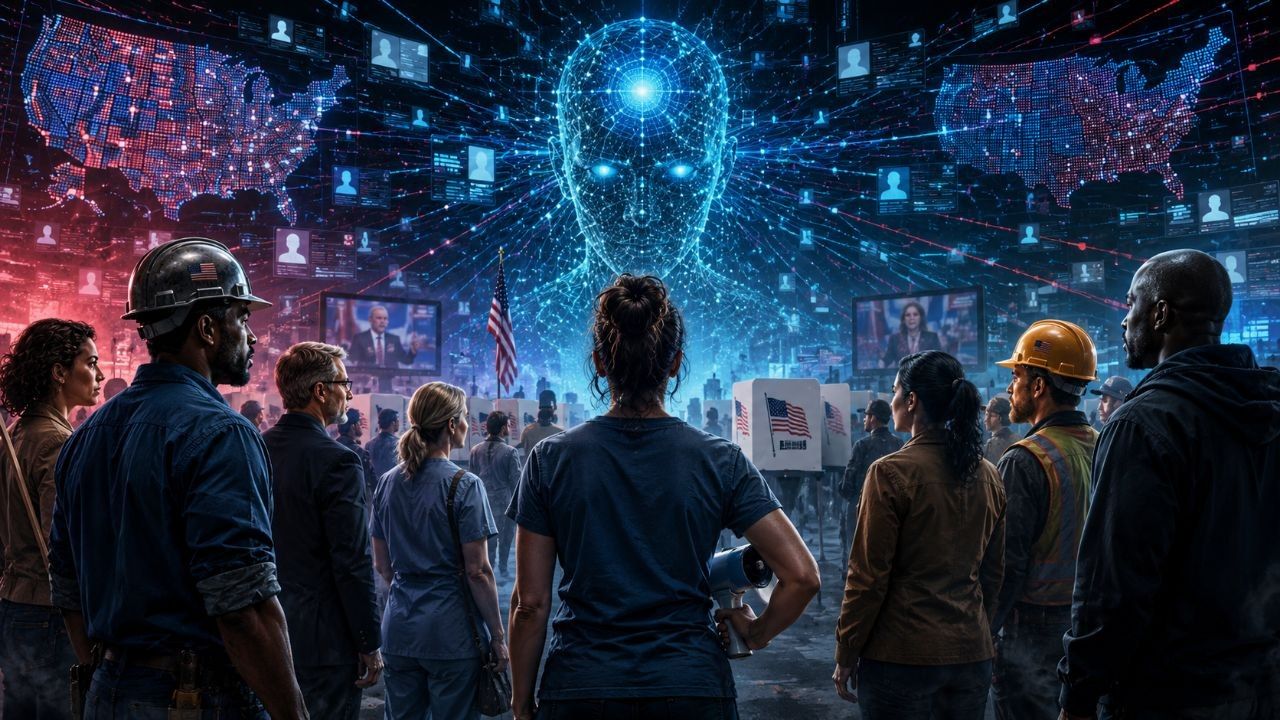
The most influential unions in the United States have a clear message for prospective 2028 presidential candidates: it's us or the machines. Anxiety surrounding artificial intelligence dominated the conversation at the AFL-CIO national convention. Leaders from 65 affiliated unions demanded that politicians establish meaningful regulations for AI.
The issue is that anyone planning to run for the White House will face difficulties. It will be a challenge to please both pro-business Democrats and the party's progressive base, which is increasingly suspicious or hostile toward AI.
Unions see opportunities for union workers to build data centers and other AI projects. But they believe both parties are failing to protect workers from the consequences of the technology. "You're either on the side of the workers or the millionaires," said Liz Shuler, president of the AFL-CIO. "There's a lack of real leadership, with a focus on the workers."
The divide between workers and millionaires
The AFL-CIO chose not to invite potential 2028 candidates to the convention, avoiding overly politicizing the event. However, union leaders did not spare criticism of politicians' AI policies. Chrissy Lynch, president of the Massachusetts AFL-CIO, stated that California Governor Gavin Newsom's recent executive order on AI "doesn't help." For her, "it says the right things, but it's just more research, and what we need is action."
Lynch and others made it clear they do not support the moratorium on data center construction advocated by figures like Alexandria Ocasio-Cortez and Bernie Sanders. Construction unions, in particular, see the construction of these centers as a way to secure well-paying jobs. They believe a moratorium would hurt their members. Lynch argues that "we can build data centers responsibly. They will power hospitals and universities that need it. It is part of our digital infrastructure."
Technology in the service of workers
On Tuesday, union leaders spoke beneath a large banner that read "AI must work for us." They criticized technologies such as surveillance pricing, "bossware" programs, digital replicas, synthetics, data harvesting, discriminatory algorithms, and more. Jamie Brown, president of National Nurses United, noted that "for far too long, workers were promised that new technologies would make our work and our lives easier, but that promise was empty, made by billionaires with no interest in our well-being, only in replacing us."
The unions easily passed a resolution stating: "Our message to elected leaders is clear and unequivocal: you can support Big Tech's pursuit of profits at any cost, or you can support workers in responsible and careful technological change. But you cannot do both."
The political dilemma of AI
Many Democrats eyeing 2028 have called for more AI regulation, as polls indicate voters are increasingly anxious about the technology. This represents an about-face for some governors who previously embraced AI-related projects, along with the jobs and business they could bring to their states.
AI is also dividing Republicans. Although the Trump administration was largely indifferent toward AI companies, potential Republican presidential candidates like Florida Governor Ron DeSantis and Missouri Senator Josh Hawley have been increasingly critical of the technology.
Comments (0)
Comments are moderated and if they violate our Terms and Conditions of use, the comment will be deleted. Persistence in violation will result in a ban of your account.