


AI Confusion is Disrupting Law Creation in the USA
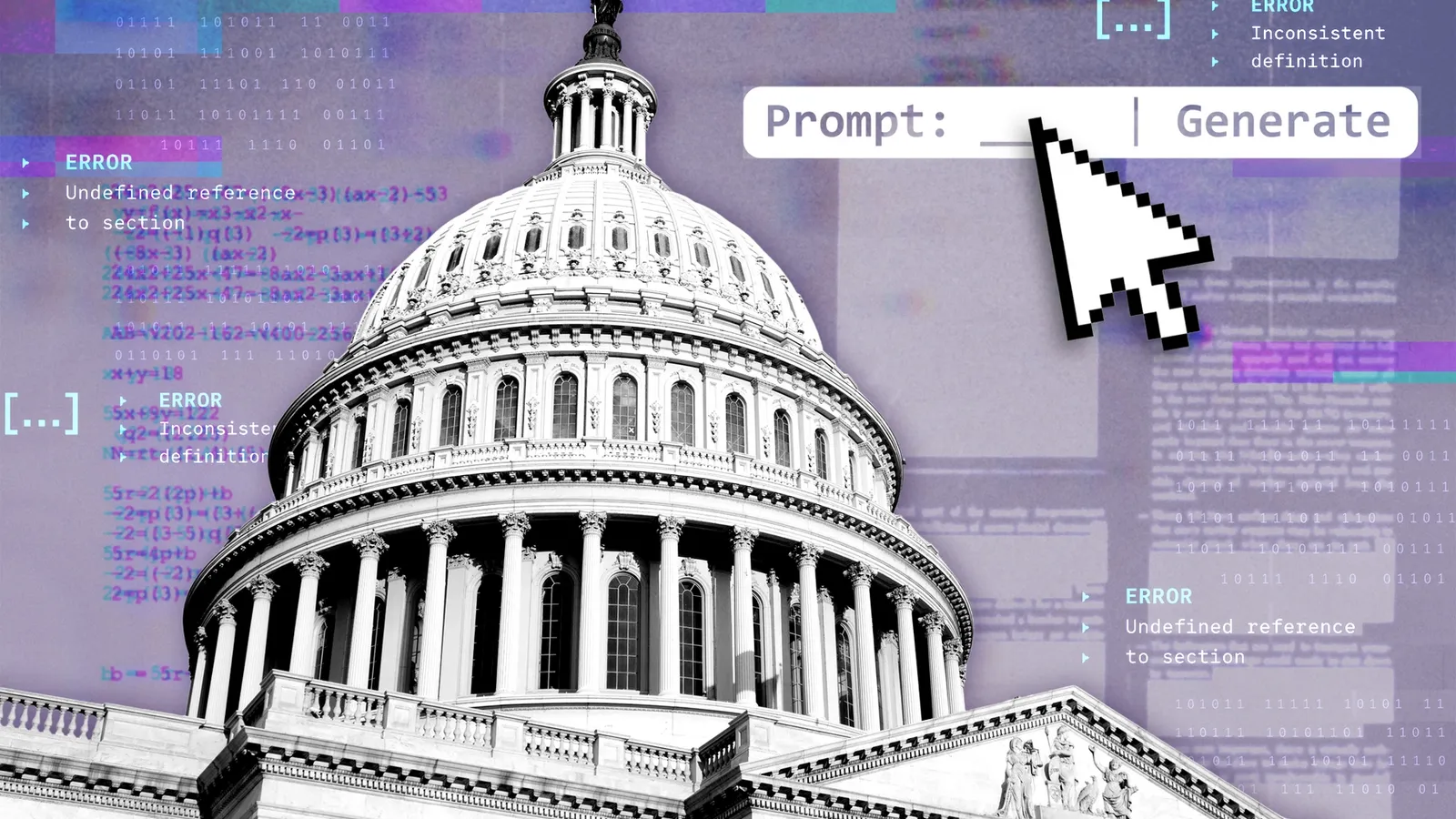
Imagine an office that needs to deal with a tsunami of texts generated by artificial intelligence, many of them full of errors. This is exactly what is happening at the Office of Legislative Counsel, the office responsible for drafting laws in the United States. The pressure on these lawyers is increasing as more Congressional offices and external groups turn to AI to create legislative proposals. The problem? Many of these texts are poorly written and full of flaws, which can delay the approval of laws and even lead to lawsuits due to incorrect citations or legal definitions.
The arrival of AI at the Capitol means that this technology, which is already transforming sectors like software and entertainment, may soon influence the laws that affect millions of Americans. But in unpredictable ways. Daniel Schuman from the American Governance Institute highlights that while AI is useful for many things, it is still not ready to draft laws that should be passed.
The Challenge of Using AI to Write Laws
The task of writing legislation is full of crucial details that can confuse AI tools. For example, deciding whether a benefit should be a "tax credit, tax deduction, tax exclusion, or a grant" is something that AI may not understand. Additionally, incorrect definitions can exclude regions like Washington D.C. and tribal nations from federal programs. Ari Hershowitz, who works to integrate technological tools into the legislative process, warns that incorrectly citing previous statutes is a surefire way to introduce thousands of errors into the legal system.
The detail is that, even with the growing adoption of AI, the Office of Legislative Counsel remains a key player in Congress's quality control. They are the guardians who ensure that legislation actually works. But with the increased use of AI, their job is becoming increasingly difficult.
The Importance of the Office of Legislative Counsel
The Office of Legislative Counsel is essential for the functioning of the U.S. legislative branch. Marci Harris from the POPVOX Foundation emphasizes that when we talk about Congress's ability to legislate, we are talking about this office. They are already preparing for an increase in workload due to AI. In a recent testimony, Warren Burke, the office's leader, mentioned that the number of legislative requests has increased by 72% in just two years.
The concern is that with AI generating texts so quickly, the office may become overwhelmed. This could lead legislators to introduce AI-generated bills without proper review, which is a huge risk. After all, AI can help process information, but it cannot replace the art of drafting laws.
The Role of Technology in the Legislative Process
Despite the challenges, the Office of Legislative Counsel is exploring how AI can be used to improve efficiency, such as in legal research. There are already tools that help visualize how a bill would change the U.S. Code, using natural language processing. This technology was specifically developed for Congress and is seen as superior to commercial products because it is designed to avoid errors.
However, the adoption of these tools is still limited. While the House OLC is committed to maintaining the quality of laws, the Senate has not yet widely adopted these technologies. For Wade Ballou, former head of the office, AI should be seen as an aid, not a substitute. Even without errors, the office's workload may worsen as AI accelerates the generation of legislative texts.
In summary, AI is changing the way laws are created in the USA, but there is still a long way to go to ensure that this technology is used effectively and safely. The challenge is great, but with the right approach, it is possible to integrate AI into the legislative process without compromising the quality of laws.
Comments (0)
Comments are moderated and if they violate our Terms and Conditions of use, the comment will be deleted. Persistence in violation will result in a ban of your account.