


English Teaching Faces Transformation with AI in China
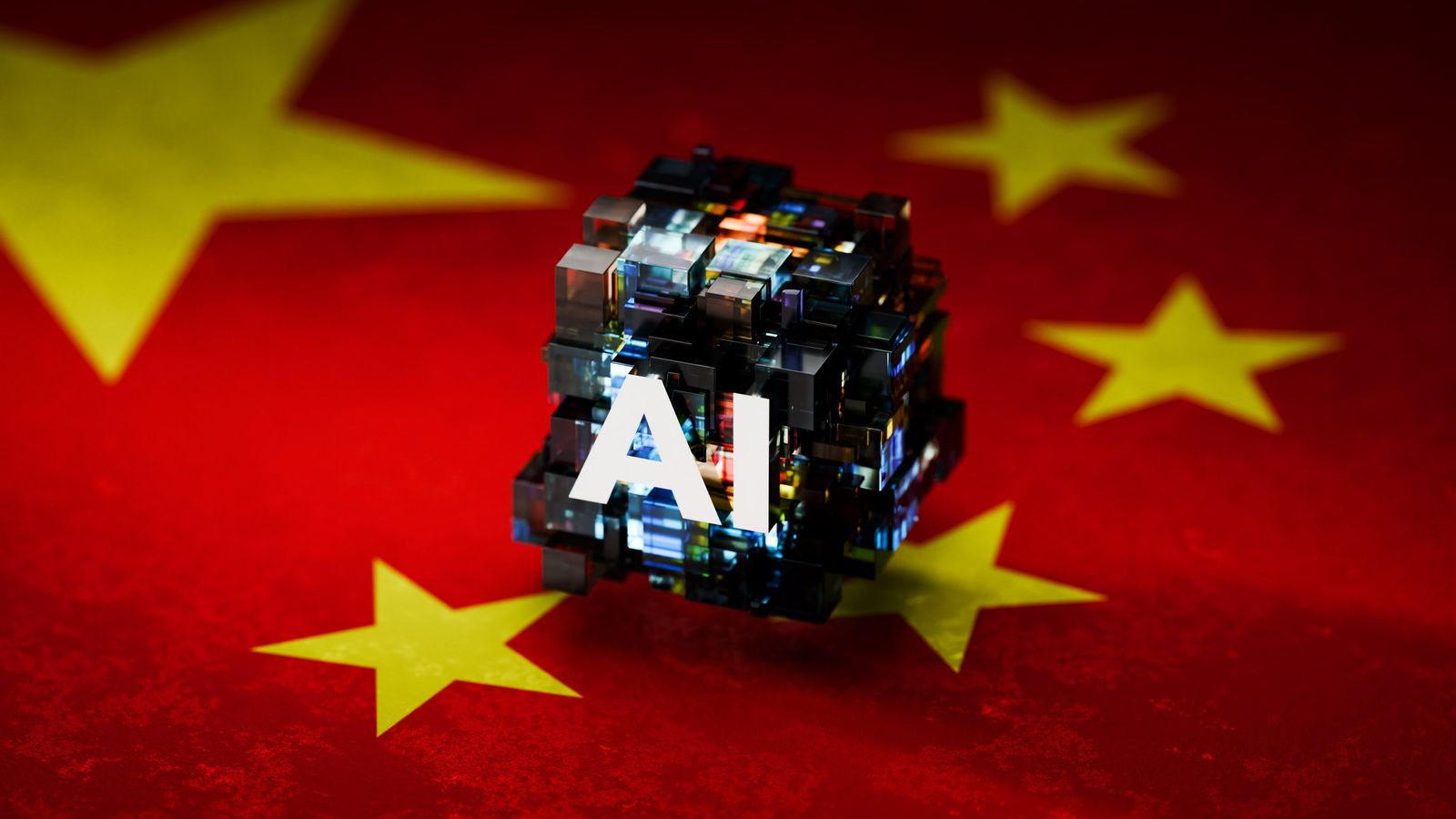
A university in China is about to change the game in language teaching. Instead of traditional English classes, the Shenzhen University of Advanced Technology (Suat) wants to focus on intercultural communication, leveraging artificial intelligence translation tools. The idea is that, with AI advancing rapidly, the need to master a foreign language may be becoming obsolete.
Rector Zhao Wei announced that starting in 2026, new students will follow this experimental curriculum. The goal? To prepare them for a globalized world, where understanding cultures and contexts is more crucial than being fluent in English. Zhao Wei believes that real-time translation tools are already efficient enough to allow natural conversations between people who do not speak the same language.
Imagine using headphones that instantly translate what someone says in English to Chinese, and vice versa. This not only makes communication more accessible but also redefines the role of universities. They must now focus on preparing students to interpret cultural contexts and establish trust in international environments.
The Impact of AI on Language Teaching
Suat's proposal did not come out of nowhere. It is part of a broader debate in Chinese higher education about the impact of artificial intelligence on language teaching. Recently, a seminar in Hunan discussed how AI is changing the way we learn and use languages. He Xuhui from Central South University highlighted that today's students arrive at university with a higher level of English, but also with new technological tools at their disposal.
Li Defeng from the University of Macau suggests that language teaching should be based on four pillars: language proficiency, intercultural communication, critical thinking, and artificial intelligence literacy. This approach aims to strengthen students' cultural confidence and prepare them to represent China in an increasingly complex international landscape.
Flexibility of English in Universities
The change is not just theoretical. Some Chinese universities have already begun to relax English requirements. For example, Xi'an Jiaotong University announced that it will no longer require passing the College English Test for graduation. This reflects not only the evolution of basic education but also the growing influence of technology on global communication.
Researchers from the Chinese Academy of National Education Sciences state that while English remains important, institutions must adapt their requirements to new technological realities. The expectation is that English will become more specific to each field of knowledge, considering both student advancement and the impact of AI. This change may be a sign that we are entering a new era of education, where technology and culture go hand in hand. The challenge now is to adapt to this new educational reality.
Comments (0)
Comments are moderated and if they violate our Terms and Conditions of use, the comment will be deleted. Persistence in violation will result in a ban of your account.