



When Artificial Intelligence Gets Lost on the Trail
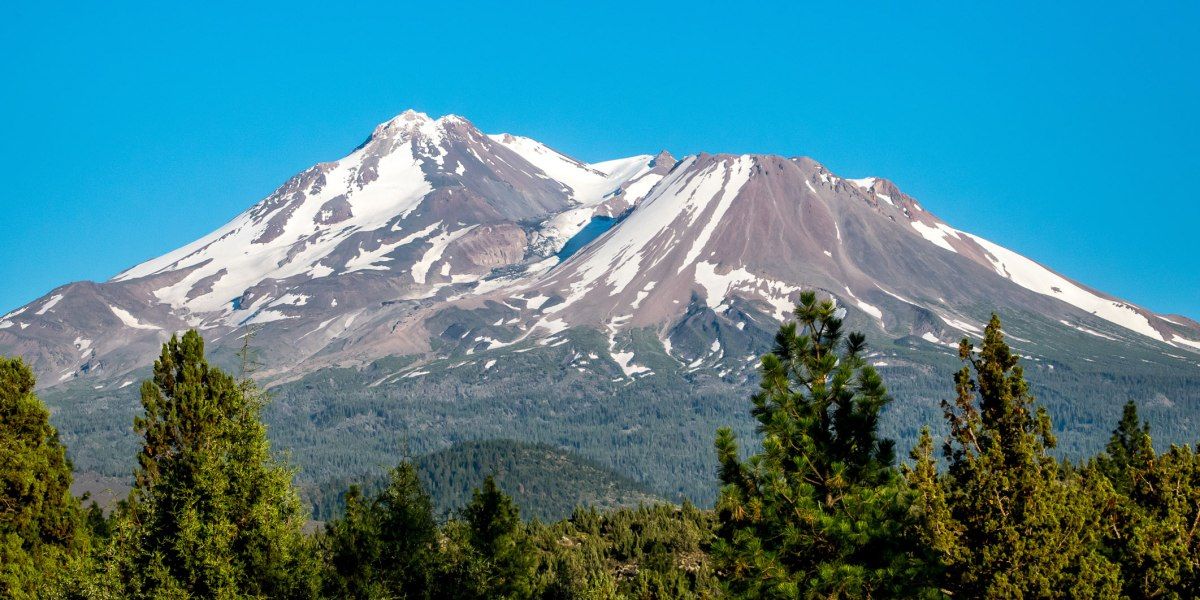
Imagine planning an epic adventure in Mount Shasta, California, with the help of an artificial intelligence assistant. Sounds like a modern and practical idea, right? That's exactly what three young hikers thought when they used Google Gemini to plan their expedition. However, the adventure did not go as expected.
The three set off at three in the morning, confident they would reach the summit before noon, as recommended. But reality was different: they only reached the peak at seven in the evening. And that’s when the real challenge began. Descending the mountain in the dark was not part of the plan, and the trio ended up calling the sheriff's office for help to find their way back. They spent the night in Mud Creek Canyon until they were rescued the next morning by forest rangers and volunteers.
The Role of Google Gemini in the Adventure
The question remains: to what extent was Google Gemini responsible for this confusion? According to the report from the Siskiyou County sheriff's office, Google’s chatbot allegedly suggested that the hikers bring far less food and water than necessary. What was supposed to be an eight-hour ascent turned into a multi-day saga.
Blindly trusting an AI to plan a nature adventure can be a dangerous mistake. The sheriff's office emphasized the importance of consulting the local forest ranger station before any trip and never relying solely on an AI for planning.
The Temptation of Automation
The story of these hikers is a clear example of how technology, when misused, can put us in complicated situations. Artificial intelligence is increasingly present in our lives, offering quick and convenient solutions. But, like any tool, it has its limitations. And in the case of a nature adventure, these limitations can have serious consequences.
Google Gemini, like many other AI assistants, is designed to make our lives easier, but it does not replace common sense and proper preparation. Planning a trail requires more than just data and algorithms. It requires experience, knowledge of the terrain, and often the intuition that only comes with practice.
Lessons Learned
What can we learn from this story? First, that technology is a powerful ally, but not infallible. Second, that preparation and planning are essential, especially in activities that involve risks. And lastly, that nature is unpredictable and demands respect and caution.
The adventure of the hikers in Mount Shasta serves as a reminder that, no matter how advanced technology is, it does not replace human prudence. Before trusting your safety to an AI assistant, it’s always good to have a backup plan, and perhaps, a paper map on hand.
In the end, artificial intelligence can be an incredible tool, but we still need to be alert and prepared for the unexpected. After all, adventure is made of surprises, and being ready for them is part of what makes the experience so valuable.
Comments (0)
Comments are moderated and if they violate our Terms and Conditions of use, the comment will be deleted. Persistence in violation will result in a ban of your account.