



Scandal at OpenAI: Employee Arrested for Espionage
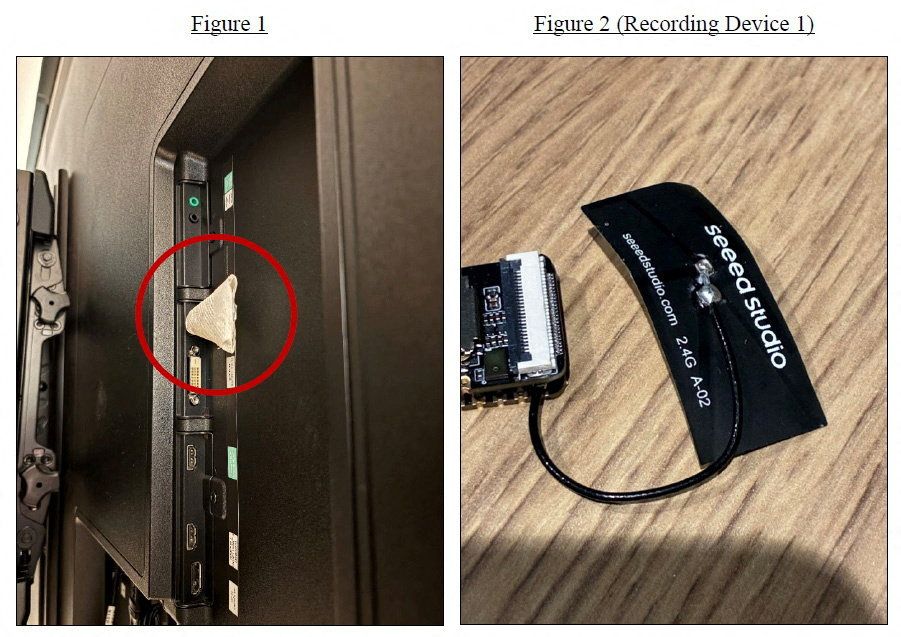
The tech world has been shaken by a scandal that calls into question the security of industry giants. An engineer at OpenAI, Abdulrahman Alfozan, was arrested by the FBI on charges of installing a listening device in a meeting room at the company’s San Francisco office. The discovery of the device, hidden behind a television, raises concerns about information security at a time when the race for leadership in artificial intelligence is more intense than ever.
Alfozan's arrest took place on October 9, just days after OpenAI's security team found the device during a routine inspection. The room where the device was installed is used for strategic and technical discussions, which heightens the severity of the situation. According to the U.S. Department of Justice, Alfozan was immediately fired after his arrest and is in federal custody.
The Technology Behind the Espionage
The device found, identified as a Seeed Xiao ESP32-S3 Sense, is a small development board equipped with a microphone, microSD card storage, and wireless transmission capability. Lennart Koopmann, a cybersecurity expert, highlighted that the simplicity and low cost of the device make it an effective tool for espionage. Detecting such a device requires specialized equipment to monitor wireless signals or a detailed physical inspection of environments.
Upon discovering the device, OpenAI used its own artificial intelligence models to analyze and identify the person responsible for the installation. The company also found evidence that Alfozan planned to use other similar devices to secretly record meetings in different areas of the office. Another device was found inside a bag left by him in one of the corporate buildings.
Implications and Reactions
The revelation that an OpenAI employee was involved in internal espionage is a wake-up call for all tech companies. In a statement, OpenAI said that, so far, there is no evidence that Alfozan accessed or extracted sensitive information such as model weights, source code, or customer data. However, the incident underscores the need for stricter security measures to protect confidential information.
Alfozan's defense attorney, William Pernik, argued that the charges are inconsistent with his client's history, who has studied and worked in the tech sector in the United States for years. Pernik emphasized that Alfozan has not been accused of stealing trade secrets or acting as an agent of a foreign government. The defense is prepared to contest the evidence presented by the government and seek to understand the real motivations behind the incident.
Security at Risk in Tech Companies
This case highlights the vulnerability of tech companies to internal threats, especially in an industry where innovation and competition are fierce. By involving the FBI and cooperating with investigations, OpenAI demonstrates the seriousness with which it is treating the incident. The expectation is that the company and others in the sector will strengthen their security practices to prevent similar situations from occurring in the future.
Alfozan is scheduled to return to court in San Francisco on October 19, where new information about the case may come to light. In the meantime, the tech sector is closely watching the developments, aware that information security is crucial to maintaining trust and integrity in an increasingly competitive and globalized market.
Comments (0)
Comments are moderated and if they violate our Terms and Conditions of use, the comment will be deleted. Persistence in violation will result in a ban of your account.