


Startup Founders Ask Trump Not to Block Chinese AI
A group of nearly 200 startups from Silicon Valley, including names like Proton and Y Combinator, is campaigning for the Trump administration not to cut access to China's open-weight artificial intelligence models. These startups fear that such a measure could stifle the next generation of American companies.
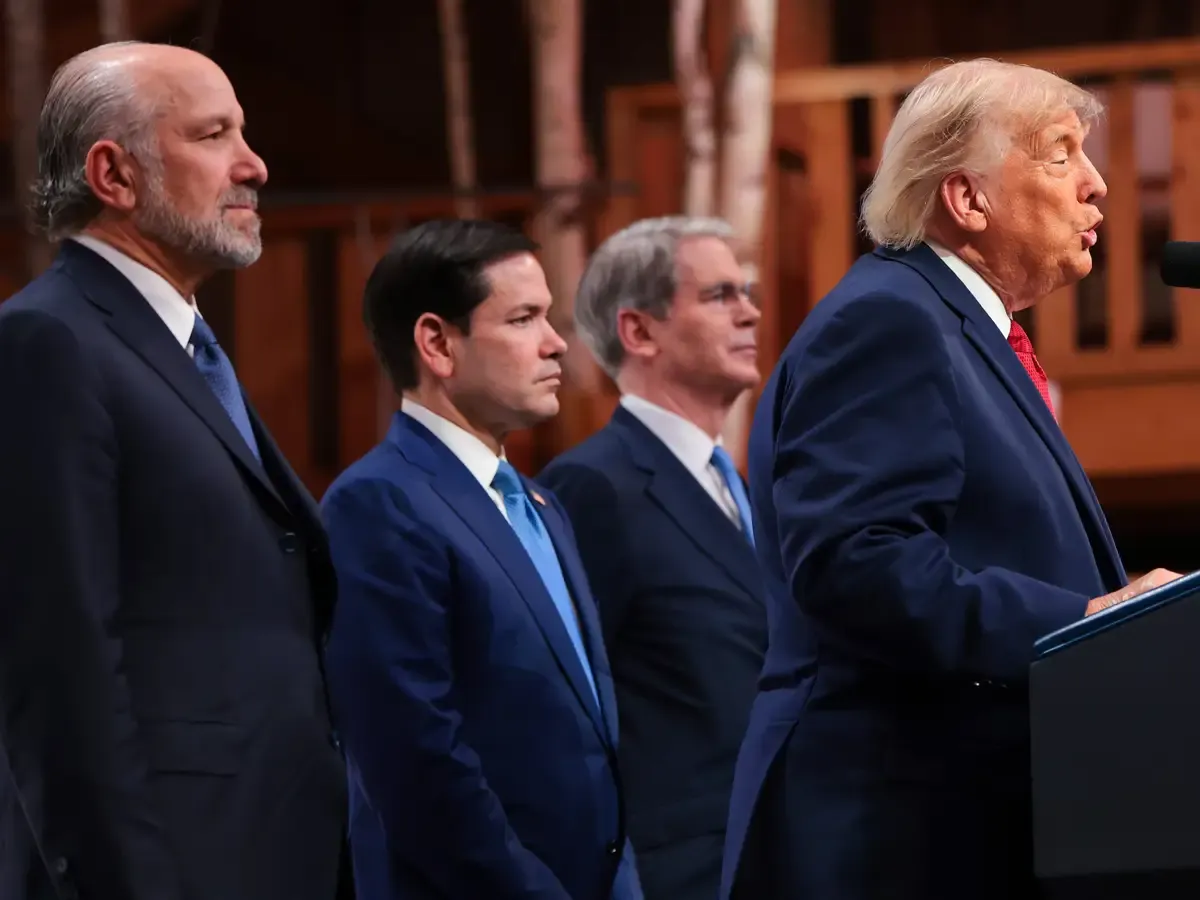
What’s at stake here is access to AI models whose weights are public, something that is becoming increasingly powerful. Chinese companies like Moonshot AI and Alibaba are leaders in this field. The newly formed Little Tech Association has sent letters to President Donald Trump, Secretary of Commerce Howard Lutnick, and other administration members, asking them not to block these models.
The founders argue that American leadership in AI depends on two things: cutting-edge open-weight models developed in the U.S. and continued access to open models already available globally. They suggest that instead of broad bans, the government should adopt targeted safeguards.
The Importance of Open-Weight Models
Open-weight models are fundamental for startups that do not have the resources to develop their own solutions from scratch. They serve as a foundation upon which new ideas and products can be built. It’s like having access to a public library of knowledge, where anyone can walk in and use the books to create something new.
Blocking access to these models would not prevent their proliferation, but it would weaken American startups. Founders fear that without access to these tools, Chinese companies could gain an even greater competitive advantage. And it’s not just a business issue. Innovation in AI has direct implications for the economy, security, and even global politics.
The Role of Politics in Innovation
The discussion surrounding open-weight AI models also raises questions about the role of government in technological innovation. On one hand, there are legitimate concerns about national security and the need to protect sensitive data. On the other, there is the risk that excessive regulations could stifle innovation and leave the U.S. behind in the global tech race.
Startup founders are calling for a balanced approach. They want the government to consider the long-term impacts of any decision and work together with the private sector to find solutions that protect both security and innovation.
The question now is: how can the U.S. ensure it does not lose its leadership position in AI while navigating these complex political waters? It’s a challenge that will require collaboration, vision, and perhaps a bit of boldness from all involved.
Comments (0)
Comments are moderated and if they violate our Terms and Conditions of use, the comment will be deleted. Persistence in violation will result in a ban of your account.