


Pentagon Adopts ChatGPT and Grok for Military Use
The Pentagon has taken a bold step in integrating artificial intelligence by launching its own versions of ChatGPT and Grok. Now, approximately 3 million civilian and military personnel have access to these generative AI tools, tailored to meet the specific needs of "combatants." This is not just a matter of technological innovation, but a calculated strategy to incorporate AI into the daily operations of the military sector.
These customized versions, called ChatGPT Mil and Grok for Government, are available on GenAI.mil, a secure and centralized portal that was launched last year. Initially, the portal offered Google Gemini, but now expands its offerings with these new additions. The goal is clear: to enable Department of Defense personnel to access cutting-edge AI models without exposing sensitive data to common consumption channels. And, unlike commercial versions, these military tools are not subject to data collection, a critical point when dealing with confidential information.
Security and Strategic Partnerships
GenAI.mil has already attracted over 1.7 million unique users within the Department of Defense, highlighting the popularity and utility of these tools. The idea is to accelerate work and give the Department of Defense a competitive edge, without compromising security. The absence of the Claude model from Anthropic is notable in this context. The company was labeled a supply chain risk by the Trump administration after refusing to grant the Pentagon unrestricted access to its AI tools. This underscores the importance of security and control.
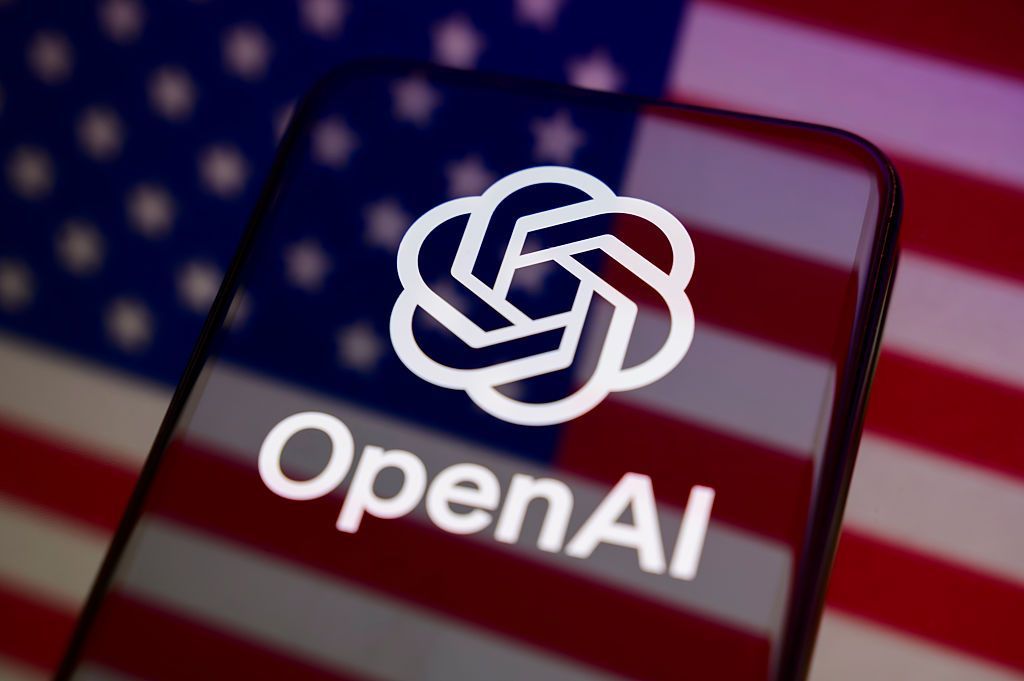
ChatGPT Mil, part of the OpenAI for Government program, offers a familiar experience to commercial users but focuses on administrative, logistical, and planning tasks. It is a tool that promises to evolve over time, adding new functionalities as needed.
Grok: A Tool for Missions
On the other hand, Grok is positioned more broadly and militaristically. According to the Department of Defense, Grok for Government, developed by SpaceX's Starshield AI, promises immediate productivity gains, knowledge continuity, and more secure and efficient collaboration. It is designed to enable armed forces to execute missions more quickly and accurately across various operational contexts, from market analysis to supply chain management.
An interesting detail is that the Pentagon is not alone in this endeavor. It has already formed partnerships with tech giants such as Amazon Web Services, Microsoft, Nvidia, and Reflection AI. This shows that the pursuit of improvements in AI capabilities is a high and ongoing priority.
AI: A New Era for the Military Sector
The launch of these tools marks a transformation in how artificial intelligence is being incorporated into military operations. It is not just about having access to cutting-edge technology, but doing so in a way that respects security and efficiency. The Pentagon is not just adopting AI; it is shaping how it will be used going forward.
With these initiatives, the Department of Defense is clearly seeking not only to keep up but to lead the digital transformation in the military sector. And, all indications are that this is a trend that will only continue to grow.
Comments (0)
Comments are moderated and if they violate our Terms and Conditions of use, the comment will be deleted. Persistence in violation will result in a ban of your account.