



OpenAI Proposes Donating 5% of Shares to U.S. Sovereign Fund
OpenAI, led by Sam Altman, is proposing something unusual: to donate 5% of its shares to a sovereign fund of the United States. According to the Financial Times, the idea is for other artificial intelligence companies to follow suit. But, as always, the devil is in the details. The proposal seeks to improve relations with the government and avoid negative political reactions.
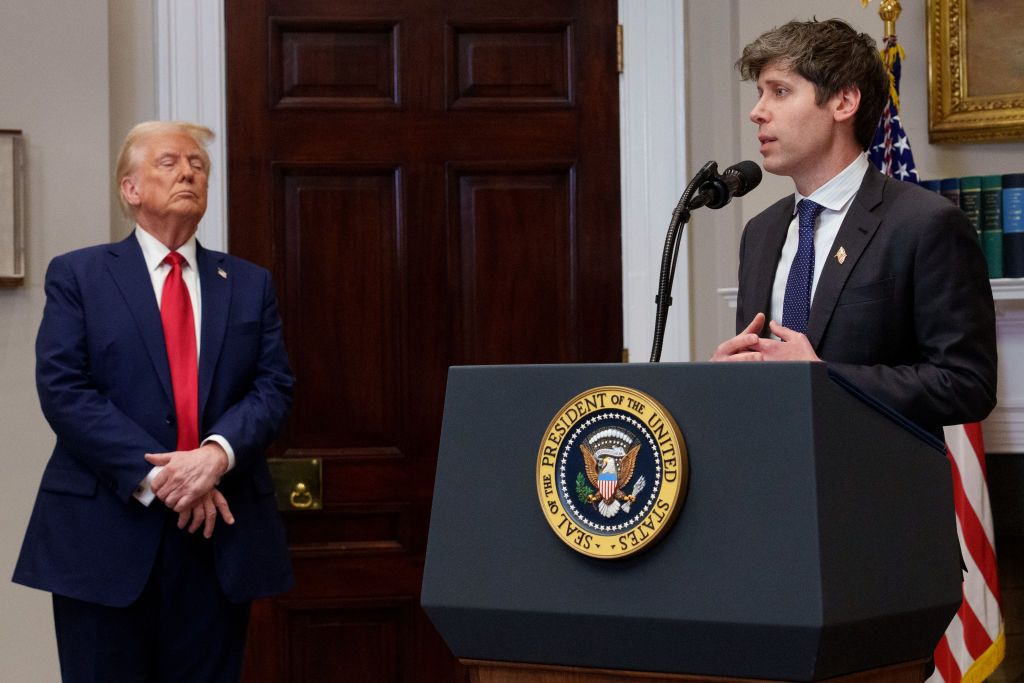
President Trump has already confirmed discussions about transforming the American public into a sort of partner of AI companies. This would allow citizens to directly benefit from the economic growth driven by artificial intelligence. However, the details are still murky, and any formal action would require Congressional approval, which would certainly complicate the scenario.
The Vision of a Public AI Fund
Sam Altman had already floated the idea of a public AI fund. In April, OpenAI released a document titled "Industrial Policy for the Age of Intelligence," proposing a public wealth fund to invest directly in AI labs and companies utilizing this technology. The idea is that the returns from this fund could be distributed directly to citizens, allowing more people to participate in the economic growth driven by AI, regardless of their initial wealth or access to capital.
Meanwhile, Senator Bernie Sanders has introduced an even bolder proposal: a flat 50% tax on the shares of AI companies, with the collected shares being deposited into a public wealth fund. The bill, called the American AI Sovereign Wealth Fund Act, would apply to all AI companies deemed "systemically important." Companies like Google and SpaceX, which have AI as part of their business, could separate their non-AI-related operations to avoid taxation.
The Potential Impact of These Proposals
Altman's proposals and discussions about a sovereign AI fund raise intriguing questions about the impact of artificial intelligence on society. If these ideas come to fruition, we could see a significant redistribution of the economic benefits generated by AI. This could transform the way we think about economic growth and public participation in the fruits of technological innovation.
However, implementing these proposals will not be an easy task. The need for Congressional approval and the complexities involved in creating a sovereign AI fund are considerable challenges. Still, the very discussion is already an important step toward rethinking how technology can benefit society as a whole.
As these ideas continue to evolve, it will be fascinating to observe how AI companies, the government, and the public react. OpenAI is clearly willing to lead this conversation, but the road ahead is still fraught with uncertainties and debates. What we know is that artificial intelligence will continue to play a central role in our lives, and how we choose to manage and distribute its benefits will be crucial in shaping the economic and social future.
Comments (0)
Comments are moderated and if they violate our Terms and Conditions of use, the comment will be deleted. Persistence in violation will result in a ban of your account.