


Zuckerberg's AI Manifesto and the Distrust It Fuels
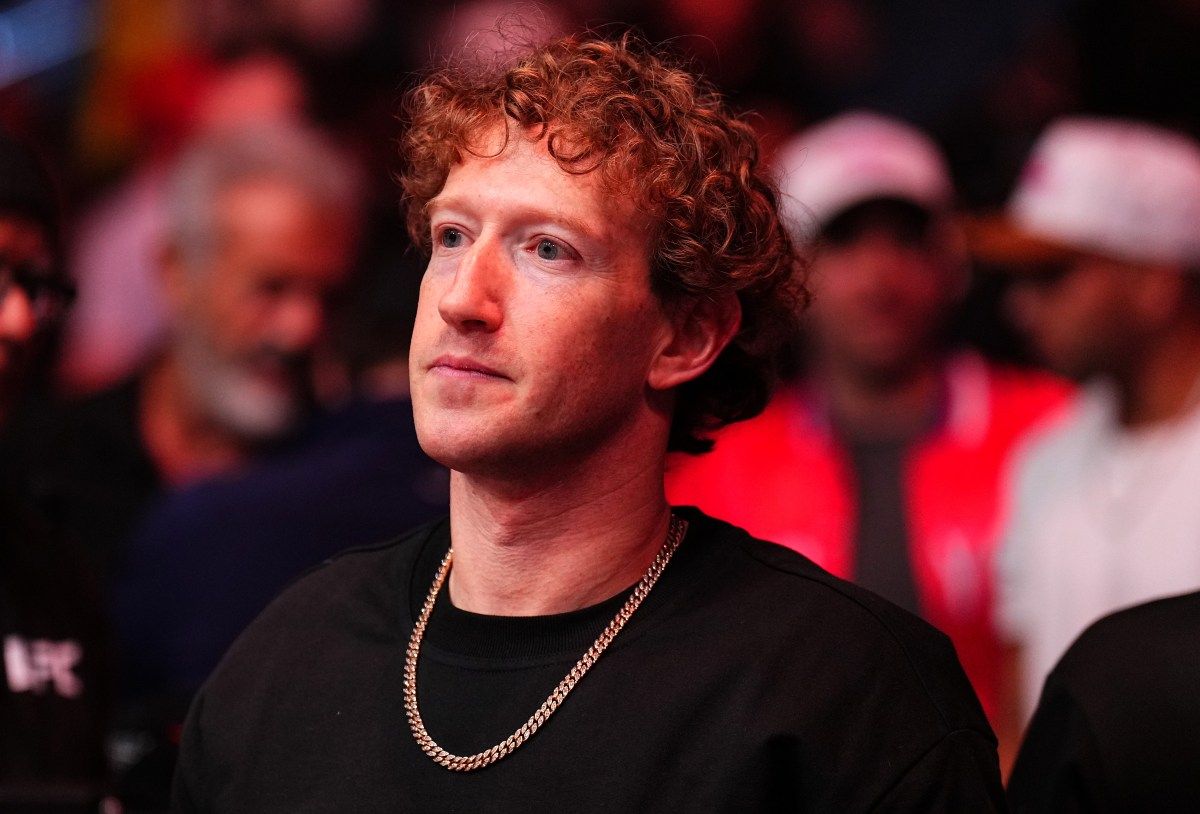
Mark Zuckerberg, the head of Meta, decided to share a 6,500-word manifesto on personal artificial intelligence. The text, which had already appeared in the Wall Street Journal and in Meta's earnings calls, is the most detailed version of his ideas about the "personal superintelligence" systems the company is developing. However, despite trying to paint a bright future, Zuckerberg ends up reminding everyone of the reasons why many still turn their noses up at AI.
The issue is that while Zuckerberg is excited about the transformations that AI can bring, a large part of the public still sees the technology as somewhat sinister. And his manifesto does little to change that perception. Trust in the tech sector is already shaky, and texts like this only reinforce the distrust.
The Legacy of Social Media and the Shadow Over AI
It cannot be ignored that social media, especially Facebook, has left a trail of controversies. A recent survey showed that 64% of Americans believe that social media has harmed democracy and should be more regulated. And in the midst of this scenario, Zuckerberg emerges with promises of a future shaped by AI, but without acknowledging the mistakes of the past.
The manifesto brings vague ideas about how superintelligence can balance conflicting interests and lead to positive outcomes. It even sounds like a philosophical discourse, but in practice, it is an attempt to sell a product called "personal intelligence." For those who are already skeptical, this sounds like an attempt at self-deception.
Unrealistic Examples
When Zuckerberg talks about AI in education, he imagines a world where everyone has a personal tutor with a PhD and infinite patience. But in reality, what we have are chatbots like ChatGPT, which are often used to do homework instead of teaching. Without a robust identification system, teachers cannot know which assignments were generated by AI. It is a simple yet real example of how technology can have unintended consequences.
Another example is the idea that AI can make the legal system fairer. If everyone had a superintelligent lawyer, justice would be more efficient, says Zuckerberg. However, this could also complicate the already complex legal system or create a flood of meaningless litigation. And the fact that Zuckerberg shows no concern about this only heightens anxiety.
The Business Model and User Experience
Zuckerberg also talks about Meta's freemium model, promising free or affordable access to AI tools. He mentions a dynamic auction mechanism to ensure the lowest possible price. But in practice, dynamic pricing can be a nightmare for the user, especially when it comes to an essential tool for work.
The feeling is that Zuckerberg is trying to sell an idealized future without recognizing the real challenges. Meanwhile, other industry leaders, like Sam Altman, are doing a better job of acknowledging the dangers of AI and trying to build trust with the public.
In the end, communication is crucial. Without trust, the AI sector may not withstand the inevitable stumbles. And manifestos like Zuckerberg's, instead of calming, only fuel distrust.
Comments (0)
Comments are moderated and if they violate our Terms and Conditions of use, the comment will be deleted. Persistence in violation will result in a ban of your account.