



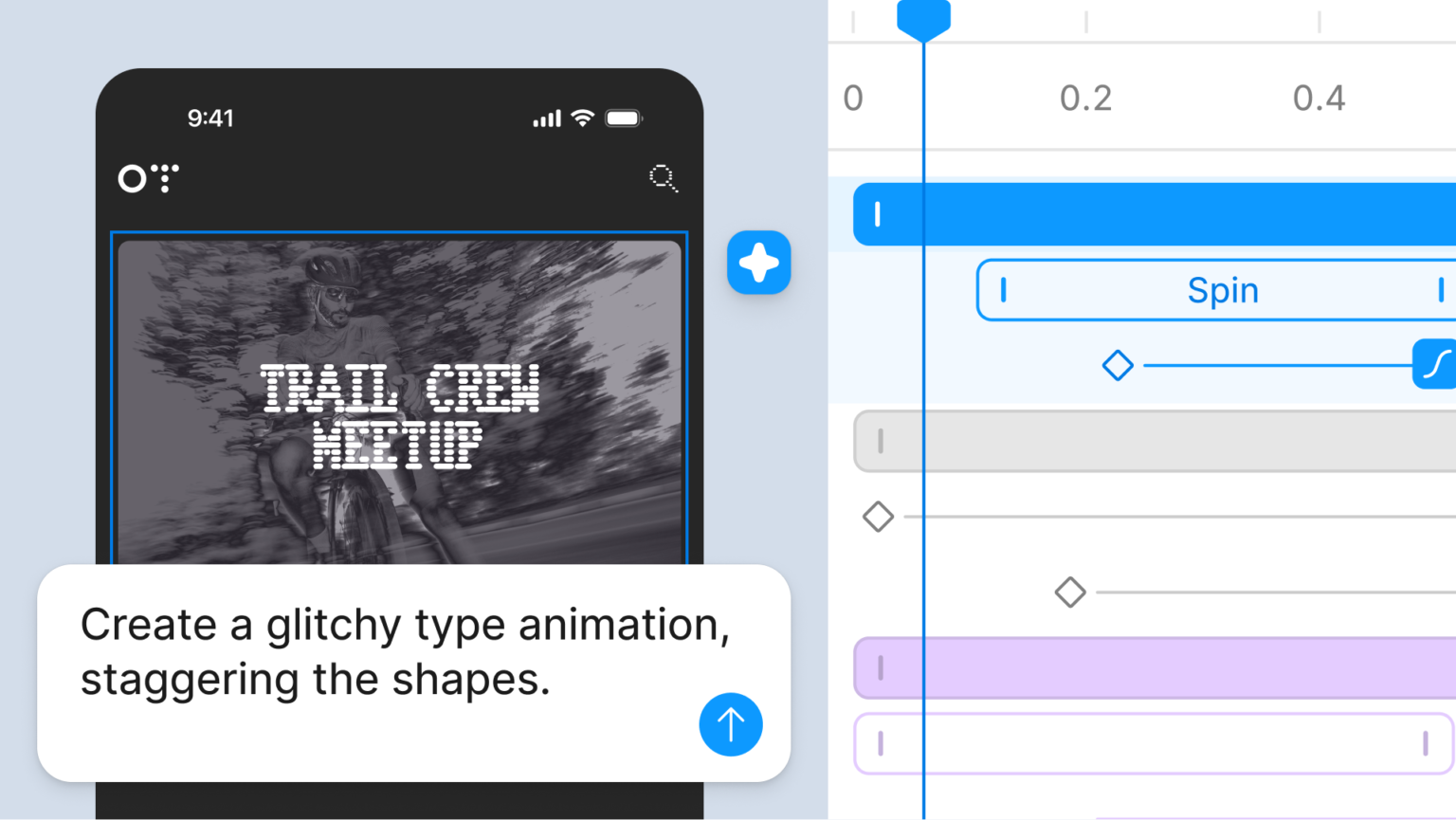
Figma challenges After Effects with AI-generated animation
The battle in the digital design world has a new protagonist. Figma, famous for its collaborative platform, is launching Motion, a tool that promises to compete directly with Adobe's After Effects. Announced at the Config event in San Francisco, this new feature brings AI-generated animations, transitions, and 3D transformations directly onto the Figma canvas. And the most interesting part: it already comes with production-ready code for implementation.
What makes this update stand out is its integration with design systems, allowing designers to create complex animations without leaving the Figma environment. This means less time wasted on exports and more focus on creativity. Dylan Field, founder and CEO of Figma, believes users will be impressed with the tool's capabilities. And that's not the only news.
New tools redefine digital design
In addition to Motion, Figma revealed other innovations that promise to revolutionize digital design. Code Layer, for example, allows cloning repositories and syncing changes, while Shader creates custom visual effects using WebGPU. And there is also Figma Weave, with over 20 integrated tools that facilitate consistent image generation directly on the canvas.
Essas inovações respondem a um cenário onde a inteligência artificial está borrando as fronteiras entre software e criatividade. O trabalho criativo está cada vez mais distribuído entre humanos e máquinas, e o Figma está se posicionando para liderar essa transformação. Os novos recursos serão liberados nas próximas semanas, com variações na disponibilidade.
AI fluency will be essential for professional success, according to Figma's annual report on artificial intelligence and design. The survey, which now includes countries like Brazil and India, reveals that 91% of designers and 96% of developers consider mastering AI crucial for the future.
A transformation in the design market
Figma's report highlights significant shifts in the labor market. The number of designers working in development almost doubled between 2025 and 2026, as did the number of developers venturing into design. This reflects a trend of overlapping roles, where AI skills become increasingly valuable.
Additionally, the proportion of professionals stating that at least half of their work involves AI doubled in the last year. It's not just a shift in how we work. It's a redefinition of what it means to be a design professional in the 21st century.
The Config event, celebrating its tenth edition, reflects this transformation. With over 10,000 attendees, it offers a program rich in content about the future of design and technology.
While Figma and After Effects clash in the animation field, the real winner may be the design market itself, which gains new tools and possibilities. And you, are you ready for this revolution?
Comments (0)
Comments are moderated and if they violate our Terms and Conditions of use, the comment will be deleted. Persistence in violation will result in a ban of your account.