



Ukrainian Drones and the New Frontier of Digital Warfare
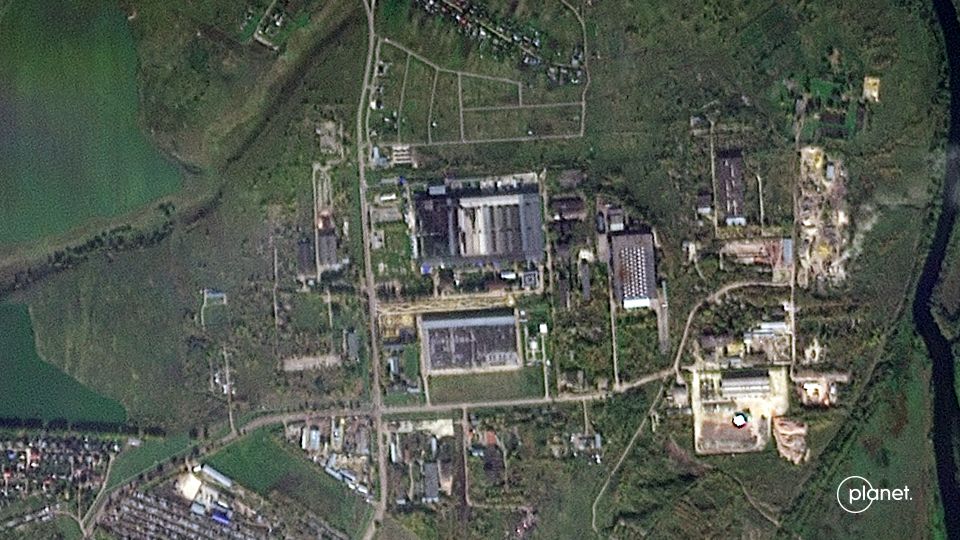
The war between Russia and Ukraine has entered a new technological chapter with the attack of Ukrainian drones on Yandex data centers, known as the "Russian Google." The attacks, which occurred on October 8 and 9, targeted two of the company's five data centers located in the Sasovo and Kaluga regions of Russia. This action was a direct response to the Russian campaign of attacks on Ukrainian data centers, which has caused significant disruptions to internet and mobile phone services in the country since late September.
Yandex, which operates the most popular search engine in Russia, is now facing difficulties in maintaining its artificial intelligence chatbot and other online services. The impact has been felt by many Russian users, who reported problems accessing media sites and popular applications, such as the streaming platform Ivi, the digital banking service T-Bank, and Russian Railways, according to the independent Russian publication Meduza.
Ukraine's Symmetrical Retaliation
Ukrainian President Volodymyr Zelenskyy highlighted the precision of the attacks in a post on the social media platform X, stating that Ukraine continues to respond to Russian attacks with symmetrical actions. The attack on the Kaluga data center, the largest of Yandex, involved the participation of FP-1 attack drones from the Ukrainian company Firepoint. The first Ukrainian attack targeted the Sasovo data center, which houses two of Yandex's three supercomputers used to train the YandexGPT artificial intelligence model.
Despite the damage, Yandex reported that no employees were injured. However, the attacks caused disruptions to various services, including a dating app, a real estate aggregator, a self-publishing platform for books, and the website of the most successful football club in the Russian Premier League.
The War of Data Centers
Data centers have become strategic targets in modern conflicts. In 2026, following attacks by the United States and Israel on Iran, Iranian drones destroyed several Amazon data centers in Bahrain and the United Arab Emirates. Russia, in turn, has conducted massive missile and drone attacks against Ukrainian cities, targeting energy infrastructure, transportation hubs, and even residential buildings since the beginning of the invasion in February 2022.
Facing a shortage of interceptor weapons, Ukraine has intensified its own campaign of medium and long-range drone attacks. These attacks target Russian military bases, supply lines, vessels in the Sea of Azov and the Black Sea, and Russian energy infrastructure, such as oil refineries. In the summer of 2026, Ukraine also attacked several warehouses of the Russian companies Wildberries and Ozon, equivalents to Amazon in Russia.
The Expansion of the Conflict
Ukrainian drone attacks are not limited to Russian territory. In a sign of the potential expansion of the conflict, coordinated attacks with aerial and maritime drones sank two commercial ships in the Black Sea, within the exclusive economic zones of NATO member countries Romania and Bulgaria, on October 5 and 6. President Zelenskyy attributed these attacks to Russia.
The digital war between Russia and Ukraine is redefining the boundaries of modern conflict, where technology and digital infrastructure have become weapons and strategic targets. The ability to attack and defend data centers may determine success or failure in a scenario where information is as valuable as territory.
Comments (0)
Comments are moderated and if they violate our Terms and Conditions of use, the comment will be deleted. Persistence in violation will result in a ban of your account.