



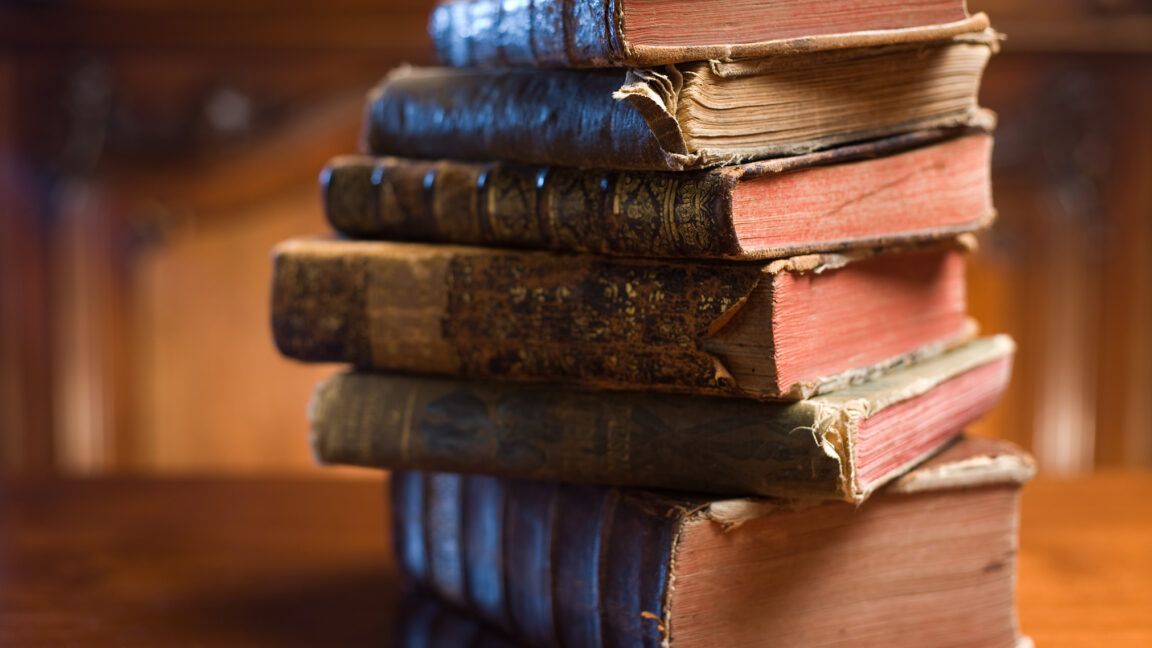
The Race of AIs and the Sacrifice of Rare Books
Imagine this: rare books, with their yellowed and fragile pages, being destroyed to feed the insatiable hunger of artificial intelligence companies. It sounds like a scene from a dystopian movie, but it is a real concern among booksellers and book lovers. The idea that these treasures are being shredded to train AI models is heartbreaking for any bibliophile.
The practice, although shocking, is a cheap and quick way to digitize books on a large scale. AI companies are desperate to advance their models, and the long and engaging texts of books are a valuable resource. However, for book enthusiasts, the loss of physical copies is irreparable. The detail is that it doesn't have to be this way.
The Technology Exists, But Is Not Used
Since 2009, Google has had a patented technology that allows books to be scanned without being destroyed. But, as with everything in life, there is a catch: the process is slower and more expensive. Moreover, it is not perfect. Issues like text distortion and missing pages are common. For AI companies, which seek efficiency and cost-effectiveness, this is not the ideal solution.
The Internet Archive, on the other hand, understands that digitizing old books requires time and care. They adopt an almost artisanal method, which preserves both the content and the physical integrity of the books. For those used to shortcuts, this approach may seem out of this world.
The Resistance of Booksellers
Booksellers' distrust is not unfounded. Recently, reports indicated that companies like ISBNdb are facilitating the bulk purchase of books for AI companies. This has generated a reaction on social media, with many questioning the intentions of tech giants.
Some companies, like OpenAI and Microsoft, are collaborating with libraries to preserve rare books. Elon Musk, for example, promised that his company xAI will not destroy rare books. But public trust is still fragile. The curious point is that, even with public promises, the definition of what constitutes a "rare book" remains nebulous.
An Uncertain Future for Rare Books
Booksellers like Tomás Kenny from Kennys Bookshop are taking a firm stand. They refuse to sell books to companies that might destroy them. For them, it is a matter of protecting authors' rights and ensuring that readers continue to have access to these works.
The hope is that public pressure will force AI companies to adopt more careful methods, like those of the Internet Archive. But the possibility that rare books may become even rarer is a concerning reality.
Eliza Zhang, who works at the Internet Archive, understands the value of these books well. For her, each collection is important. And it is this kind of passion that may be the key to preserving our literary heritage amid the technological race. After all, as Zhang says, each page tells a story that deserves to be preserved.
Comments (0)
Comments are moderated and if they violate our Terms and Conditions of use, the comment will be deleted. Persistence in violation will result in a ban of your account.