



Data Centers Under Pressure: Power Cuts Ahead
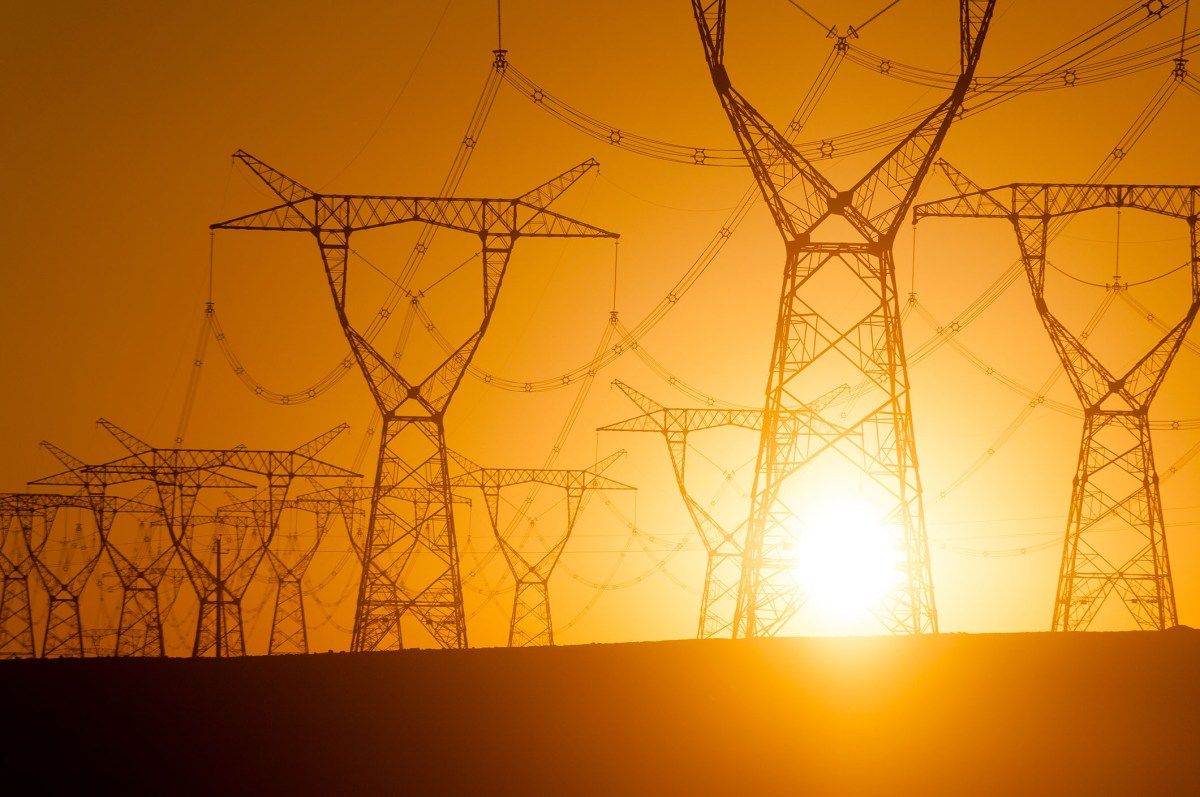
Data centers in the United States are about to face an unexpected challenge: temporary power cuts. The reason? To avoid blackouts in the country's largest power grid, managed by PJM Interconnection. The frantic race to build more data centers is putting tremendous pressure on power generation. After a failed attempt to increase generation capacity, PJM decided it will cut supply to data centers and other large consumers during periods of scarcity. The cuts are expected to begin in June 2027, but only for data centers with 50 megawatts or more.
This measure is part of a demand response program, something that has existed for decades and usually includes large consumers, such as factories. Those who have their power cut will be compensated. These programs typically notify customers in advance, from 30 minutes to a few days, depending on the expected demand. This should encourage many new data centers, and perhaps even existing ones, to seek their own on-site energy sources. Those who do not will likely rely on backup generators, which are more expensive and often more polluting.
The choice of diesel generators is common, as the fuel is widely available and can be stored on-site. Federal regulations allow the use of these generators for up to 50 hours annually for demand response events and up to 100 hours for emergencies and maintenance. Recently, Vantage Data Centers was criticized for allegedly coordinating with Virginia environmental regulators to question a report indicating that diesel generators could cause millions of dollars in health damages annually for those living near a 96-megawatt data center in Virginia.
The Impact on the Energy Market
PJM has faced criticism for how it manages new generation capacity and large consumers, including data centers. Its territory spans from Virginia to Illinois, serving 67 million customers. Over the past twelve months, wholesale electricity prices have nearly doubled, and PJM's independent market monitor blamed data centers for much of this increase. With expectations that data center energy consumption will quadruple by 2035, the pressure on the power grid is only expected to increase.
The scenario is clear: data centers need to prepare for a future of energy uncertainties. The search for sustainable and efficient solutions becomes not just a matter of cost, but of survival in the market. How technology and infrastructure will adapt to these changes is a question that still needs to be answered. But one thing is certain: the race for energy is far from over.
Comments (0)
Comments are moderated and if they violate our Terms and Conditions of use, the comment will be deleted. Persistence in violation will result in a ban of your account.