


China wants artificial intelligence in schools
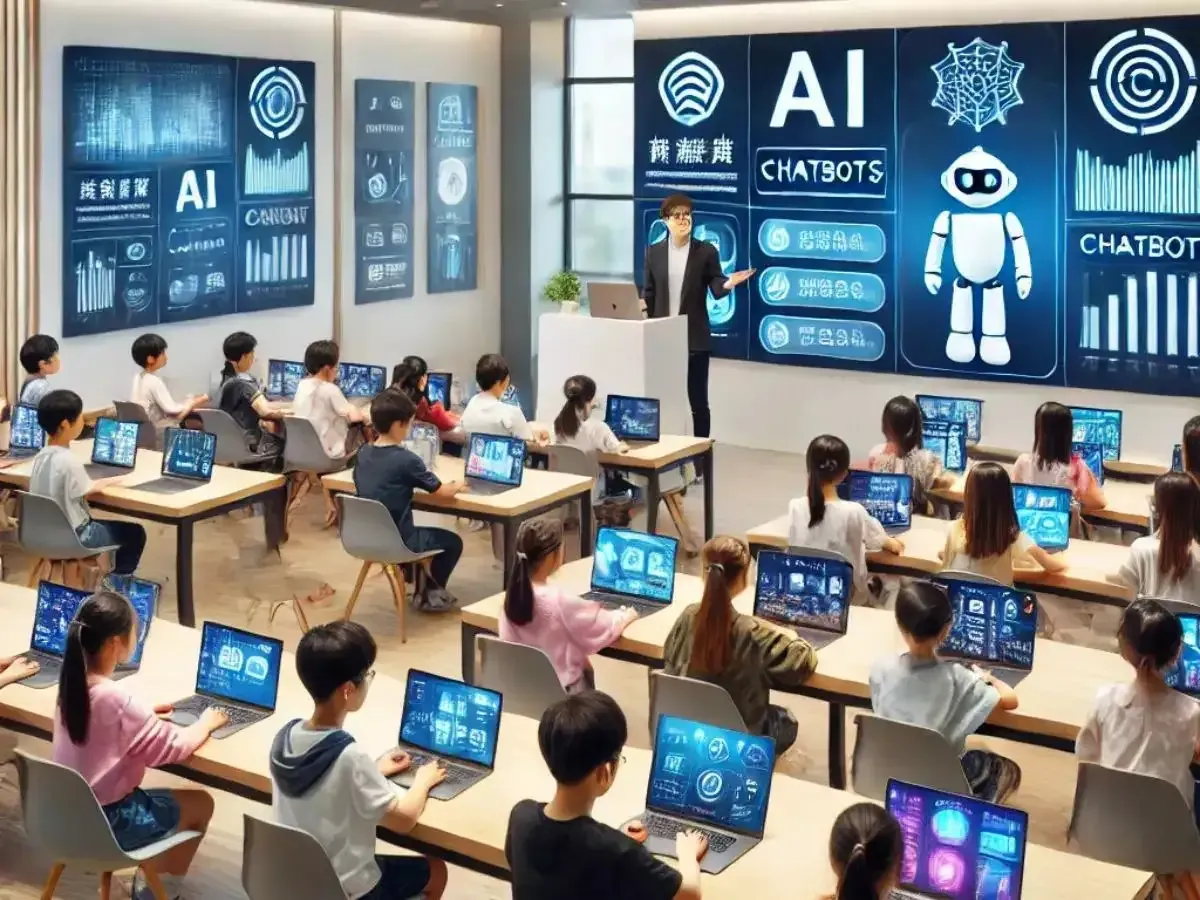
China is determined to integrate artificial intelligence at all educational levels. This decision is part of a broader strategy by Xi Jinping to boost technology in the country. It’s not just about teaching programming or robotics. It’s about preparing an entire generation for a future where AI will be ubiquitous.
The Chinese government has realized that to lead the global technological race, it needs to start from the ground up: education. They are implementing curricula that include AI from elementary school to university. This means that soon, elementary school students will already be familiar with concepts that many adults are still trying to understand.
The impact of this decision
But why this emphasis on AI? The answer is simple. Artificial intelligence is rapidly becoming the engine that drives innovation in almost every sector. From healthcare to finance, transportation to entertainment, AI is transforming the way we live and work.
China wants to ensure that its future workforce not only keeps up with this transformation but leads the way. This puts pressure on other countries to rethink their educational approaches. After all, who wouldn’t want to be at the forefront of technology?
The challenge of teaching AI
Integrating AI into education is no easy task. It requires trained teachers, updated curricula, and, of course, investment. China is willing to face these challenges. They are developing specific teaching materials and training teachers to ensure that AI education is effective and accessible.
Moreover, there is a concern about ethics and safety. Teaching AI also means addressing issues like privacy, algorithmic bias, and the social impact of automation. It’s not enough to know how to program an AI; it’s essential to understand its implications.
What this means for the rest of the world?
The Chinese initiative could serve as an example for other countries. If China succeeds in integrating AI at all levels of education, it could redefine the global innovation landscape. Countries that do not keep up with this movement may find themselves at a competitive disadvantage.
The race for technological supremacy is more intense than ever. And education is the key to winning this race. Therefore, the question remains: how will other countries respond to this challenge? Will they follow the Chinese example or seek their own solutions to integrate AI into education?
Comments (0)
Comments are moderated and if they violate our Terms and Conditions of use, the comment will be deleted. Persistence in violation will result in a ban of your account.