



China bets on clean energy for data centers
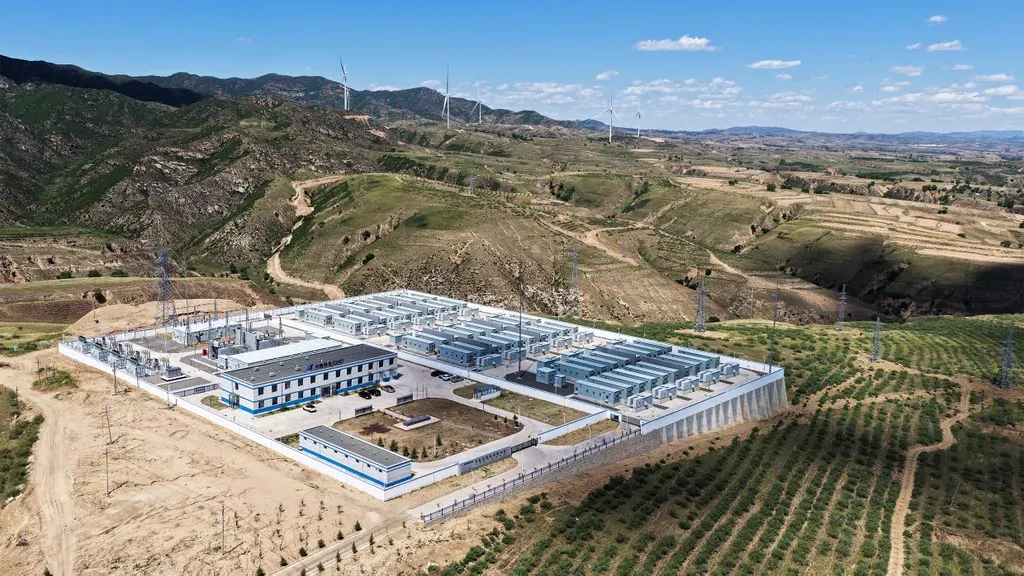
China is transforming its data center landscape with a strategy that places clean energy at the core of operations. While the United States still debates the economic viability of renewable energies, China is advancing with a national policy that prioritizes the use of clean sources to power its artificial intelligence infrastructures. In regions like Inner Mongolia, data centers are already connected to 200 megawatts of wind energy and 100 megawatts of solar energy, in addition to 45 megawatts of battery storage. This is not an isolated case. In Qinghai, a pilot center operates entirely with a solar microgrid. And in the north of the country, a data center benefits from 500 megawatts of solar energy and 1.5 gigawatts of wind energy.
The difference is that in China, this is part of a national strategy. The country has created large data center hubs within its "East-West Computing Strategy," which prioritizes the construction of these structures in areas rich in renewable energy. All new data centers must ensure that at least 80% of their electricity comes from clean sources. In May, the Chinese government released a plan with 29 measures to increase the use of clean energy in these centers. The goal is clear: to build a clean and comprehensive energy system by 2030, not only for data centers but for all uses. This reflects a serious concern about climate change, as pointed out by Kyle Chan from the Brookings Institute. Although China is the largest emitter of climate pollution in the world, any improvement has a significant impact.
The goal is for renewable energy generation to grow by 53% by 2030, while coal and oil consumption is expected to peak in the same year. In the United States, the situation is different. The Trump administration made it harder to build clean energy and attempted to revive coal plants, even with the lower costs of renewables. Data centers are a key piece in China's broader plan. It is estimated that the country will more than double electricity consumption in these centers by 2030. Another study suggests that energy use in the sector could triple, reaching 600 terawatt-hours, more than the current consumption of all of Germany.
However, compared to China's total electricity consumption, which is dominated by factories, this is still a small fraction. China has been rapidly building clean energy for industry for years, putting it in a favorable position to expand even further. In the United States, electricity demand has been stable for decades, and the sudden increase caused by AI is a shock to the grid.
China is showing that it is possible to integrate cutting-edge technology with sustainability. As the world watches, the lesson is clear: innovation does not have to come at the expense of the planet. The question now is: will other countries follow this example?
Comments (0)
Comments are moderated and if they violate our Terms and Conditions of use, the comment will be deleted. Persistence in violation will result in a ban of your account.