


ChatGPT is the darling tool of Congress
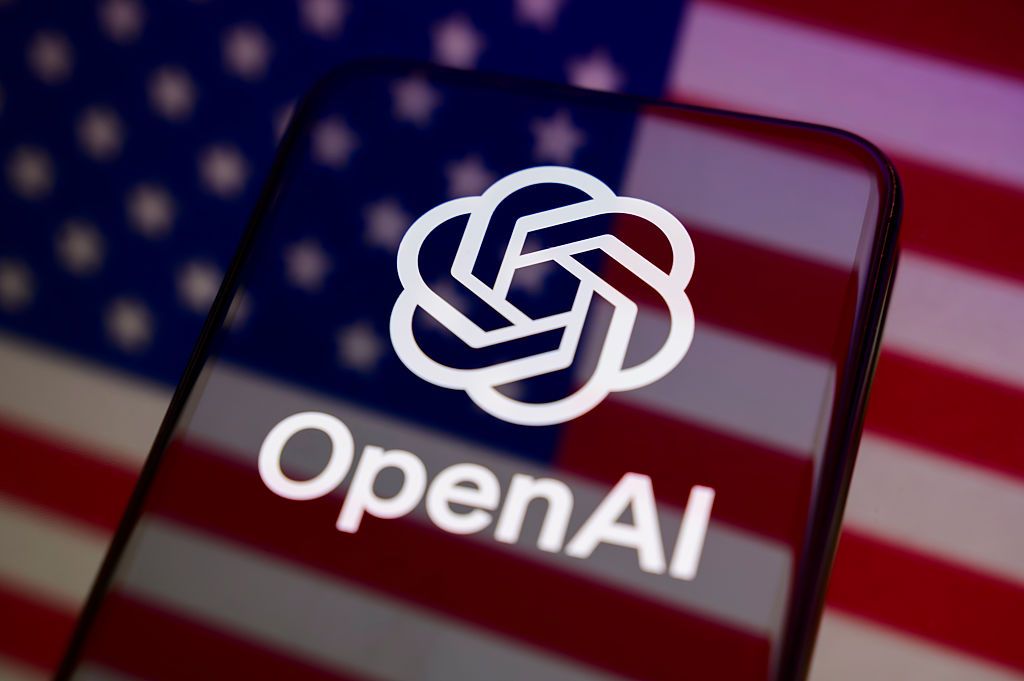
The United States Congress has a favorite artificial intelligence tool, and it’s no surprise to anyone: ChatGPT. According to a report from CNBC, OpenAI, the creator of ChatGPT, captured about 90% of all spending on AI tools by the offices, committees, and institutional accounts of the House of Representatives in the year ending March 31. To be more precise, Congress spent approximately $100,580 in 798 transactions solely on ChatGPT, out of a total of at least $113,740 in AI spending.
Meanwhile, Anthropic, with its Claude model, came in second, but far behind, with $13,160 spent in 37 transactions. And here’s an interesting fact: Democratic offices were responsible for $54,165 of this AI investment, three times more than the $15,782 spent by Republicans. It’s worth noting that these numbers do not include the use of free accounts or AI tools that come as part of broader software contracts.
ChatGPT is not just there to decorate the desks of congress members. It is used to write memos, summarize and analyze legislation, respond to constituents, prepare materials for hearings, scour political research, and even draft social media posts.
Why does ChatGPT lead the race in Congress?
The preference for ChatGPT is not just a matter of fashion or trend. OpenAI’s tool has proven to be extremely versatile and effective in various tasks that are part of the daily routine of Congress. From drafting complex documents to more direct interaction with the public, ChatGPT has stood out for its ability to simplify processes and save time.
And that’s not all. The ease of use and the continuous learning capability of ChatGPT allow it to quickly adapt to the specific needs of each office. Not to mention the resource savings, as the automation of routine tasks frees up staff to focus on more strategic issues.
The impact of AI on the political landscape
The adoption of AI tools like ChatGPT is transforming the way legislative work is conducted. It’s not just about efficiency, but a paradigm shift in the interaction between government and technology. AI is becoming a powerful ally in public policy formulation, enabling faster analyses and more informed decisions.
But what does this mean for the future of politics? The trend is that artificial intelligence will become increasingly integrated into the legislative process, influencing everything from law creation to communication with the public. This could lead to a more agile and responsive government, but it also raises questions about transparency and accountability in the use of these technologies.
The fact is that ChatGPT and other AI tools are here to stay, and their influence in the United States Congress is just the beginning of a broader transformation. The question that remains is: how will other governments around the world react to this digital revolution?
Comments (0)
Comments are moderated and if they violate our Terms and Conditions of use, the comment will be deleted. Persistence in violation will result in a ban of your account.