


OpenAI and the Revolution of App Stores
At the recent OpenAI Dev Day, the company revealed an audacious plan that could transform the way we interact with applications. While the focus was on its autonomous assistants, the Dots, and new artificial intelligence models, the real impact lies in the potential disruption of the traditional app store model.
ChatGPT as an App Hub
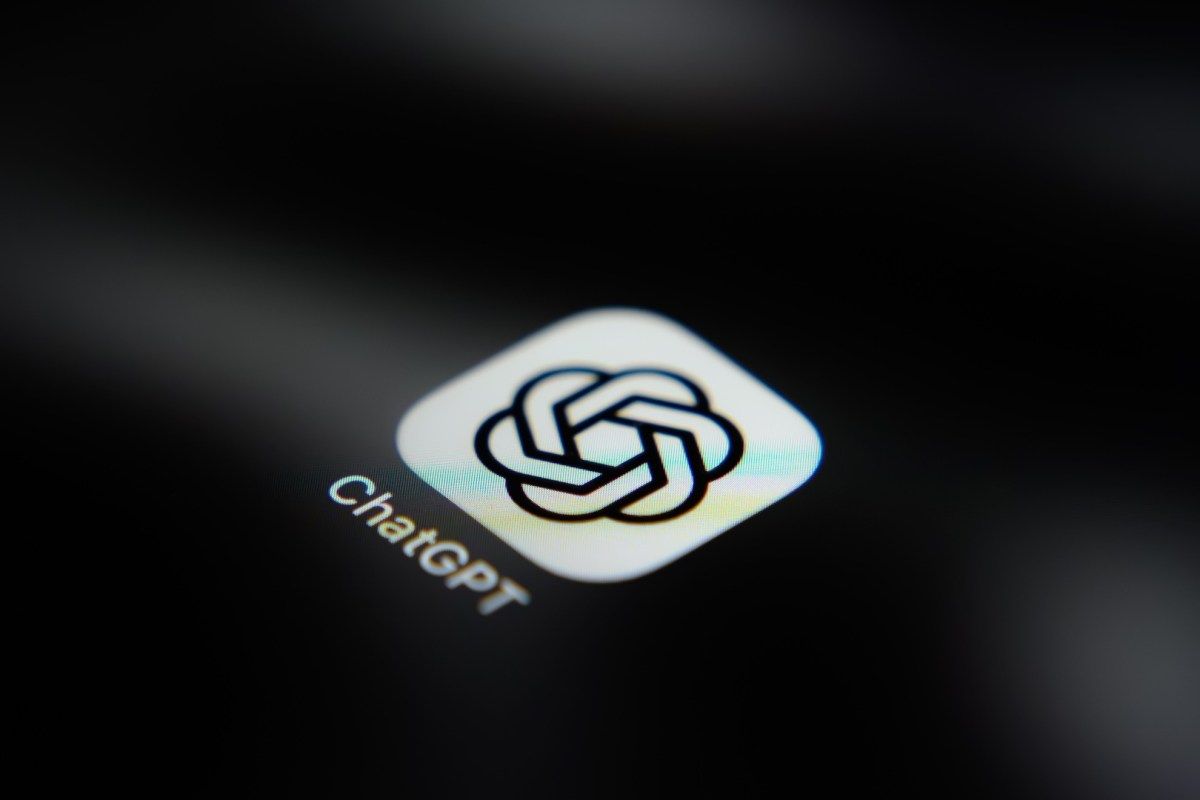
OpenAI is transforming ChatGPT into a central point for software discovery and usage. Imagine a world where, instead of downloading applications from a digital store, you simply converse with a chatbot that suggests and integrates the necessary apps directly into the interface. With 1.2 billion weekly users, ChatGPT has yet to explore its full potential as a discovery mechanism, but that is about to change.
Now, ChatGPT not only suggests applications during conversations but also allows users to connect and use them directly on the platform. This is made possible by the expansion of ChatGPT's plugin architecture, which now supports extensions. Developers can create native versions of their applications to be used within ChatGPT, turning it into a distribution channel that cannot be ignored.
The New Era of Autonomous Assistants
In addition to transforming ChatGPT into an app hub, OpenAI is introducing the Dots, autonomous assistants that perform tasks on the web for you. Each Dot has its own computer and cloud browser and can use connected applications to perform tasks. This means that instead of searching for and installing different applications to manage projects, you simply tell the Dot what you need, and it does the work.
The Dots are proactive, offering help with projects or problems, but always with user approval. They conduct "proactive searches" in the background, using connected applications in read mode, but the final control of actions remains with the user.
A New Channel for Developers
For developers, this change represents a unique opportunity to reach users outside of the traditional app stores of Apple and Google. OpenAI has launched a new marketplace for business applications, where partners can offer their services. With over 30 partners already participating, including Adobe and Salesforce, the marketplace promises to be a vibrant space for innovation.
Users also have incentives to adopt this new channel, being able to use their "ChatGPT identity" and existing AI quota in third-party applications. This facilitates personalization and continuous use of services, without the need for multiple subscriptions or logins.
New Paths for the App Market
Although OpenAI has not announced a billing or revenue-sharing system comparable to traditional app stores, the company is clearly laying the groundwork for a new ecosystem of discovery, distribution, and application interface. What this means for the future of app stores remains to be seen, but one thing is certain: the way we interact with software is about to change radically.
OpenAI is leading us into a future where artificial intelligence not only assists but redefines how we access and use technology. And, as always, innovation comes with the promise of making our lives simpler and more efficient.
Comments (0)
Comments are moderated and if they violate our Terms and Conditions of use, the comment will be deleted. Persistence in violation will result in a ban of your account.