



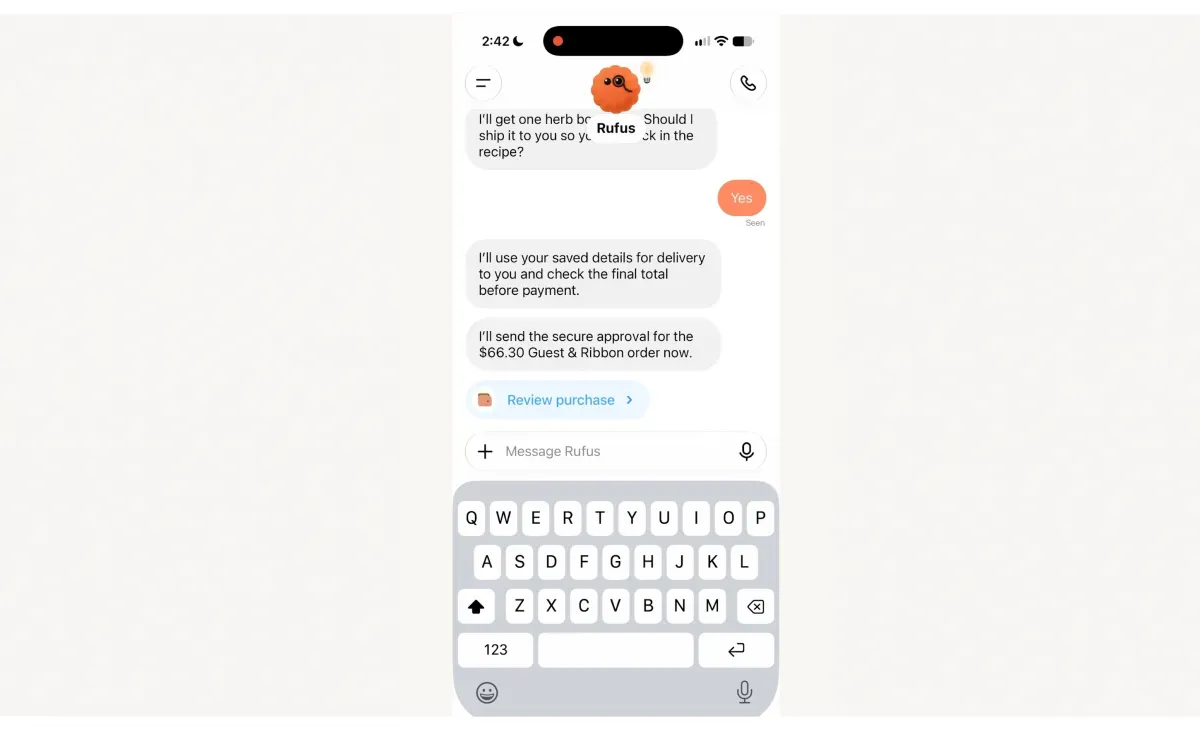
ChatGPT Now Shops for You: OpenAI's New Wallet
Imagine asking ChatGPT to shop for you. It sounds futuristic, but it's already a reality. Last Friday, OpenAI launched a digital wallet feature that allows its agents, called "dots," to help you decide what to buy and complete the purchase on your behalf. Initially, this option will be available to a limited number of ChatGPT Pro subscribers in the United States, aged 18 and older, who have a Visa, Mastercard, or American Express card issued in the U.S.
OpenAI ensures that users maintain full control over purchases. Before finalizing any transaction, it is possible to review the items, the total amount, and the payment card that will be used. Additionally, purchase approvals are done directly by the user through a security verification, such as Face ID or fingerprint, which creates a record of the transaction.
The Market for AI-Assisted Shopping
The introduction of this feature comes at a time when consumer-focused AI tools are seeking to find the ideal fit between product and market, helping people become more efficient in their daily tasks. While companies like DoorDash and Uber still report low numbers of orders made by AI agents, Meta's Muse, which already has over 10 million users, has seen AI-assisted shopping become one of the main activities in its app.
Other personal AI agents, such as Instinct, also offer support for making purchases on behalf of users. It’s no surprise that OpenAI wants to delve deeper into this space with its own assisted shopping feature.
How the New ChatGPT Wallet Works
To get started, ChatGPT subscribers must add their eligible payment cards to the new ChatGPT Wallet and then ask their "dot" to assist with a purchase. This process is done only once; there is no need to re-enter payment information for each new purchase. At the time of the transaction, the ChatGPT Wallet charges the selected card using a payment token, which replaces the user's actual card data, ensuring that this information is not shared with either the "dot" or the merchant.
The merchant automatically receives what is necessary to process the order, such as the delivery address and contact information. OpenAI emphasizes that customers who shop via their "dots" continue to earn rewards from their credit cards and can enjoy the typical protections that come with cards, such as the ability to dispute transactions.
Challenges and Future of AI-Assisted Shopping
The limited availability at launch will allow OpenAI to test and improve the feature before expanding it. In the future, the company plans to give users more control over the feature, allowing them to set spending limits or configure other parameters around purchase categories or time periods, so they can pre-approve purchases that their agents can then manage more autonomously.
OpenAI also intends to make the assisted shopping feature an option at a larger number of supported retailers. This could be a challenge in some areas, where retailers are blocking AI agents from using their websites. In the shopping landscape, the largest retailer to ban AI agents is Amazon, which seeks to direct users to its own AI agent, Alexa.
To help retailers adapt to agent-assisted commerce, OpenAI has also published a "Commerce Partner Playbook," which offers tools and guidance for websites that want to support customers using agents. The arrival of this feature could transform the way we interact with online commerce, making shopping faster and safer.
Comments (0)
Comments are moderated and if they violate our Terms and Conditions of use, the comment will be deleted. Persistence in violation will result in a ban of your account.