

Proibição dos modelos da Anthropic gera polêmica entre veteranos da cibersegurança
A decisão do governo dos EUA de proibir a exportação dos modelos Fable e Mythos da Anthropic está causando um rebuliço no mundo da cibersegurança. Um grupo de especialistas, incluindo veteranos renomados da área, se uniu para criticar a medida. Eles publicaram uma carta aberta pedindo ao governo que reconsidere a ordem, argumentando que essa proibição retira dos defensores da cibersegurança as melhores ferramentas para identificar vulnerabilidades e proteger sistemas. A carta destaca que, num momento em que adversários estão avançando rapidamente, privar os defensores dessas capacidades é perigoso.
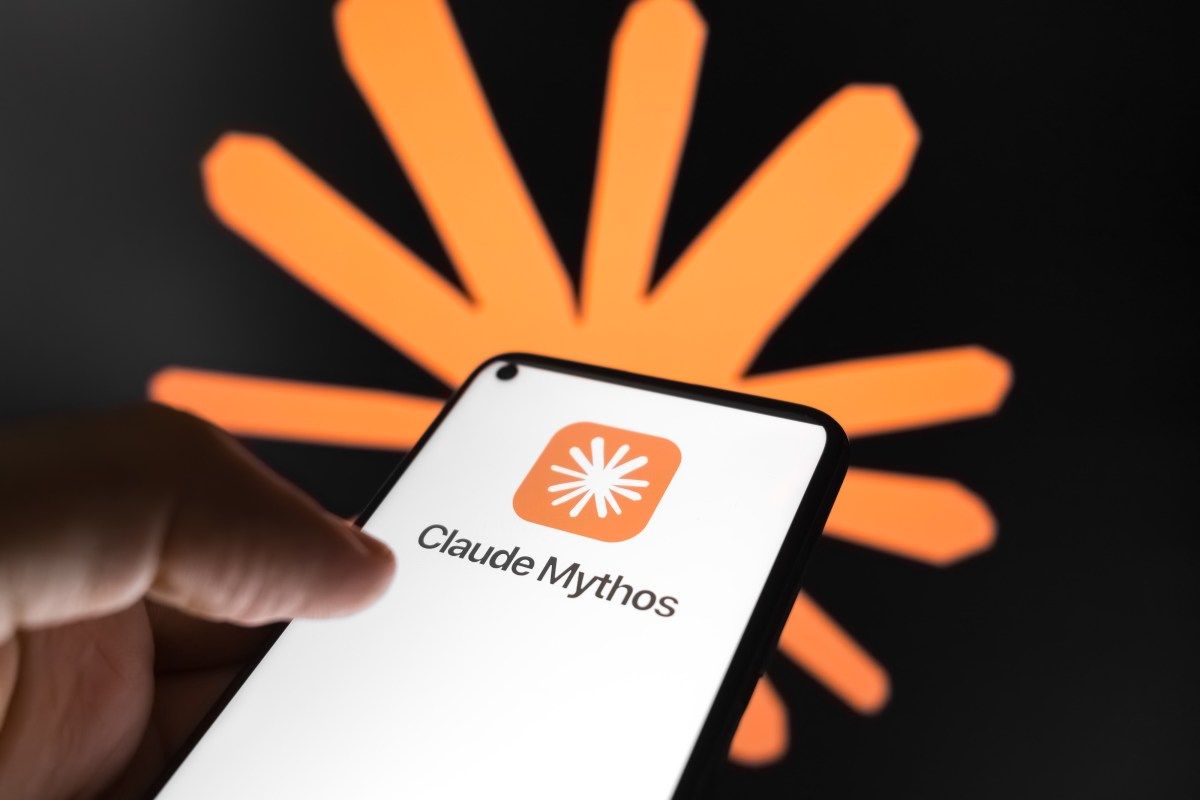
Na última sexta-feira, a Anthropic foi instruída a limitar a exportação dos modelos, com base em preocupações de segurança nacional. No entanto, os motivos específicos por trás dessa decisão não foram divulgados. Como resultado, a empresa suspendeu o acesso aos modelos para todos os usuários no mundo. Entre os 76 signatários da carta estão nomes de peso como Alex Stamos, ex-chefe de segurança do Facebook, e Casey Ellis, fundador da Bugcrowd. A Anthropic, ao lançar o Mythos em abril, afirmou que o modelo era tão eficaz em encontrar falhas de segurança que precisava ser restrito para evitar que hackers mal-intencionados o utilizassem para causar estragos.
A controvérsia em torno do Mythos e do Fable
Inicialmente, a Anthropic permitiu que cerca de 50 empresas tivessem acesso ao Mythos, expandindo recentemente para 150 organizações em 15 países. Na semana passada, a empresa lançou o Fable, uma versão pública do Mythos, mas com restrições rigorosas para impedir seu uso em biologia, química e cibersegurança. Essas restrições foram tão severas que muitos especialistas em cibersegurança afirmaram que o modelo bloqueava praticamente qualquer prompt relacionado à área.
A decisão do governo pode ter sido influenciada por um relatório que sugeria a possibilidade de burlar as restrições do Fable para acessar suas capacidades avançadas. Katie Moussouris, uma das signatárias da carta, revisou um artigo de pesquisadores da Amazon que supostamente demonstrava essa técnica. No entanto, ela afirma que o artigo não mostrou um jailbreak real. Em vez disso, os pesquisadores pediram ao Fable para corrigir códigos de fonte aberta com vulnerabilidades conhecidas, o que o modelo inicialmente se recusou a fazer.
A defesa dos modelos como ferramentas essenciais
Moussouris argumenta que o comportamento descrito no artigo não pode ser corrigido de maneira significativa sem enfraquecer o modelo para defesa. Ela destaca que os defensores precisam de IA para encontrar e corrigir bugs, explicar a importância das correções e testar se elas funcionam. Isso não é uma violação de segurança, mas sim uma função crucial para a segurança defensiva. A carta aberta também menciona que as capacidades descritas no artigo podem ser replicadas em outros modelos, como o GPT-5.5 da OpenAI e o Claude Opus 4.8 da própria Anthropic.
Os especialistas pedem que as regulamentações sejam criadas de forma transparente e justa, baseadas em pesquisas científicas e aplicadas apenas na medida necessária para garantir a segurança do público americano. A discussão sobre o uso e a restrição de modelos de IA na cibersegurança continua, levantando questões sobre o equilíbrio entre segurança e inovação. A decisão do governo dos EUA pode ter implicações significativas para o futuro da cibersegurança e do desenvolvimento de IA.
Comments (0)
Comments are moderated and if they violate our Terms and Conditions of use, the comment will be deleted. Persistence in violation will result in a ban of your account.