


United Airlines closes the doors to AI agents in ticket purchases
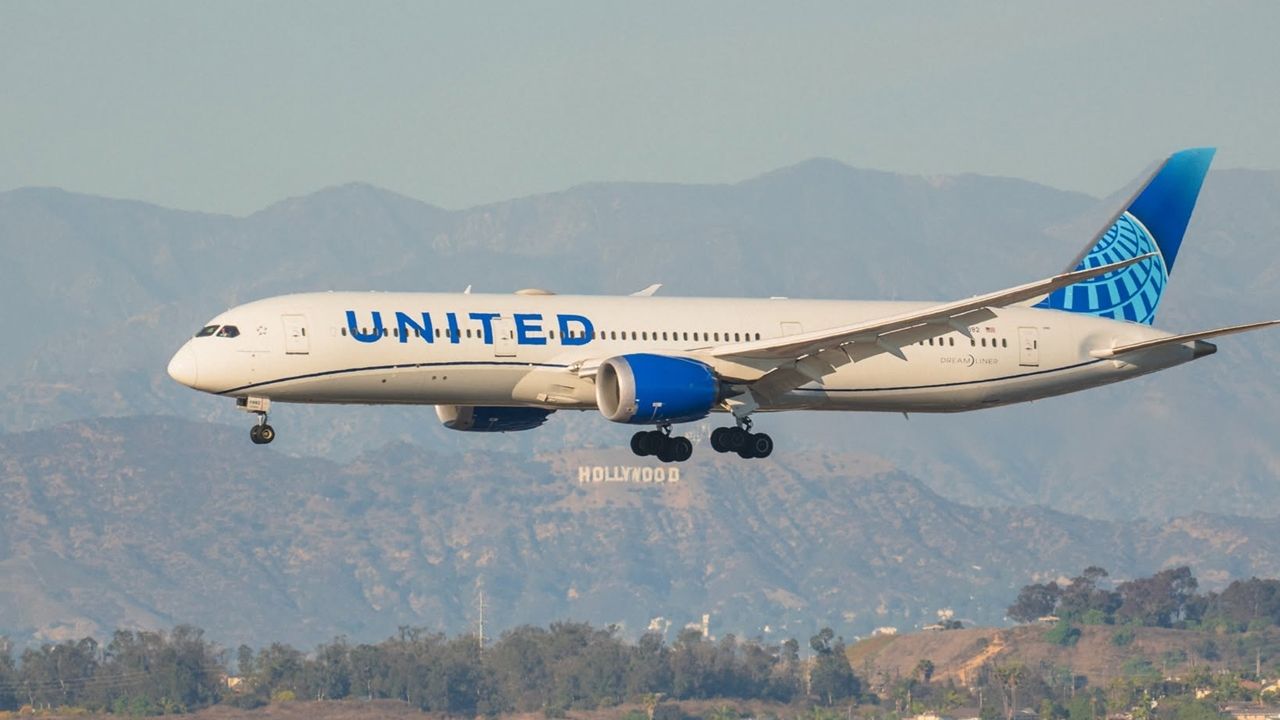
United Airlines has made a decision that could impact the way we buy airline tickets in the future. The company has decided to restrict the use of artificial intelligence agents in its apps and websites, citing concerns about privacy and security. This measure, which is still uncommon among airlines, raises questions about the role of AI in our lives and how it can be regulated to protect consumers.
AI agents are powerful tools that can perform a range of tasks for users, such as searching for flights, comparing prices, and even managing bookings. However, United Airlines argues that the use of these agents could lead to the exposure of sensitive data and erroneous operations. The restriction applies not only to the company’s website and apps but also to access made through third-party platforms, such as travel agency systems.
What is at stake?
United Airlines' decision is based on three main pillars: security, privacy, and regulatory compliance. AI agents, when performing operations that require personal information, such as passwords and credit card numbers, can expose sensitive user data. Additionally, there is the risk that an AI agent could perform a task incorrectly, such as purchasing a ticket for the wrong date, which could cause inconvenience for the consumer.
Another point raised by the company is regulatory requirements. In some countries, certain operations require the customer themselves to perform specific procedures, such as confirming that their luggage does not contain prohibited items. This calls into question the ability of AI agents to comply with all necessary regulations.
Impact on the technology market
United Airlines' decision could have significant repercussions for companies developing AI-based solutions, such as ChatGPT and other platforms. The measure raises a warning about the limits of using artificial intelligence in sectors where security and privacy are crucial.
Although there is no set date for the start of the restrictions, the expectation is that the measure will affect various AI solutions operating in the market. This could lead to a review of security and privacy practices by companies developing these technologies, as well as influence future industry regulations.
Challenges and opportunities for AI in aviation
United Airlines' decision to ban AI agents from its platforms is an example of how companies are beginning to deal with the challenges posed by artificial intelligence. While technology advances rapidly, concerns about security and privacy remain a significant obstacle.
United Airlines' move may be a sign that other airlines will follow suit, seeking to protect their systems and customers from potential risks associated with the use of AI. This could also encourage technology developers to create safer and more transparent solutions that meet consumer privacy and security requirements.
In an increasingly digital world, the balance between innovation and consumer protection will be crucial for the success of companies seeking to integrate artificial intelligence into their services. United Airlines' decision is just the beginning of a broader discussion about how technology should be used responsibly and safely.
Comments (0)
Comments are moderated and if they violate our Terms and Conditions of use, the comment will be deleted. Persistence in violation will result in a ban of your account.