


Trump and the Secret Rules for AI Security Testing: What's at Stake?
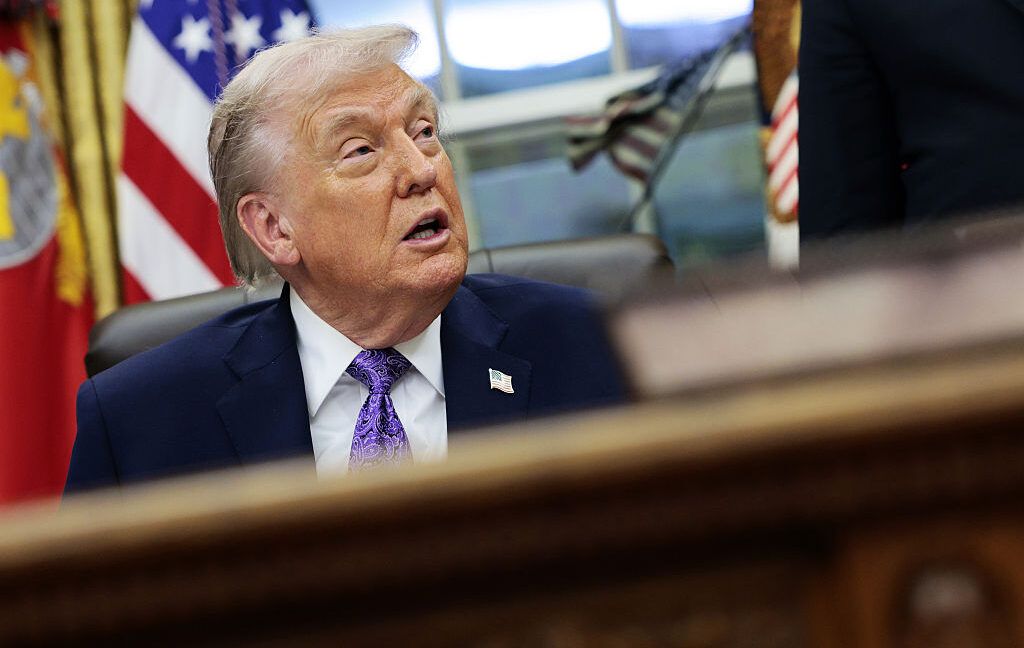
Imagine a scenario where the government decides which artificial intelligence models can be released to the public, but no one knows exactly how these decisions are made. This is precisely what is happening in the United States, where the Trump administration is facing a lawsuit to reveal the mysterious framework used to review the security of cutting-edge AI models before their release.
The nonprofit organization Protect Democracy is behind the lawsuit, claiming that almost no details about this process have been disclosed to the public or Congress. The lack of transparency raises questions about which companies are involved in building this framework and what the legal basis is for the reviews conducted. Furthermore, it appears that only a few "trusted partners" have access to this information.
The Opacity of the Process and Its Risks
The situation is concerning. According to Protect Democracy, decisions about which AI models are approved and released may be one of the most significant political issues in the White House. There are indications that at least one AI company, OpenAI, may have negotiated a private agreement with the government to limit the distribution of its cutting-edge models to government-approved partners.
The group is seeking a court order for all information to be disclosed by September 30. This includes unclassified details about the framework, terms of participation, and criteria for access to AI models. Additionally, they want to prevent unclassified records from being improperly withheld.
The detail is that, without oversight from Congress or technology experts, the government is deciding which companies can launch their products and which customers have access to a technology that could shape the future of the American industry, national security, and even economies and governments around the world.
The Issue of Transparency and the Role of Congress
The lack of transparency affects not only the public. Congress is also in the dark, which is problematic, as the Trump administration's AI security operation could become destabilized if Congress is not aligned. Currently, Congress is considering the renewal of the Cybersecurity Information Sharing Act (CISA) of 2015, which appears to be the only legal basis allowing AI companies to share information with the government through the GOLD EAGLE program.
Protect Democracy argues that, without access to these records, the Trump administration could evade accountability for AI security reviews. The concern is that the secret process could be used to coerce AI companies into political decisions, extort financial support, or even force the incorporation of politicized viewpoints into AI models.
What's at Stake?
The lack of clarity about what constitutes a "covered frontier model" is another point of tension. If the definition is too narrow, dangerous models may go unnoticed. If it is too broad, agencies may become overwhelmed, unable to adequately assess all models.
Transparency is key. Without it, the public can only hope that this powerful technology is being governed safely and in the public interest. Protect Democracy is committed to ensuring that the process is open and that all documents are publicly disclosed if they gain access to the framework.
Ultimately, the issue is not just about AI security, but about the integrity of the democratic process itself. And this is something we should all be vigilant about.
Comments (0)
Comments are moderated and if they violate our Terms and Conditions of use, the comment will be deleted. Persistence in violation will result in a ban of your account.