


Meta pauses AI program after data leak
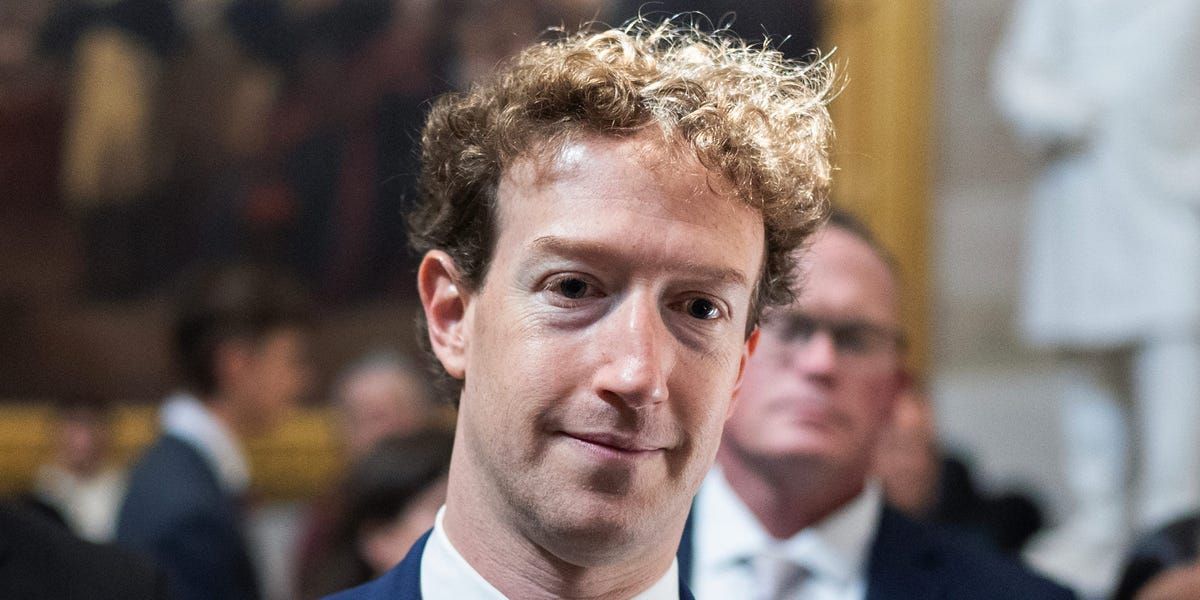
Meta decided to pause one of its internal artificial intelligence training programs. The reason? A data leak that left many employees worried. Imagine: private chats, performance data, and employee transcripts became accessible to the entire company. This was revealed by screenshots obtained by Business Insider. The situation was classified as a Level 2 incident on a scale where 0 is the most severe.
Meta confirmed the incident and is investigating the case. According to a spokesperson, the program was designed with privacy protections, but as a precaution, they decided to pause everything while they investigate. In April, the company announced the Model Capability Initiative, or MCI, which used employees' keystrokes and mouse movements as training data to improve its AI models. As expected, this generated discomfort among employees, who did not like the idea of having their data monitored.
The frustration inside Meta is palpable
Many employees are angry because the data was not protected from the start, as promised. One of them vented in an internal group, saying that even without evidence of malicious access, the fact that the data is not secure is extremely frustrating. And this is not the first security issue Meta has faced recently. Last month, a bug in its AI chatbot allowed several Instagram accounts to be hijacked. In March, an out-of-control AI agent caused a serious incident.
Meta is under pressure to ensure its AI systems are secure and respect employees' privacy. After all, nobody wants to work in a place where their personal information can be exposed at any moment. As the company tries to resolve these issues, the question remains: to what extent can technology invade privacy in the name of progress?
O dilema dos dados pessoais na IA
This episode raises an important discussion about the use of personal data to train AI models. Meta is not the only company facing ethical dilemmas in this field. Using sensitive data to improve technology is a double-edged sword. On one hand, it can lead to significant advances. On the other, it risks individuals' privacy and trust. And in Meta's case, the employees' reaction shows there is a limit to what is acceptable.
In the end, Meta needs to find a balance between innovation and privacy. The challenge is to ensure its AI programs are effective without compromising personal data security. Meanwhile, employees expect the company to learn from its mistakes and implement more robust measures to protect their information. The future of AI depends on how these issues are resolved. And, of course, how companies handle the responsibility that comes with the power of technology.
Comments (0)
Comments are moderated and if they violate our Terms and Conditions of use, the comment will be deleted. Persistence in violation will result in a ban of your account.