


Google Disables Earth AI After Misinformation Criticism
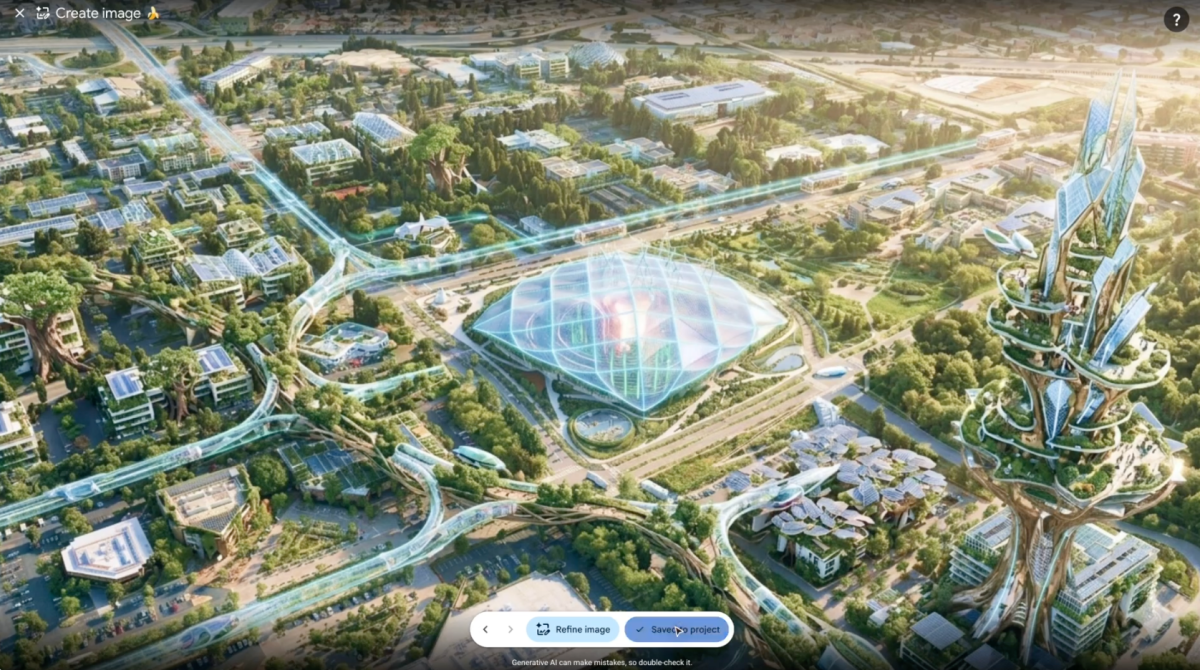
One day. That was the duration of Google Earth's new AI feature before it was disabled. The idea was innovative: allowing users to use the Nano Banana 2, an AI image generator, to create images within the mapping application. But the reception was not as Google had hoped. The proposal was to be creative with geography, but soon criticisms arose that the tool could become a source of misinformation.
The problem? The tool allowed any image to be overlaid on real maps, which, according to critics, could result in true geospatial chaos. A BBC journalist mocked the situation, highlighting that Google Earth, a reliable source for journalists and researchers, could be used to spread misinformation online. In light of this, Google quickly backtracked.
The company stated that many professionals were using the tool beneficially, but also noted that some generated images violated its policies. "We are reverting this functionality while we work on more robust safety measures," Google said in a statement.
The Ease of Manipulating Images in the Age of AI
The criticism of Google is understandable, but it is worth remembering that, in the age of artificial intelligence, any image on the web can be easily manipulated. It is no longer necessary to be a Photoshop expert to create almost credible misinformation. All it takes is access to an AI image generator, something that Google and other tech companies provide.
This situation raises important questions about the balance between innovation and responsibility. How far should tech companies go to prevent their creations from being misused? And how can we ensure that new tools do not become weapons of misinformation?
The Challenge of Innovating Responsibly
Google's decision to disable the Earth functionality is an example of how companies are navigating this delicate terrain. Innovating is essential, but it is necessary to be aware of the possible negative impacts. Technology advances rapidly, and the rules of the game are always changing.
In the end, the Google Earth episode reminds us that, despite the wonders that AI can provide, responsibility must come first. And, while companies work to find this balance, it is up to us, the users, to question and reflect on the use of these tools. After all, technology should serve to improve our lives, not complicate them.
Comments (0)
Comments are moderated and if they violate our Terms and Conditions of use, the comment will be deleted. Persistence in violation will result in a ban of your account.