


ChatGPT, Reddit, and Roblox Under New EU Scrutiny
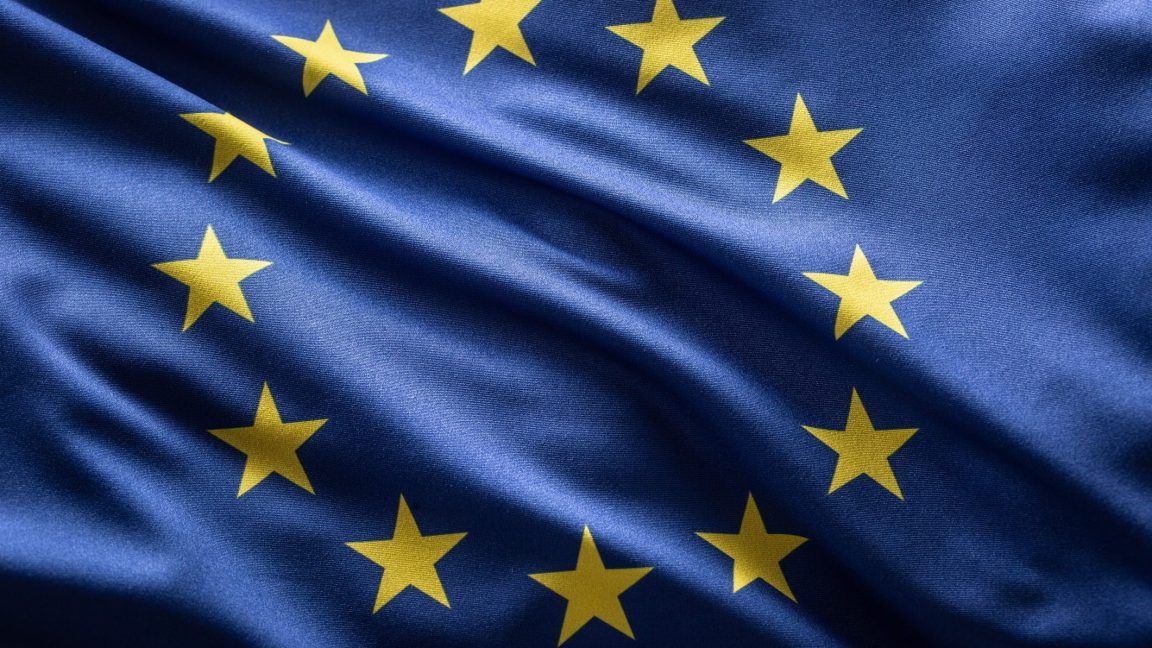
The European Union has decided to tighten its grip on giant digital platforms, including OpenAI's ChatGPT, Reddit, and Roblox. From now on, these platforms will have to follow stricter rules, such as removing illegal content, or face hefty fines. The European Commission announced that these companies will be classified as "very large online platforms" under the Digital Services Act (DSA), an online safety regime that is becoming increasingly comprehensive.
What does this mean in practice? Well, these platforms will have to deal with additional obligations, such as protecting the privacy and safety of minors. If they fail to comply, they could face fines of up to 6% of their global revenue. And that's no small change. The curious detail is that this expansion of the DSA now includes generative AI, with the Grok chatbot from X already under investigation.
Pressure and Deadlines
Henna Virkkunen, head of technology at the EU, highlighted that ChatGPT, Reddit, and Roblox will now be subjected to a higher standard of scrutiny and accountability, given their significant impact on society. The change comes after all three platforms surpassed the threshold of 45 million monthly users in the EU, reaching the threshold for stricter oversight. They have until the end of December to comply with the new requirements.
OpenAI has already stated that it is preparing to meet the new compliance demands. Meanwhile, Roblox expressed pride in being the first gaming platform to reach this milestone in the EU, reiterating its commitment to safety. Reddit, on the other hand, has yet to make a statement.
The Global Landscape and Tensions
In addition to the DSA, the EU is also beginning to enforce its AI Act, the first global regime to regulate the development of this rapidly evolving technology. And it doesn't stop there. Under its competition rules, the EU has initiated an investigation into AI services, including whether Google violated EU competition rules with its use of AI overviews.
This expansion of the DSA comes amid pressures from Washington, which accuses the EU of unfairly targeting American companies and infringing on free speech principles. But the European Commission insists that its digital laws apply to companies regardless of where they are based. An example of this was the €550 million fine imposed on China's AliExpress for not doing enough to prevent the sale of illegal products on its platform.
In practice, what we see is an EU determined not to let the rapid growth of technology slip through its fingers. And, in the meantime, companies need to adapt quickly to this new regulatory landscape. The impact of this is yet to come, but one thing is certain: the era of digital regulation is just beginning.
Comments (0)
Comments are moderated and if they violate our Terms and Conditions of use, the comment will be deleted. Persistence in violation will result in a ban of your account.