

ChatGPT now avoids imitating famous authors
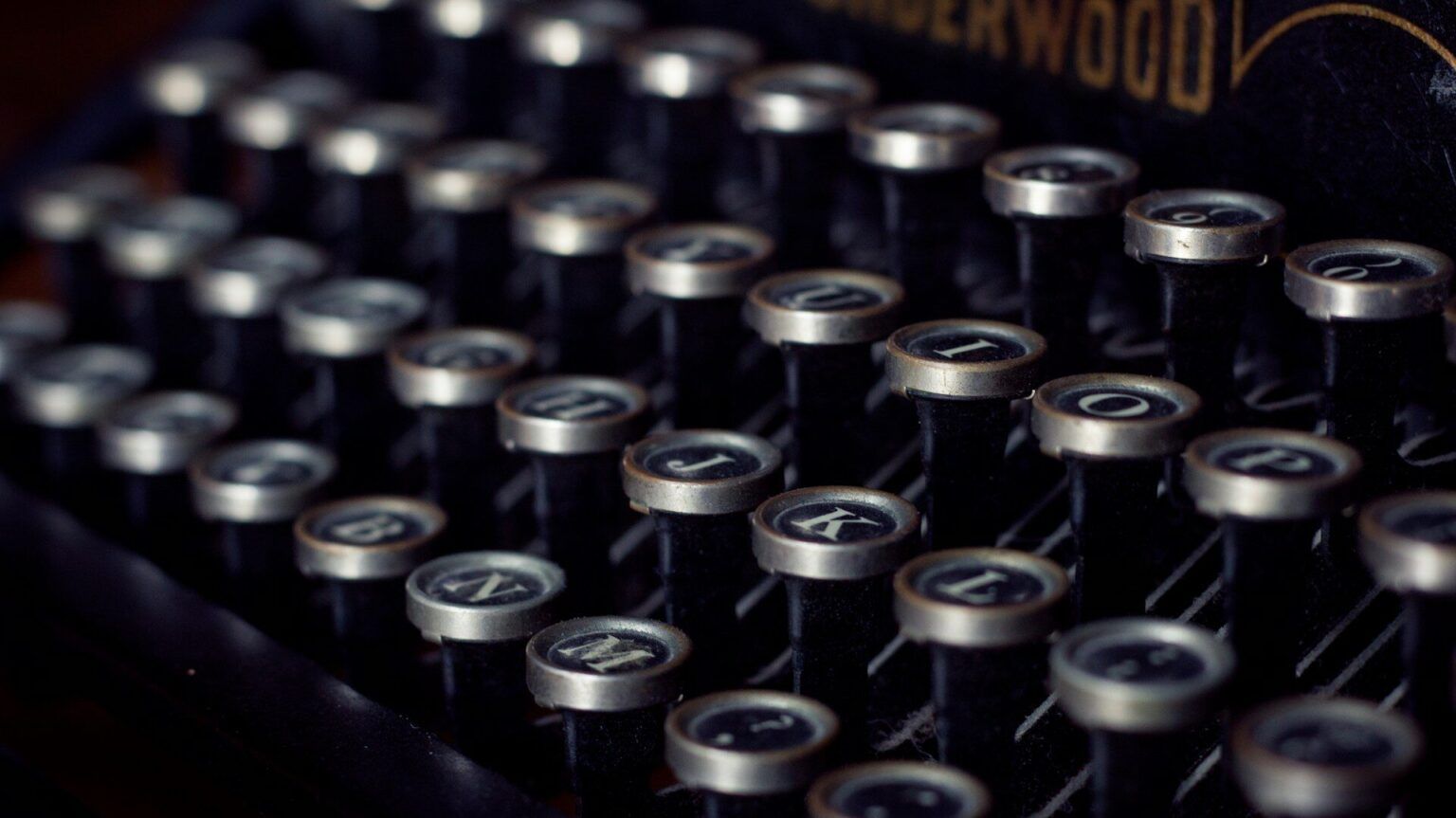
OpenAI's ChatGPT has decided to take a step back from imitating famous authors. Instead of faithfully replicating the style of living writers, the artificial intelligence now prefers to describe the distinctive traits of these works. This change comes amid criticism regarding AI's ability to reproduce materials protected by copyright. Users have noticed that ChatGPT has started to refuse prompts asking it to generate texts in the style of a famous author. Instead, it describes the author's characteristics but makes it clear that it is not authorized to imitate their voice.
Ars Technica recently tested this new approach by asking ChatGPT to write in the style of Stephen King. The response? The AI stated that it could create something with "atmospheric horror" and small-town characters, but refused to follow the exact style of the author. This raises an interesting question: why does ChatGPT avoid copying the styles of living authors? Although OpenAI has not commented, it is likely that the decision is a strategy to avoid lawsuits for copyright infringement. Several authors have already sued the company, claiming that the AI generates disturbingly similar texts to theirs.
American law only protects concrete textual expressions, but not writing styles. Nevertheless, current technology allows for quick and cheap imitation of individual styles. This could threaten lesser-known authors. Robert Brauneis, a law professor, believes this jeopardizes the financial viability of these writers' work. Meanwhile, other AIs like Gemini from Google and Claude from Anthropic do not seem to follow the same restrictions. Gemini shows no impediments to imitating styles, and Claude merely warns that it is an imitation.
Tests with these AIs, using prompts in Portuguese and English, showed that both can create texts imitating the requested style without any warning or blocking. This raises the question: is OpenAI being overly cautious or just realistic? The fact is that the discussion about copyright and artificial intelligence is far from over. The industry is still trying to find a balance between innovation and rights protection.
OpenAI's decision reflects complex times.
Comments (0)
Comments are moderated and if they violate our Terms and Conditions of use, the comment will be deleted. Persistence in violation will result in a ban of your account.