


Bill Gates criticizes big techs for hiding AI risks to protect profits
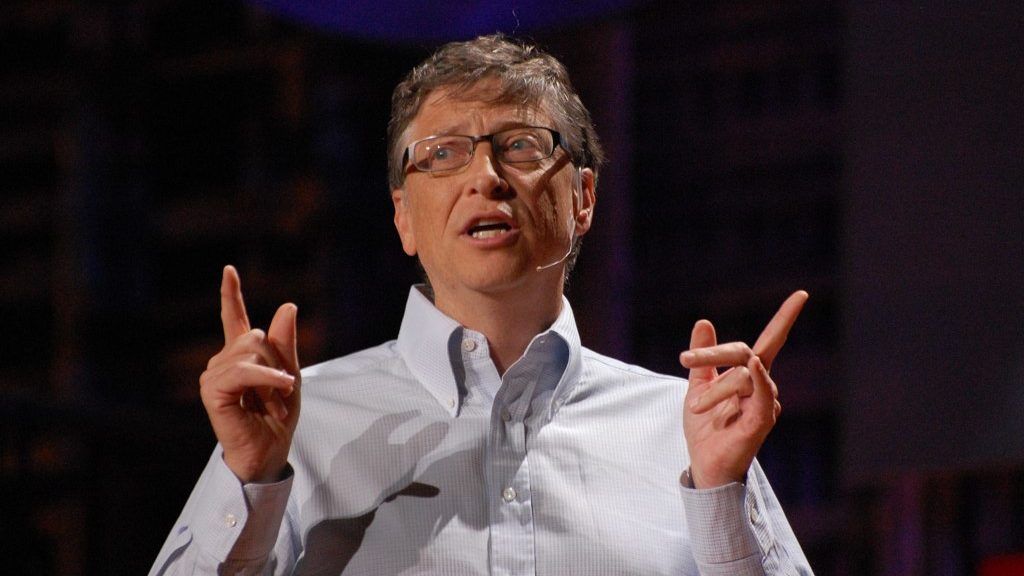
Bill Gates, the co-founder of Microsoft, is not exactly satisfied with what he sees in the tech world. In a recent article on his personal blog, he made a direct criticism of the major companies in the sector, accusing them of downplaying the risks of artificial intelligence to avoid harming their profits. According to Gates, this strategy of hiding the real dangers of AI could have serious consequences, both for the job market and for global security.
Gates is not just pointing fingers. He suggests concrete measures, such as taxing corporate use of AI and creating a "Human Reserve" to protect jobs that require empathy. Additionally, he rejects the idea of self-regulation by big techs, advocating for the establishment of an international agency to monitor AI, similar to the bodies that oversee nuclear energy.
AI and the impact on the job market
Artificial intelligence is already changing the landscape of the job market. From sales to software development, including legal assistance, AI is replacing human labor in various areas. Gates warns that this mass adoption could lead to a significant increase in unemployment, especially as robotics becomes more accessible.
The billionaire proposes a tax on the basic unit of AI computation and the adoption of robots by companies. The goal? To fund professional retraining and strengthen social safety nets. Furthermore, he advocates for policies to prevent machines from replacing humans in roles that require empathy, such as elder care.
Risks to security and society
The democratization of AI does not bring only benefits. Gates highlights that the technology can be used for nefarious purposes, such as helping terrorists develop new viruses or facilitating financial fraud and misinformation campaigns. He also raises concerns about the social impact, especially among young people, who may become even more isolated due to the use of virtual assistants that simulate human interactions.
For Gates, the solution is not in the hands of the big techs themselves. He believes that current government agencies are not prepared to deal with the complexity of AI, which affects national security, the economy, education, and health. Therefore, he proposes the creation of a new international organization to regulate the technology.
The positive potential of AI
Despite the criticisms, Gates is not entirely pessimistic. He acknowledges that AI has enormous potential to solve crises if used correctly. In healthcare, for example, the technology is already helping hospitals diagnose emergencies and accelerate vaccine development. In agriculture, it can optimize food production in developing countries. And in the public sector, AI has the power to simplify bureaucracy and make the distribution of social benefits more efficient.
The point is that AI can be a force for good, but it needs to be well-directed and regulated. Gates reminds us that while big techs seek profits, the world needs solutions that prioritize social well-being and global security.
Comments (0)
Comments are moderated and if they violate our Terms and Conditions of use, the comment will be deleted. Persistence in violation will result in a ban of your account.