


AI Companies are Devouring Old Books to Train Models
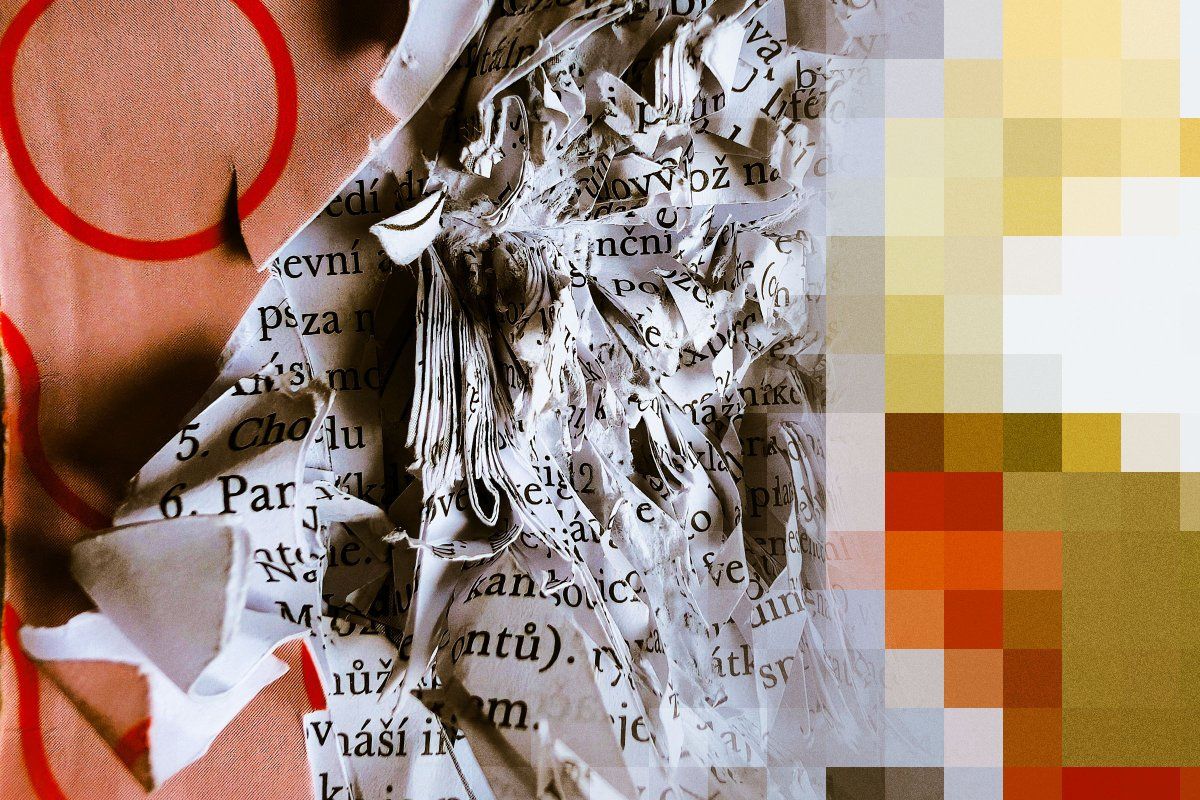
Imagine a world where old books are bought only to be destroyed. This is not science fiction, but a reality that some artificial intelligence companies are creating. They are acquiring rare books, digitizing their contents to train AI models, and then destroying them. It seems absurd, but it is a practice that is rapidly growing.
For those building language models, books are more than mere reading objects. They are like a banquet of data, ready to be devoured and transformed into digital knowledge. Some companies prefer to use digital books, even pirated ones, as was the case with Meta and Anthropic. But what is drawing attention is the search for physical books. Anthropic, for example, used machines to remove pages from old books and scan them, transforming physical texts into digital ones. This all relies on the doctrine of "first-sale," which allows the buyer to do whatever they want with the purchased product, as long as they do not redistribute it as new.
The practice is becoming so common that even traditional book sellers are getting in on the game. One example is ISBNdb, which boasts of having the largest database of books in the world. They claim that the best data for training AI is on the shelves, free from modern digital contaminations. Printed books before 2022 are considered pure, without the influences of current language models. ISBNdb now helps AI companies buy books in bulk, promising to keep purchases confidential to avoid negative headlines.
The Ethical Dilemma and Market Impact
For book sellers, this new demand is a mixed blessing and curse. One bookseller reported that their sales jumped from 20 books a week to hundreds, suspecting that their customers are AI labs. They are happy with the sales but concerned about the fate of rare books that may be destroyed. The ethical question is undeniable: while some see a financial opportunity, others mourn the potential loss of irreplaceable works.
The phenomenon is not limited to one country. Booksellers in the Netherlands are also seeing an increase in bulk purchases, although they cannot confirm if they are for AI companies. Services like ISBNdb facilitate these purchases, maintaining buyer anonymity. The market for old books is on alert, but often can only speculate about the final fate of the sold works.
The Cultural Clash Between Old and New
What we are witnessing is a clash between the old and the new. Books that have survived for decades are now being shredded to feed the next generation of artificial intelligence. The practice raises questions about the value of culture and physical knowledge in an increasingly digital world. Are we sacrificing the past in the name of progress?
In the end, the question remains: how far are we willing to go to feed the insatiable hunger of machines for data? As AI companies continue to seek new ways to train their models, the fate of old books remains uncertain. What is certain is that this practice is just beginning, and its implications are yet to come.
Comments (0)
Comments are moderated and if they violate our Terms and Conditions of use, the comment will be deleted. Persistence in violation will result in a ban of your account.