


Tidal and the War Against AI-Generated Music
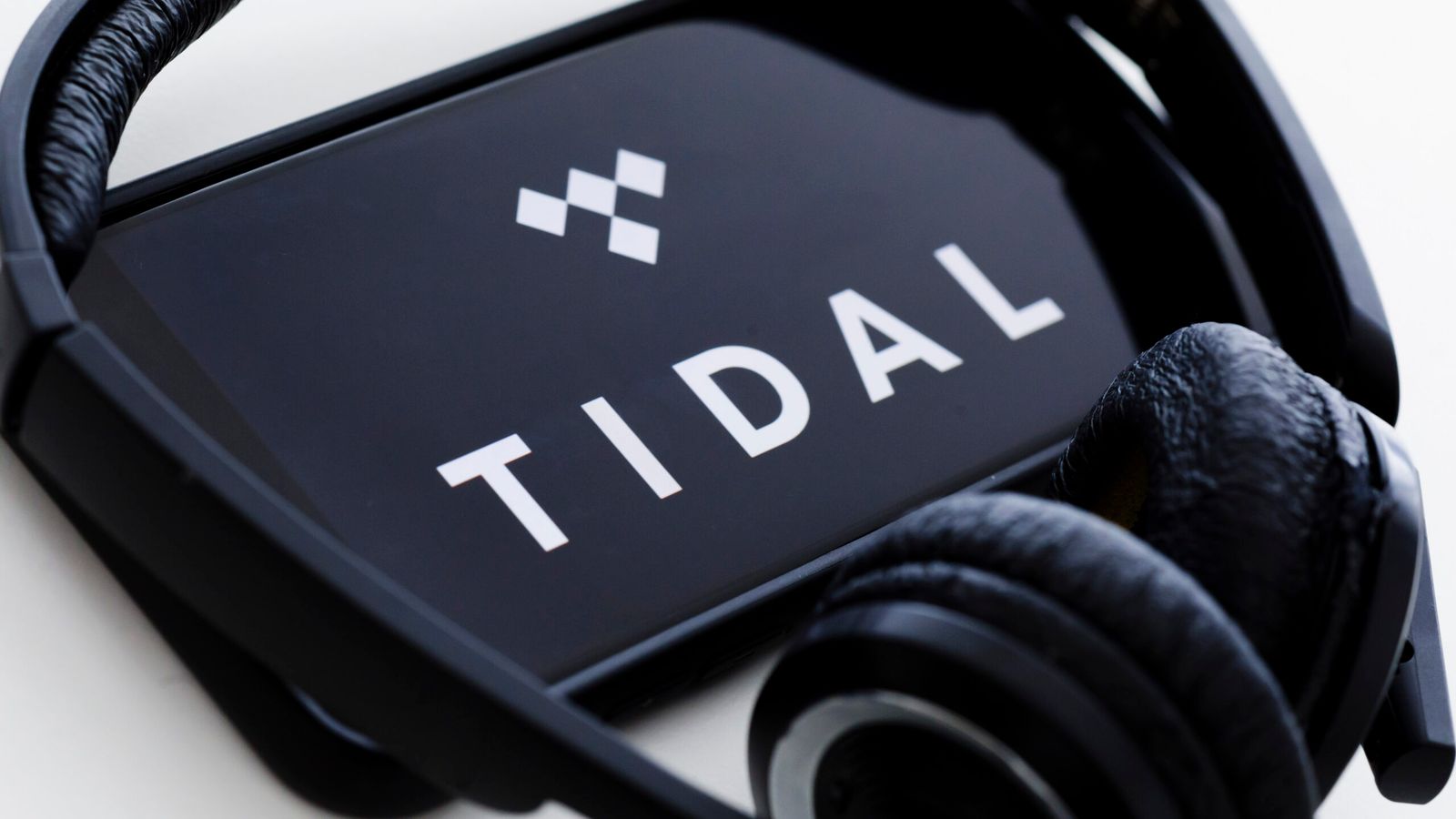
Tidal, the well-known music streaming platform, has decided to take a bold step in the battle against music generated by artificial intelligence. While many streaming services have opted to label this type of content, Tidal has chosen to ban it completely. The decision comes after realizing that the presence of AI-created music was harming human artists.
The Rise of AI Music
In recent months, Tidal has observed a significant increase in the number of AI-generated tracks on its platform. In November, 60% of new uploads were songs created entirely by machines. This led the company to decide to remove 27 million AI-generated tracks, which represent 6.3% of Tidal's total catalog. Interestingly, 96% of these tracks had not received any plays in the last 90 days, suggesting that the impact of this removal will be minimal for users.
Tidal's initial policy, launched in July 2026, included labeling and demonetizing AI-created music. However, this was not enough to contain what the company called a "tide of low-quality content." The decision to completely ban these songs aims to protect human artists from losing royalties to algorithms that quickly generate random sounds.
Challenges in Detecting AI Music
Tidal faces a significant technical challenge: how to effectively identify AI-generated music? The company has not yet detailed its detection method, but it is likely to rely on watermarking technologies. Most of the AI music on Tidal comes from a company called Suno, which has implemented tagging on its tracks. Additionally, Tidal mentions the use of Google Lyria's SynthID labels, which are embedded in the waveform of the songs.
Despite these measures, complete detection of AI-generated music is a complex task. There are open models for music generation that can be run locally, and some cloud providers do not bother to watermark their outputs. The fight against AI-generated music is a cat-and-mouse game, with new models constantly emerging to challenge detection systems.
The Impact on the Streaming Market
With Tidal's decision, creators of AI music will have to seek other platforms to host their tracks. Spotify, YouTube Music, Deezer, and Apple Music still allow AI-generated music, as long as it is labeled. Spotify, for example, has already removed millions of AI tracks based on user feedback, but did not specify the amount of content eliminated.
Tidal's decision highlights an important issue in the digital music world: the protection of rights and earnings for human artists in an increasingly technology-dominated landscape. While AI-generated music may have its place, Tidal believes that artistic integrity must be preserved.
Tidal's measure may not solve all the problems associated with AI-generated music, but it is a significant step in the attempt to balance technological innovation with the protection of human creators. Meanwhile, the music industry continues to navigate this new territory, where human creativity and artificial intelligence coexist in increasingly complex ways.
Comments (0)
Comments are moderated and if they violate our Terms and Conditions of use, the comment will be deleted. Persistence in violation will result in a ban of your account.