



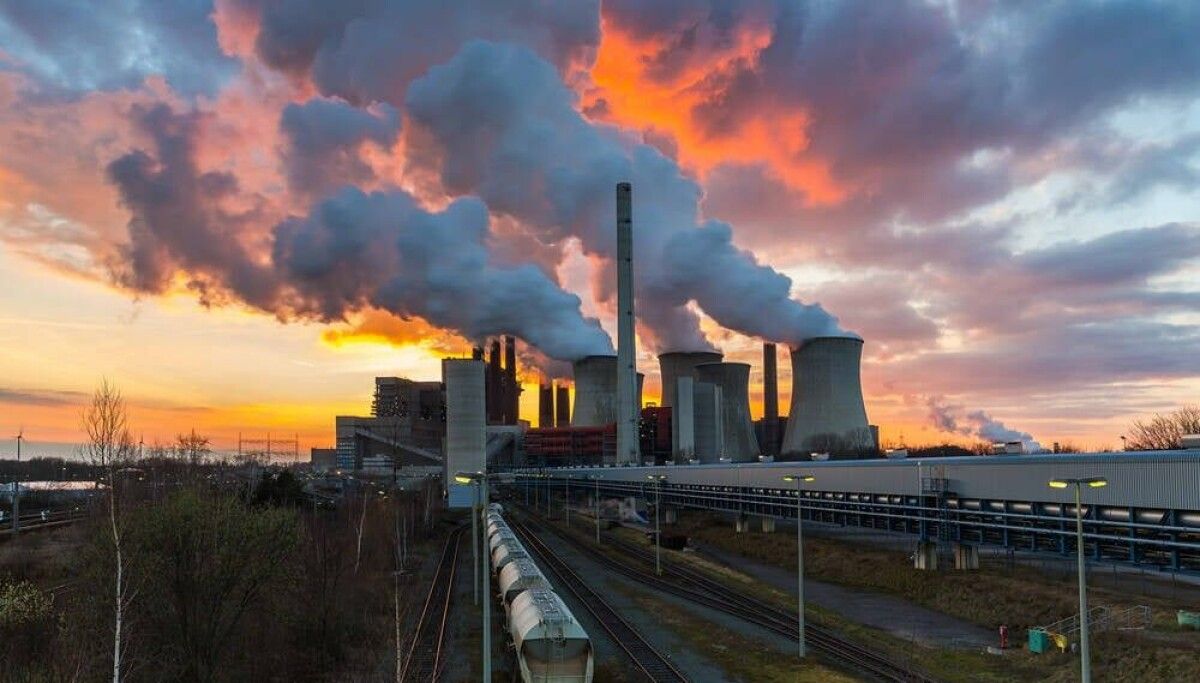
AI-powered datacenters increase Microsoft's emissions
Microsoft is facing a curious dilemma. While striving to align its operations with sustainable practices, the construction of AI-powered datacenters has caused its greenhouse gas emissions to rise by 25% in just one year. The company released its 2026 Environmental Sustainability Report, stating that rapid technological change is taking its sustainability work to a new phase. The global adoption of AI is transforming economies and becoming essential for the development and use of technology.
But, of course, the infrastructure needed to support AI is increasing the demand for energy, water, land, and materials. Microsoft's president, Brad Smith, and sustainability director, Melanie Nakagawa, assert that AI can bring broad benefits to society, the economy, and the environment. They see this as a mandate to lead differently, not as a reason to retreat.
The challenge of emissions and the 2030 goal
In 2020, Microsoft set the goal of becoming "carbon negative" by 2030. However, its own estimates show that emissions rose from 13 million tons of CO2 equivalent in 2020 to 20 million in 2025. Without the carbon reduction initiatives already implemented, emissions could have reached 34 million tons. The increase in emissions is primarily linked to the expansion of datacenter infrastructure. Microsoft also decided to stop purchasing non-additional and unbundled renewable energy certificates, which contributed to the rise in emissions.
The report highlights that Scope 3 emissions are still the largest part of Microsoft's carbon footprint, but Scope 2, related to purchased power generation, is growing. In 2025, these emissions represented 13% of the total, a significant jump from 2% in 2024. This underscores the importance of energy systems in defining environmental outcomes and why advancing towards carbon-free energy sources is crucial for long-term progress.
Water, circularity, and innovation
Another hot topic is water consumption. Microsoft is focused on cooling systems, improving water use efficiency, and reducing reliance on municipal sources. The company claims that its facilities have achieved a 25% reduction in water use efficiency since the 2022 baseline. In 2025, the total global water withdrawal was 13.266 billion liters, with a total consumption of 8.170 billion liters. For the first time, Microsoft claims to have replenished more water than it withdrew, returning 14.278 billion liters.
Additionally, Microsoft's Circular Centers program reused 92% of decommissioned servers and their components. The company also experimented with concrete mixes with lower embedded carbon and facilities made of wood, which have an estimated carbon footprint 65% lower.
Microsoft is at a crossroads: it wants to lead the advancement of AI but needs to balance this ambition with its environmental goals. The question remains: will it be able to achieve its goal of being carbon negative by 2030? Meanwhile, the pressure to innovate sustainably is only growing.
Comments (0)
Comments are moderated and if they violate our Terms and Conditions of use, the comment will be deleted. Persistence in violation will result in a ban of your account.