



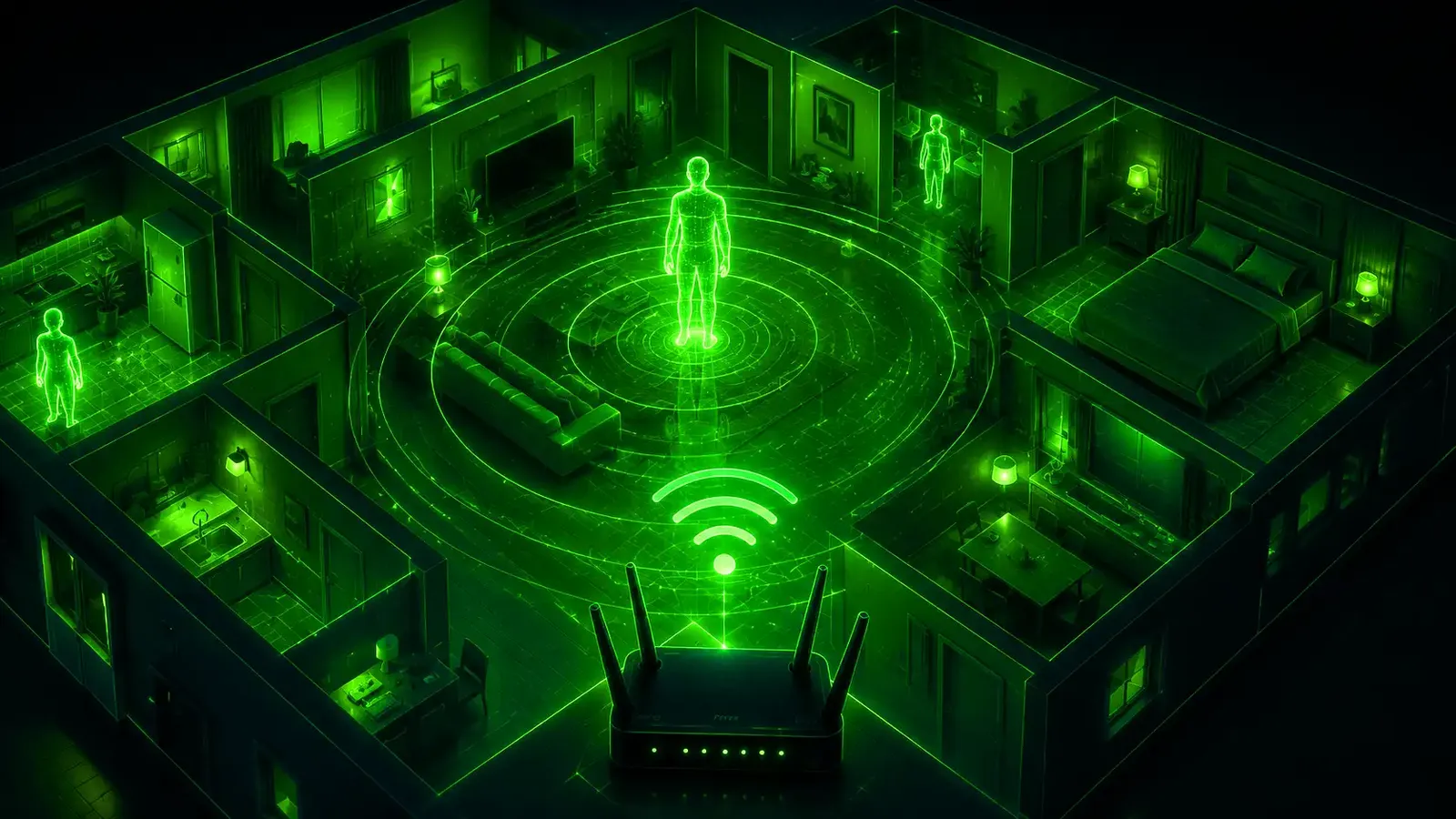
A radar that uses Wi-Fi instead of cameras
At first glance, RuView looks like a computer vision project. In practice, however, it works in a completely different way. Instead of capturing images, the system analyzes information extracted from Wi-Fi signals to detect the presence of people and estimate their position within an environment.
The project relies on Channel State Information (CSI), a technique that measures how radio waves change as they interact with objects in their path. Since the human body naturally alters these signals, it becomes possible to collect detailed environmental data without relying on cameras.
That is where artificial intelligence comes into play.
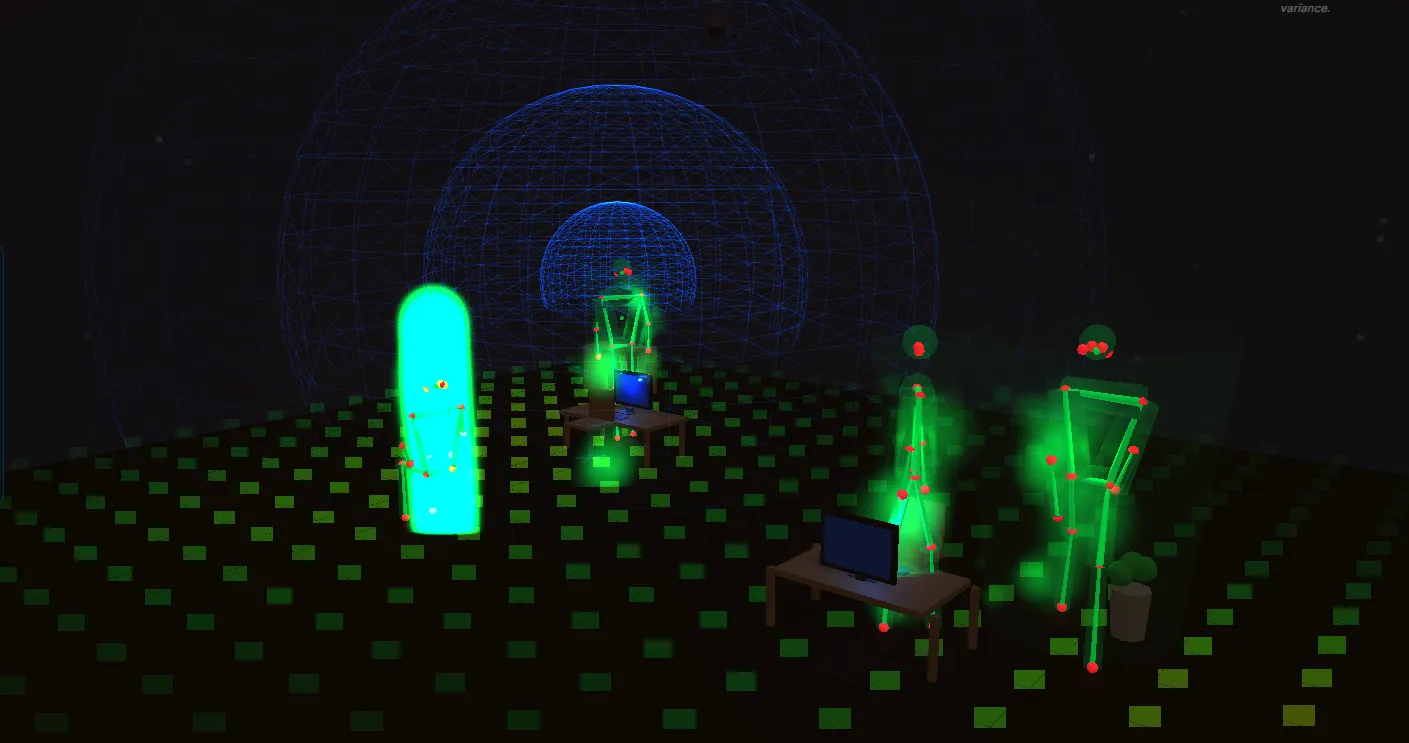
The raw CSI data is far too complex for humans to interpret directly. AI models analyze these signal variations, recognize patterns, and transform them into a representation of the scene, estimating where a person is located and even predicting their body posture.
The idea didn't start with RuView
Although the project has only recently gone viral, the underlying concept is not new. Researchers have spent years exploring how radio signals can be used to detect movement, monitor indoor environments, and even measure health indicators without physical contact.
RuView's main contribution is bringing these research concepts together into an open-source project, demonstrating that compatible hardware combined with AI models could potentially transform affordable Wi-Fi equipment into an environmental sensing system.
The repository quickly accumulated thousands of GitHub stars and became widely shared as an example of how artificial intelligence is expanding beyond traditional text and image applications.
Excitement quickly turned into skepticism
As the project's popularity grew, developers began examining the source code to determine whether the published demonstrations could be reproduced.
Several independent audits argue that important parts of the processing pipeline are either incomplete or depend on components that are not currently available in the public repository. The project's creator disputes those claims, arguing that many unsuccessful tests were performed using incompatible hardware and that RuView requires devices capable of properly capturing CSI data.
Regardless of who is ultimately correct, the discussion highlights an important trend. Artificial intelligence is beginning to interpret far more than text and images. Radio waves, sensors, and other physical signals may become the next frontier for AI systems capable of understanding the world without relying on conventional cameras.
Comments (0)
Comments are moderated and if they violate our Terms and Conditions of use, the comment will be deleted. Persistence in violation will result in a ban of your account.