


AI revolutionizes wildfire prediction
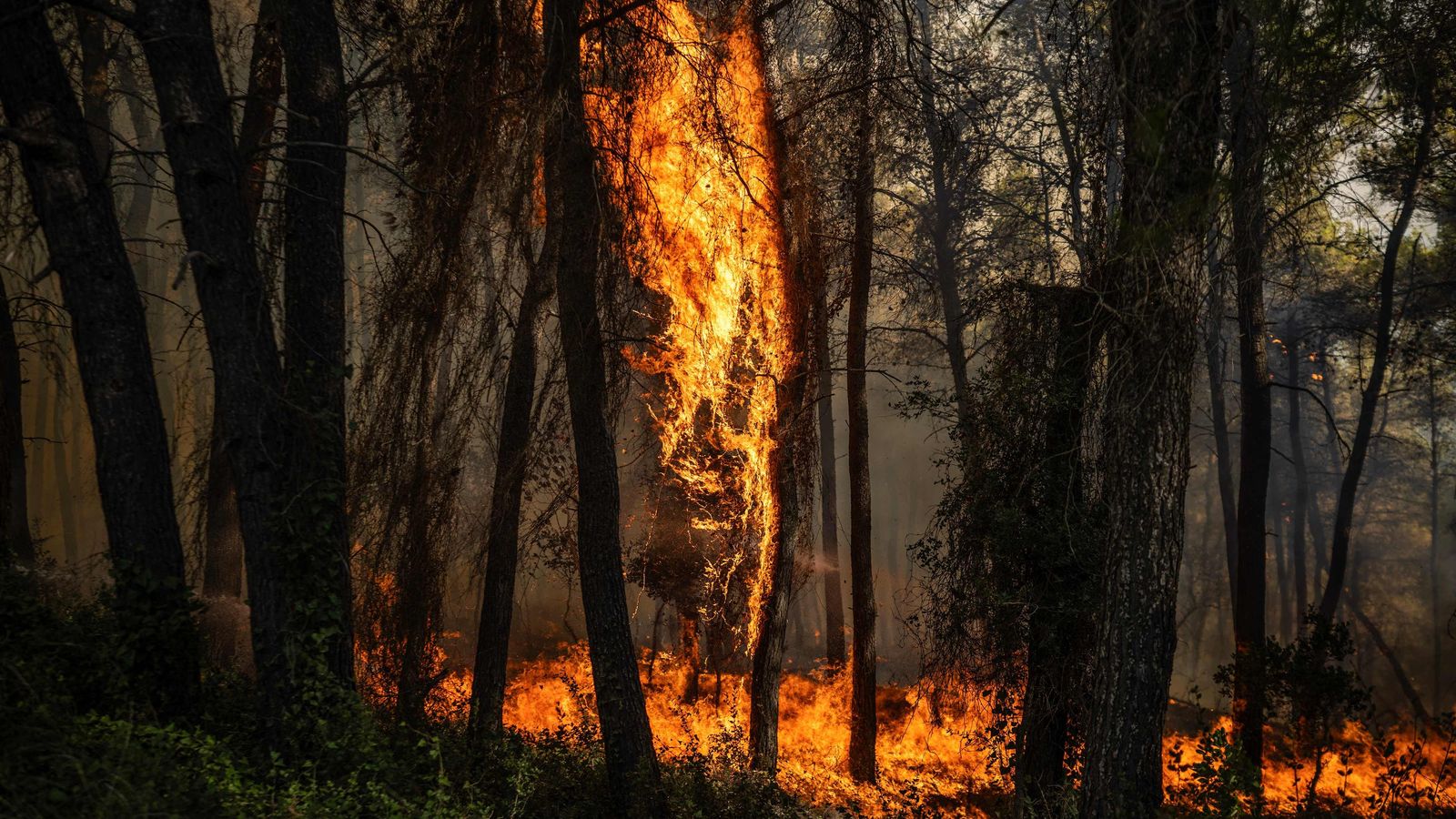
Imagine having the ability to predict a wildfire more than two weeks in advance. It sounds like something out of a movie, but this is exactly what researchers from the University of León in Spain have achieved. They developed an artificial intelligence tool capable of predicting, up to 16 days in advance, the risk of wildfires reaching the tree canopies. And why is this so important? Because when fire reaches the canopies, it can spread up to four times faster, turning an already dangerous situation into a true nightmare for firefighting teams.
The platform, called CROWNFIRE-AI, is a powerful combination of artificial intelligence, satellite imagery, weather forecasts, and data on vegetation and terrain. The goal is simple yet crucial: to enable authorities and prevention teams to identify in advance the areas at highest risk of canopy fires and direct resources to those locations. This can mean the difference between a controlled fire and an environmental catastrophe.
The science behind the innovation
The study was led by José Manuel Fernández Guisuraga from the University of León, in collaboration with experts from other institutions and the technology company Vexiza SL. The results, published in the journal "Ecological Informatics," show that the technology is not just a promising idea but a practical reality.
To create CROWNFIRE-AI, scientists analyzed 33 major wildfires that occurred in Spain between 2017 and 2024. From these events, they built a database with 18,874 reference points, which served to train the algorithm. The system uses images from the Sentinel-1 and Sentinel-2 satellites of the European Space Agency, data from the MODIS system of NASA, and weather forecasts from the Global Forecast System. With this, it calculates the probability of a fire behaving like a canopy fire in a given region.
The interesting detail is that CROWNFIRE-AI transforms complex remote sensing and machine learning techniques into accessible maps. This means that even those without advanced programming or geospatial analysis knowledge can use the tool. It is cutting-edge technology within everyone's reach.
The urgency of new strategies
Canopy fires are a growing problem. They occur when fire stops advancing only through the vegetation close to the ground and reaches the upper parts of trees. This type of fire is associated with extreme conditions and is notoriously difficult to control. According to researchers, such episodes have been becoming more frequent in various parts of the world. Climate change, heatwaves, prolonged droughts, and the abandonment of rural areas are some of the factors contributing to this increase.
CROWNFIRE-AI is not just a prediction tool. It is a response to the urgent need for new strategies to deal with wildfires in an increasingly hot and dry world. The ability to predict where and when these fires may occur gives authorities a crucial advantage in protecting lives, property, and ecosystems.
The creation of CROWNFIRE-AI is a significant step in the fight against wildfires. But, like all technology, it needs to be adopted and integrated into existing risk management practices to truly make a difference. The challenge now is to ensure that governments and firefighting organizations adopt this innovation and use it effectively.
In the end, CROWNFIRE-AI is not just about predicting fires. It is about using artificial intelligence to create a future where we can respond more effectively to environmental threats. And this is something we all should support. After all, prevention is always better than cure.
Comments (0)
Comments are moderated and if they violate our Terms and Conditions of use, the comment will be deleted. Persistence in violation will result in a ban of your account.